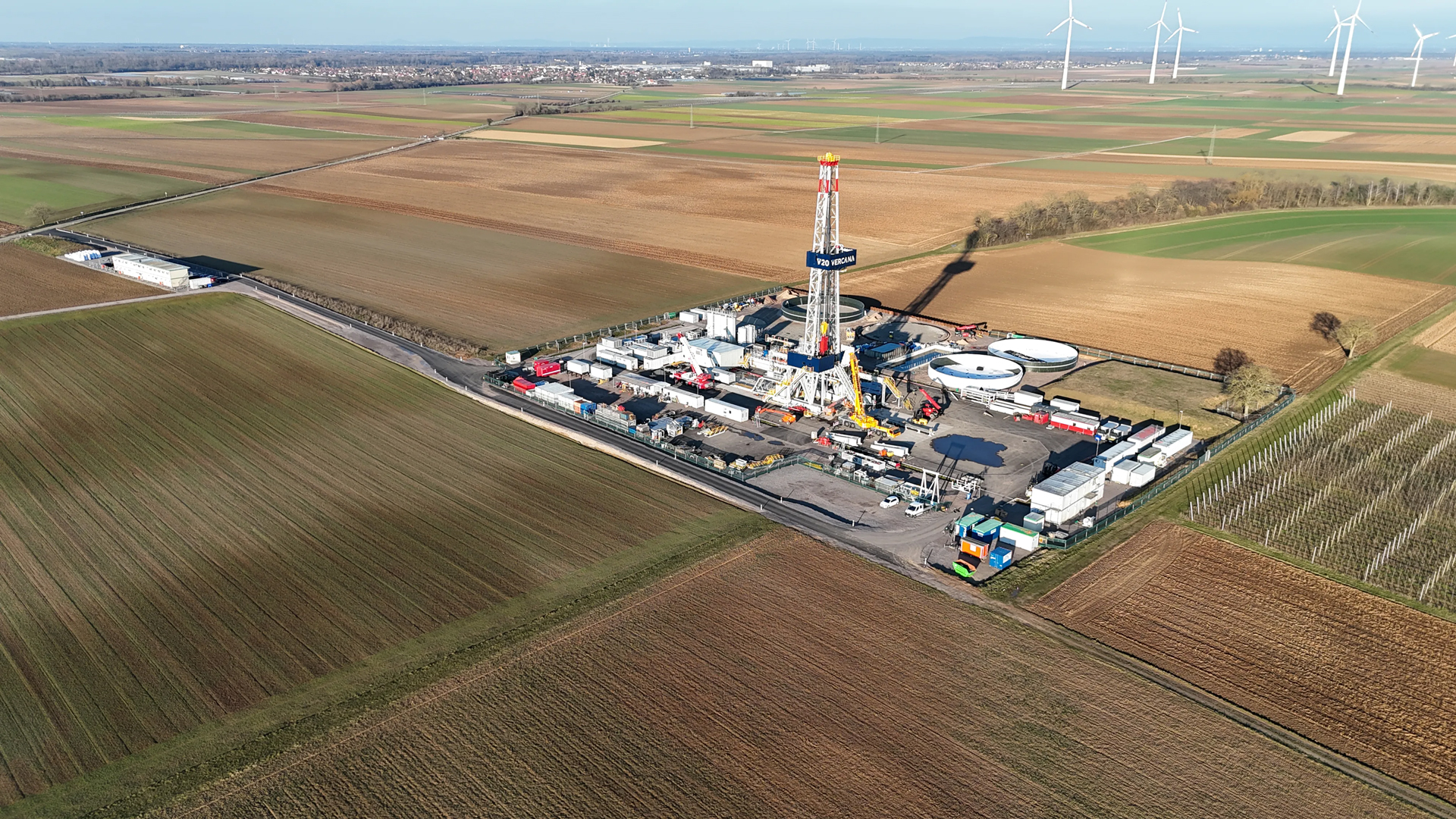
The energy landscape continues its dynamic evolution, presenting both established players and agile newcomers with opportunities for strategic pivots. A compelling illustration of this trend emerges with Odfjell Technology’s recent two-year contract with Vercana GmbH, a drilling subsidiary of Vulcan Group. This partnership underscores a significant move for Odfjell, leveraging its core tubular running services (TRS) and drilling tool rental expertise into the rapidly expanding geothermal sector in Germany. For investors, this signals a broader industry trend where traditional oil and gas capabilities are being redeployed to support critical mineral extraction and renewable energy initiatives, offering a diversified growth vector amidst fluctuating crude markets.
Strategic Redirection: Odfjell’s Entry into Geothermal Lithium
Odfjell Technology’s engagement with Vercana for the Vulcan Group’s Phase One Lionheart Project near Landau in Germany’s Upper Rhine Valley is more than just a new contract; it represents a deliberate strategic expansion into green technology. The project’s dual objective — sustainable lithium production coupled with harnessed geothermal energy — positions it at the nexus of the energy transition. Germany’s geothermal market is projected for robust expansion, with an anticipated annual growth rate of 1.95% from 2025 to 2029, driven by the nation’s ambitious renewable energy targets. For Odfjell, this contract, which commenced in May 2025 and is serviced by their Netherlands hub, provides a tangible pathway to diversify revenue streams beyond conventional hydrocarbon drilling. It allows the company to apply its well-established drilling and well services proficiency to a sector critical for future energy security and electrification, particularly given the surging global demand for lithium in battery technologies.
Navigating Volatility: Market Context for Energy Transition Investments
The backdrop against which such strategic moves are made is one of persistent market volatility in the traditional energy sector. As of today, Brent crude trades at $98.01, reflecting a 1.39% decline from its opening, with its daily range spanning $94.42 to $99.84. WTI crude similarly saw a drop of 1.67%, settling at $89.65 within a range of $87.32 to $91.82. This immediate downturn follows a more significant correction over the past two weeks, where Brent crude shed $13.43, or 12.4%, falling from $108.01 on March 26th to $94.58 by April 15th. Such price fluctuations highlight the inherent risks and unpredictable nature of the hydrocarbon market. For oil and gas service providers like Odfjell Technology, investing in sectors like geothermal energy provides a crucial hedge. It mitigates direct exposure to crude price swings while capitalizing on a different, yet equally vital, facet of the global energy demand — the push for sustainable resources and critical minerals.
Investor Insights: Beyond the Barrel Price
Our proprietary reader intent data reveals a growing sophistication among investors, moving beyond simple commodity price tracking to seeking deeper insights into market fundamentals and strategic shifts. Frequent inquiries this week include “What are OPEC+ current production quotas?” and “What is the current Brent crude price and what model powers this response?”, indicating a strong desire for transparency and understanding of underlying market mechanics. Moreover, questions like “Why should I use EnerGPT?” point to an appetite for advanced analytical tools to navigate complex energy markets. This trend suggests investors are actively seeking opportunities that offer stability and long-term growth potential, distinct from the daily gyrations of crude oil. Odfjell’s geothermal venture directly addresses this by offering exposure to a sector driven by structural demand for renewable energy and critical minerals, rather than solely by geopolitical events or short-term supply-demand imbalances in the oil market. It allows investors to back companies that are strategically positioning themselves for the next phase of energy evolution, leveraging their established operational strengths.
Forward Outlook: Upcoming Catalysts and Diversification Strategies
The immediate calendar is replete with events that will shape the traditional oil and gas market, demanding vigilant attention from investors. The OPEC+ Joint Ministerial Monitoring Committee (JMMC) meeting on April 18th, followed by the Full Ministerial meeting on April 20th, will be critical in signaling future supply policies and production quotas, directly impacting crude price trajectories. Further insights into operational activity and demand will come from the Baker Hughes Rig Count reports on April 17th and April 24th, alongside the API and EIA Weekly Crude Inventory reports scheduled for April 21st/22nd and April 28th/29th. While these events primarily influence the hydrocarbon sector, they underscore the strategic imperative for companies to diversify. For investors, the Odfjell-Vercana partnership exemplifies how oil and gas expertise can be a valuable asset in the broader energy transition. By securing contracts in high-growth, sustainability-driven sectors, companies like Odfjell are not only contributing to global decarbonization efforts but also building more resilient and diversified business models that can thrive irrespective of short-term volatility in the traditional energy complex.