The Ultra-Power Battery Surge: Implications for Energy Investors
In the dynamic landscape of global energy, the relentless pursuit of superior performance often signals profound shifts. The recent strategic alliance between OCSiAl, a vanguard in single-wall carbon nanotubes, and Molicel, a leading innovator in high-performance lithium-ion battery cells, underscores a pivotal moment for the ultra-high-power cell market. This long-term partnership is not merely about incremental improvements; it’s about redefining the capabilities of energy storage, promising batteries with enhanced efficiency, rapid charging, and significantly extended cycle life. For investors navigating the complexities of an evolving energy sector, this collaboration represents a critical development that demands attention, especially as the industry grapples with both immediate market volatility and long-term technological transformation.
Next-Generation Power Cells: A Disruptive Force in Energy Storage
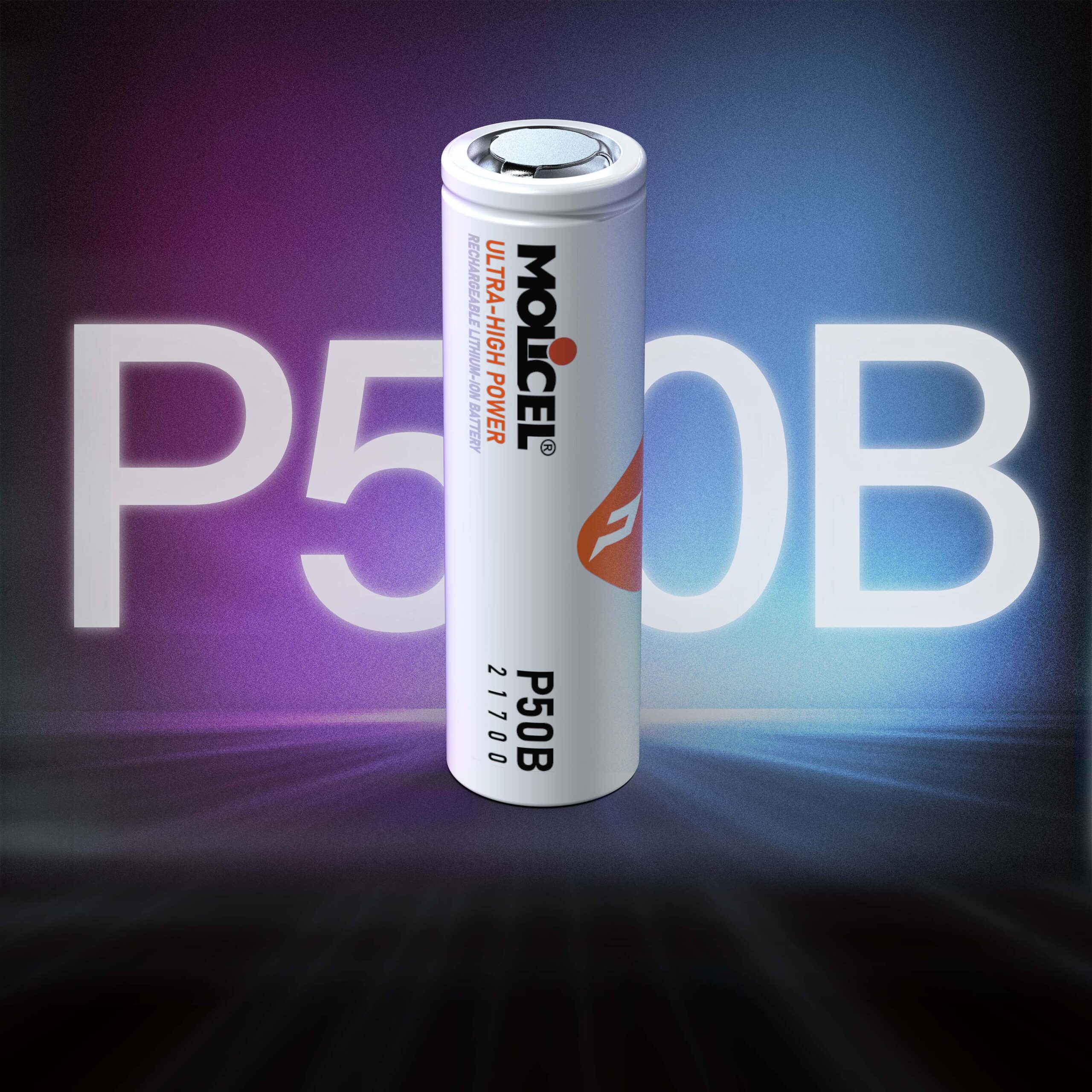
The core of the OCSiAl and Molicel partnership lies in the integration of OCSiAl’s single-wall carbon nanotubes into Molicel’s advanced battery architecture. This synergy has already yielded remarkable results, exemplified by the INR-21700-P50B power cell. Boasting an ultra-high energy density of 260 Wh/kg and an impressive peak power of 413 W at 45°C, coupled with 5C ultrafast charging capabilities, this cell sets a new benchmark for performance. Its applications are squarely aimed at the premium segment: hyper EVs, racing sports cars, eVTOLs, racing motorcycles, and heavy-lift drones. Beyond these immediate applications, the research focus on three-dimensional conductive networks, resilient framework electrodes, and Si-dominated anodes suggests a roadmap for even greater leaps in energy storage. This technological leap, delivering a doubling of battery cycle life to 1,400 cycles at 100 W discharge, fundamentally alters the total cost of ownership and operational efficiency for high-demand electric platforms, signaling a significant accelerant to electrification trends across various industries that traditionally relied on fossil fuels for their power demands.
Navigating Crude Volatility Amidst the Energy Transition
While the battery sector charges ahead, traditional energy markets continue to present a complex picture for investors. As of today, Brent crude trades at $95.16, experiencing a modest gain of 0.39% for the day. However, a broader perspective reveals a more sobering trend: Brent has shed nearly 9% over the past month, retreating from $102.22 on March 25th to $93.22 just yesterday. This recent downturn, despite geopolitical tensions and supply uncertainties, underscores the inherent volatility in the crude market. West Texas Intermediate (WTI) crude similarly reflects market jitters, currently at $91.04. This environment of fluctuating commodity prices and uncertain demand outlooks compels astute investors to consider diversified strategies. The advancement in ultra-high-power battery technology, while seemingly distinct, is an integral part of this broader energy market evolution, influencing long-term demand forecasts for liquid fuels and highlighting the increasing capital allocation towards alternative energy solutions. Such technological leaps, even in specialized niches, act as significant long-term headwinds for sustained oil demand growth, prompting investors to re-evaluate their portfolio exposure and seek opportunities in the energy transition.
Upcoming Catalysts and Investor Outlook for the Quarter
Looking ahead, the next few weeks are laden with critical events that will undeniably shape the short-term trajectory of the oil markets and influence investor sentiment. Our proprietary market analysis indicates that many investors are currently asking for a base-case Brent price forecast for the next quarter, signaling a desire for clarity amidst the volatility. Key among these upcoming events are the OPEC+ meetings, with the Joint Ministerial Monitoring Committee (JMMC) scheduled for April 18th, followed by the Full Ministerial meeting on April 20th. Decisions from these gatherings regarding production quotas and supply management will be instrumental in setting the tone for crude prices through Q2. Alongside OPEC+ deliberations, the market will closely monitor the API Weekly Crude Inventory reports on April 21st and April 28th, as well as the EIA Weekly Petroleum Status Reports on April 22nd and April 29th. These inventory figures provide crucial insights into immediate supply-demand balances within the U.S., a major consumption hub. While these events dictate near-term oil price movements, the underlying structural shift towards advanced electrification, bolstered by partnerships like OCSiAl and Molicel, continues to exert a long-term influence on energy demand and investor strategies. A nuanced understanding of both these immediate catalysts and the accelerating pace of energy innovation is paramount for constructing a resilient investment thesis for the remainder of 2026.
Building Resilience: Supply Chains and Strategic Expansion
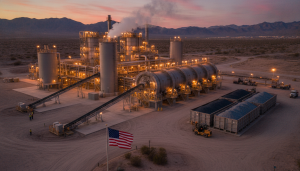
The long-term viability of advanced battery technologies hinges not just on breakthroughs in the lab, but also on the establishment of robust, sustainable global supply networks. OCSiAl’s commitment to this principle, evidenced by the launch of its nanotube synthesis and dispersion facility in Europe last year and ongoing investments in production expansion across key markets, is a critical factor for investors. This strategic foresight ensures that the rapidly growing demand for high-performance batteries can be met efficiently and reliably. For oil and gas investors, this emphasis on supply chain resilience in the battery sector serves as a powerful reminder of the broader energy independence and security narratives at play. Investment opportunities are not confined to the cell manufacturers themselves; they extend to the upstream raw material extraction, processing, and the manufacturing infrastructure that underpins this new energy economy. Companies that can secure and scale their supply chains for critical battery components, from lithium and nickel to advanced carbon materials, will be vital enablers of the energy transition, offering compelling growth avenues for diversified energy portfolios.