OBBBA Clouds US Energy Outlook
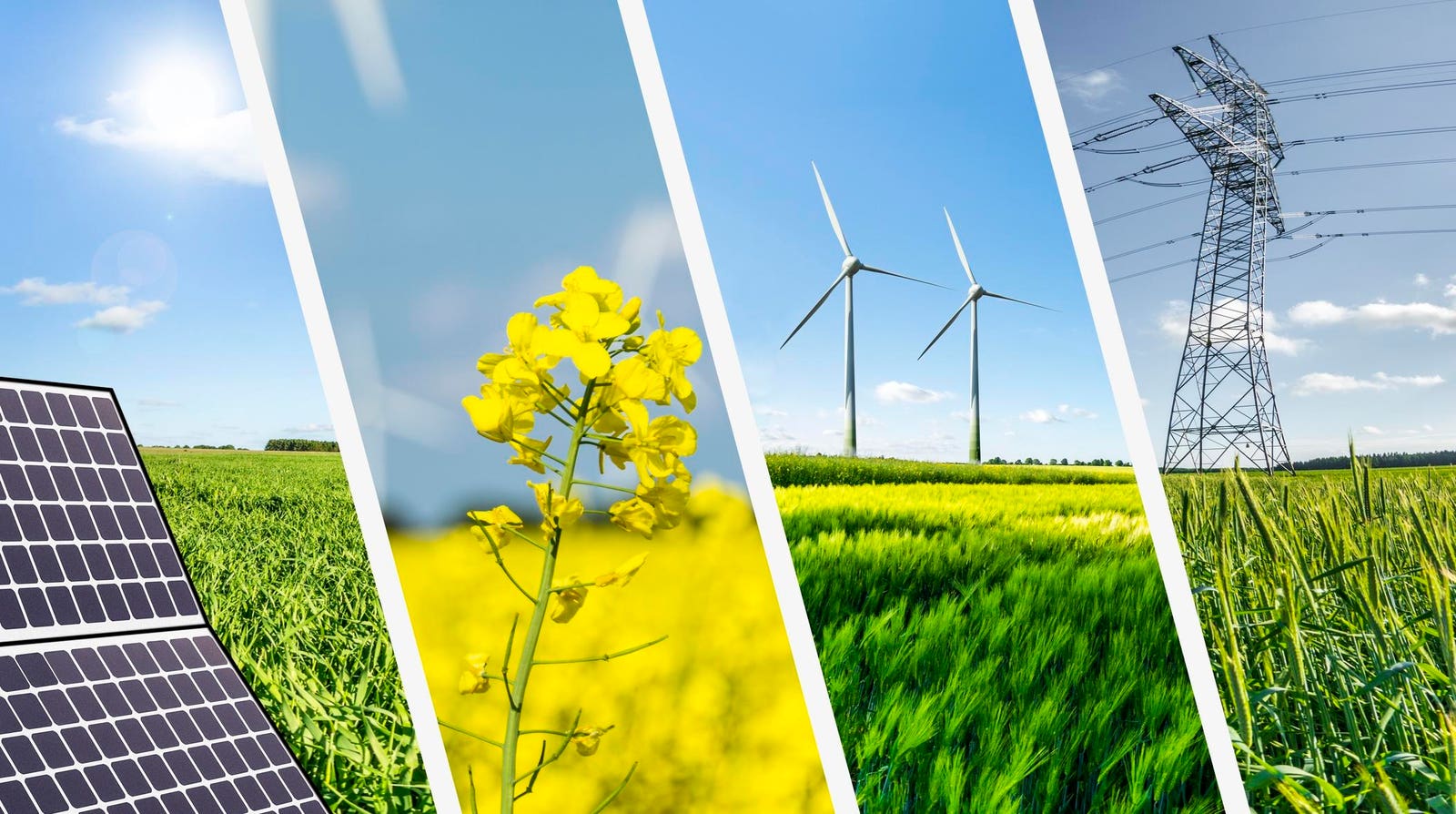
The recent enactment of the One Big Beautiful Bill Act (OBBBA) marks an abrupt and significant pivot in US energy policy, fundamentally reshaping the landscape for power generation and creating a new set of challenges and opportunities for investors. By initiating an early phaseout of federal support for large-scale wind and solar projects, specifically requiring new installations to be operational by December 31, 2027, to qualify for full tax credits, OBBBA introduces a profound shift. This policy change directly impacts the trajectory of renewable energy deployment, which has been the fastest and most efficient source of new electricity generation when combined with battery storage. The looming deadline is expected to trigger a surge in installations in the immediate future, followed by a precipitous decline in new renewable capacity additions by the end of the decade. This dynamic is set to collide with steadily growing US electricity demand, creating a structural supply challenge that will have far-reaching implications across the energy sector.
The OBBBA Effect: Reshaping US Power Generation
The immediate consequence of OBBBA is a forecast disruption to the US power supply pipeline. While projects already under construction within a year of the act’s enactment will retain some eligibility, the hard deadline for new projects by the close of 2027 is catalyzing a short-term installation rush. This flurry of activity in 2026 and 2027 is likely to strain permitting processes and supply chains, but the more critical impact will manifest in the years that follow. Industry projections suggest a significant slowdown, with solar installations potentially dropping by 17% and wind projects by 20% over the next decade compared to previous expectations. Simultaneously, US electric power demand is projected to surge by 25% by 2030 from 2023 levels. This widening gap between robust demand growth and constrained new renewable supply creates an urgent need for alternative solutions. Energy transition research indicates that thermal power plant retirements, which have been a consistent trend, are now likely to be deferred to ensure grid stability. This scenario inherently points towards higher power prices and potential delays for large industrial loads, including the rapidly expanding AI industry, which is highly sensitive to energy availability and cost. The early sunset of manufacturing tax credits also risks slowing domestic clean energy manufacturing, further complicating the supply picture.
Crude Markets React: Navigating Policy Shifts and Price Volatility
While OBBBA primarily targets electricity generation, its ripple effects extend into the broader energy complex, influencing investor sentiment and the demand outlook for traditional fossil fuels. A tightened US power market, characterized by deferred thermal plant retirements and a slower pace of renewable adoption, implies a sustained or even increased reliance on natural gas for electricity generation. This could drive up domestic natural gas demand, potentially impacting global LNG markets and, indirectly, crude oil prices if there’s a broader perception of energy scarcity or a shift in investor capital across energy segments. As of today, Brent crude trades at $94.93, with WTI crude at $91.39, showing minor daily fluctuations but reflecting a broader trend. Over the past 14 days, Brent has seen a notable retreat, dropping from $102.22 to $93.22, an 8.8% decline. This downward trend suggests current market sentiment is influenced by other factors, perhaps global supply dynamics or economic concerns, rather than fully pricing in the long-term implications of OBBBA. Investors are keenly focused on a base-case Brent price forecast for the next quarter and the consensus 2026 Brent outlook. The OBBBA presents a new bullish variable for traditional energy sources in the mid-to-long term, potentially acting as a counterweight to other bearish pressures, especially if US power scarcity leads to increased demand for natural gas and, by extension, supports the broader fossil fuel complex. The price of gasoline, currently at $3, also remains a key indicator for consumer demand and economic health, which could be indirectly impacted by rising electricity costs.
Strategic Outlook: Key Events Shaping the US Energy Future
In this evolving policy landscape, investors must pay close attention to critical upcoming events that will provide real-time insights into market dynamics and supply responses. The next 14 days alone offer several pivotal data points. The Baker Hughes Rig Count, scheduled for April 17th and April 24th, will be particularly telling for US upstream activity, especially concerning natural gas, as producers potentially pivot to meet increased demand from the power sector. Any significant increase in gas-directed drilling could signal a market response to the projected power supply gap. Globally, the OPEC+ Joint Ministerial Monitoring Committee (JMMC) meeting on April 18th, followed by the full Ministerial Meeting on April 20th, will set the tone for crude oil supply. Any decisions on production adjustments will have a direct impact on the global energy cost environment, affecting everything from transportation fuel to industrial feedstock, and will interact with the developing US domestic energy picture. Closer to home, the API Weekly Crude Inventory (April 21st, April 28th) and EIA Weekly Petroleum Status Report (April 22nd, April 29th) will offer immediate snapshots of US crude and product balances, including refinery runs and demand indicators. These reports will become increasingly vital for gauging the energy system’s resilience and how quickly it adapts to OBBBA’s structural shifts, providing crucial short-term signals for energy investors.
Investment Implications and the Quest for Energy Security
The OBBBA-induced policy shift demands a re-evaluation of investment strategies across the energy value chain. For upstream oil and gas companies, particularly those focused on natural gas, this could present a renewed opportunity as sustained demand from the power sector shores up long-term pricing. Investors should scrutinize companies with robust natural gas portfolios and strong operational capabilities. Midstream infrastructure players, especially those involved in gas transportation and storage, may also see increased capital allocation. For utilities, the challenge lies in navigating a potentially higher-cost and more complex generation mix. Those with diversified portfolios or significant existing thermal assets may be better positioned, while others heavily reliant on future renewable build-outs face significant headwinds. The broader economic implications are also profound. The risk of slowing the US’s lead in the global AI race due to energy supply constraints and higher power tariffs is a serious concern. This underscores the increasing importance of energy security as a national priority, potentially leading to further policy adjustments or incentives for domestic technology innovation. Investors should consider the long-term strategic implications for industrial power consumers and the potential for increased investment in grid modernization and reliability, as the energy system adapts to these new, unpredictable pressures. The coming years will undoubtedly be a period of significant transition and re-balancing for the US energy market.