Extreme Weather Events Reshape Risk for Global Energy Investors
The global energy landscape faces an intensifying challenge from severe weather phenomena, a factor increasingly demanding attention from astute oil and gas investors. From the storm-battered coasts of the South Pacific to the industrial heartlands of Europe, recent meteorological events are starkly highlighting the inherent vulnerabilities within the world’s critical energy infrastructure and complex supply chains. Market participants must now meticulously integrate the operational and financial implications of such extreme conditions into their investment frameworks, as these events directly impact asset integrity, logistical continuity, and even fundamental energy demand dynamics.
New Zealand’s Energy Sector Under Siege
A vivid recent illustration of this escalating threat emerged from New Zealand, where a formidable low-pressure weather system swept across the islands, triggering a state of emergency in Christchurch and causing widespread disruption. This powerful system, which rapidly intensified over the Tasman Sea, charted an eastward course, unleashing a destructive combination of exceptionally strong winds and torrential rainfall across the nation. For investors holding stakes in New Zealand’s energy sector, from upstream gas exploration and production to the intricate networks of downstream refined product distribution, the aftermath of these conditions warrants close and continuous monitoring.
Wind’s Fury and Infrastructure Vulnerability
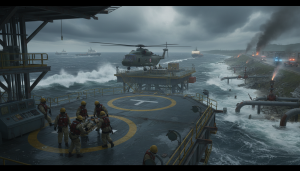
The system generated potent wind speeds, particularly amplified as they funneled through the strategically vital Cook Strait, the critical waterway separating New Zealand’s North and South Islands. Gusts recorded in the capital city, Wellington, reportedly soared beyond 90mph. Such extreme wind velocities present substantial and immediate risks to a spectrum of energy assets. Offshore exploration and production platforms face the potential for structural strain and forced operational shutdowns, directly impacting output. Coastal energy terminals, crucial for importing and exporting fuels, risk damage and operational delays. Even onshore processing facilities, integral to refining and distribution, can be compelled to halt activities or defer critical maintenance schedules, leading to supply interruptions and revenue losses. Furthermore, the very integrity of pipelines and power transmission infrastructure, the circulatory system for energy delivery, endures immense strain during these high-impact events, threatening broad outages and costly repairs.
Torrential Rains, Flooding, and Logistical Gridlock
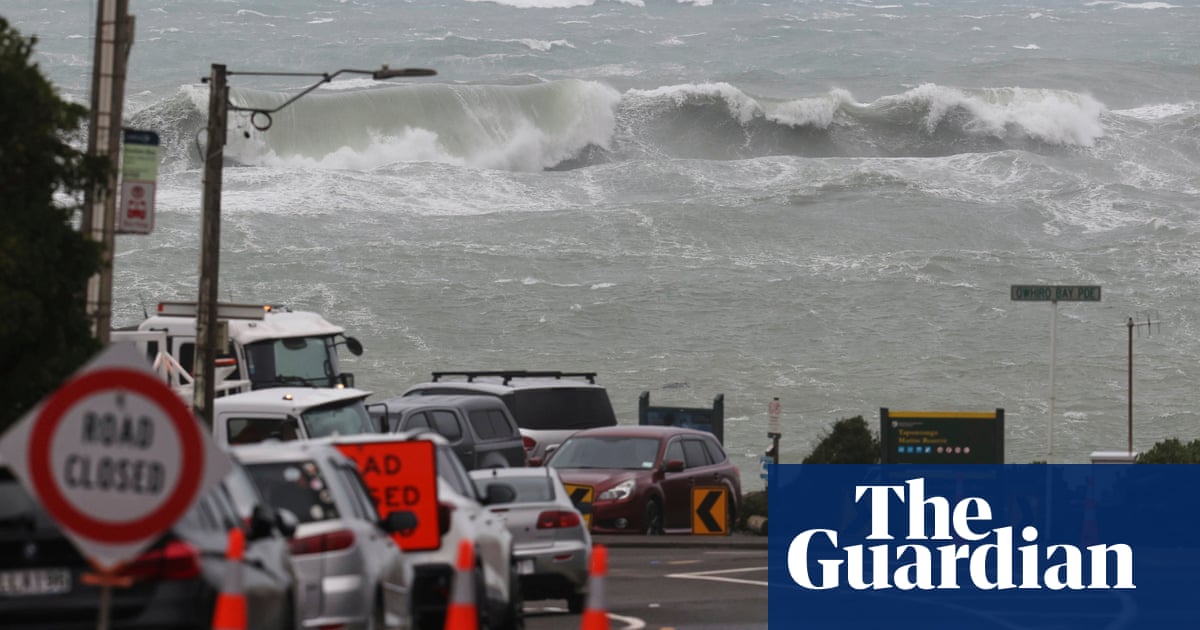
Beyond the wind, New Zealand’s South Island bore the brunt of significant flooding. Moist air, propelled by the southerly flow, condensed rapidly over the Southern Alps, unleashing over 100mm of rain in less than 12 hours across some eastern regions. This deluge overwhelmed river systems, causing them to burst their banks and leading to extensive road closures, culminating in the emergency declaration for Christchurch. For the oil and gas industry, these ground-level impacts translate directly into severe supply chain bottlenecks. The timely delivery of fuels, the transport of essential equipment for maintenance or development, and the movement of critical personnel all face severe impediments. This directly threatens the continuity of regional energy supply and the efficient distribution of refined products to end-users. Adding another layer of logistical complexity, mountainous areas experienced over 50cm of snowfall within a 24-hour period, further isolating remote energy operations and hindering access to vital infrastructure for inspection or repair.
Navigating Treacherous Seas and Maritime Disruptions
The intense low-pressure system also significantly agitated the surrounding seas, generating waves nearly 6 meters high through the Cook Strait. Such extreme sea states critically hamper maritime traffic, a cornerstone of inter-island energy logistics. Tanker movements, essential for transporting crude oil and refined products, face substantial delays or outright cancellations, creating localized shortages. Coastal shipping, vital for distributing fuel between the North and South Islands and supplying remote communities, becomes perilous or impossible. The cumulative effect of high winds, widespread flooding, heavy snowfall, and dangerously rough seas unequivocally underscores the substantial operational risks and inherent supply chain fragility that extreme weather events present to New Zealand’s energy sector. This necessitates a robust and proactive approach to resilience planning, a consideration that investors must increasingly prioritize when evaluating energy assets in vulnerable regions.
Investor Outlook: Building Resilience in a Volatile Climate
The New Zealand experience serves as a potent reminder for oil and gas investors worldwide. The frequency and intensity of extreme weather events are not merely environmental curiosities; they are direct threats to enterprise value, operational continuity, and shareholder returns within the energy sector. Companies with exposed assets must demonstrate proactive investment in weather-hardened infrastructure, diversified supply routes, and sophisticated emergency response protocols. For investors, this translates into a need to scrutinize not just the balance sheets and production forecasts of energy companies, but also their climate resilience strategies, their adaptability to changing weather patterns, and their capacity to mitigate the financial fallout from future meteorological shocks. Investing in the future of oil and gas increasingly means investing in resilience, demanding a deeper understanding of climatic risks alongside traditional market fundamentals.