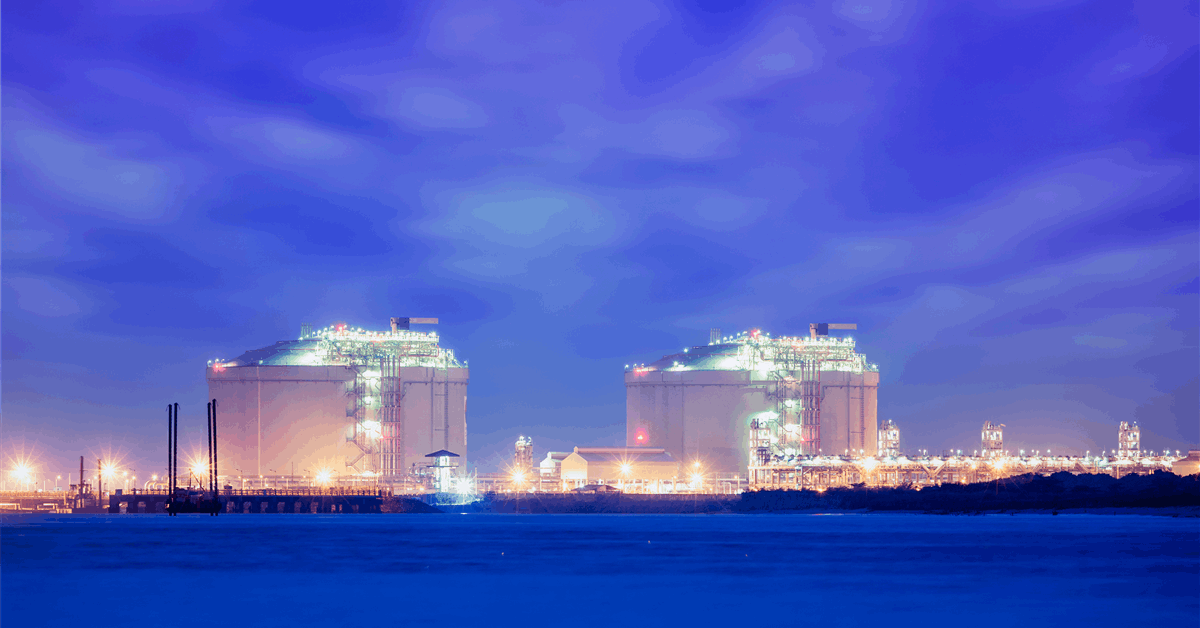
Woodside’s North West Shelf Extension Poised for Federal Approval, Bolstering LNG Investment Outlook
The Australian federal government is on the verge of granting a crucial environmental permit to Woodside Energy Group Ltd., signaling a significant step towards extending the operational lifespan of the North West Shelf (NWS) domestic gas and export facilities in Western Australia. This anticipated approval, accompanied by stringent environmental safeguards, is set to prolong the activity of the Karratha gas processing plant well beyond its current authorization expiry in 2030, offering a robust boost to investor confidence in Woodside’s long-term asset base.
Regulatory Momentum and Conditional Consent
Federal Environment and Water Minister Murray Watt announced the proposed decision, emphasizing that it follows extensive consideration of scientific advice and broad community feedback. The minister highlighted the critical nature of the conditions, particularly those addressing the potential impact of air emissions from the expanded onshore Karratha gas plant. This focus underscores the government’s commitment to balancing energy security with environmental stewardship, a key consideration for socially conscious investors.
A central element of these conditions is the protection of the Murujuga rock art, an invaluable cultural landscape within the Dampier Archipelago and a site of global heritage significance. Minister Watt explicitly stated that adequate safeguards for this ancient artwork are fundamental to the proposed approval. Woodside now has a ten-business-day window from Wednesday to formally respond to the proposed conditions before a final determination is issued. The company has confirmed it is actively reviewing these stipulations.
Strategic Imperative for Australian Energy and Global LNG Supply
For Woodside and its shareholders, this extension represents a cornerstone of their operational strategy, securing the future of a nationally significant energy asset. Liz Wescott, Woodside’s Executive Vice President and Chief Operating Officer for Australia, underscored the profound importance of the North West Shelf project. She noted that the infrastructure has consistently delivered reliable and affordable energy to Western Australia for four decades and to international markets for 35 years, playing a pivotal role in regional and global energy security.
The NWS project, which commenced operations in 1984, has been an economic powerhouse for Australia, contributing over A$40 billion in royalties and taxes. This substantial financial contribution, coupled with the thousands of direct and indirect jobs it sustains, highlights the project’s deep integration into the Australian economy and its capacity to generate long-term value for investors. The extension leverages existing infrastructure, meaning no new expansion of the physical footprint is proposed, which helps mitigate capital expenditure concerns for investors.
Navigating Environmental Concerns and Enhancing ESG Credentials
While the economic benefits are clear, the NWS extension project has faced scrutiny from environmental advocacy groups. Organizations like the Conservation Council of Western Australia and Greenpeace have voiced strong opposition, citing concerns over emissions, potential damage to nearby coral systems, wildlife, and the UNESCO World Heritage-nominated rock art. These environmental considerations are increasingly vital for investors assessing the long-term viability and ESG (Environmental, Social, and Governance) profile of energy companies.
Woodside, however, has articulated its commitment to mitigating these impacts. The company has stated its dedication to protecting the Murujuga Cultural Landscape and supports its World Heritage nomination. Furthermore, as part of a prior State Government approval process in December 2024, the North West Shelf project committed to a comprehensive suite of environmental management measures. These include significant reductions in air emissions, robust strategies for managing greenhouse gas emissions, and a clear trajectory for their progressive reduction over time. Critically, these commitments also encompass meaningful consultation with Traditional Owners, ensuring adherence to all air quality objectives and standards arising from the Mu community’s input. These proactive measures are crucial for reassuring investors about the project’s sustainability and compliance efforts.
Investment Horizon and Future Prospects for Woodside
The imminent federal approval for the NWS extension provides a strong signal to the market regarding Woodside’s ability to maintain and grow its core asset base. For investors, this translates into greater certainty regarding future cash flows, operational longevity, and sustained dividend potential. The NWS facilities are not just a local asset; they are a key component of Australia’s standing as a major global LNG exporter, crucial in a world seeking stable and diverse energy supplies.
This extension solidifies Woodside’s position in the evolving energy landscape, allowing it to continue supplying critical energy while navigating increasingly stringent environmental regulations. The company’s demonstrated commitment to emission reduction targets and engagement with Indigenous communities strengthens its ESG narrative, which is becoming an indispensable factor for institutional and retail investors alike. As the energy transition progresses, the ability of established players like Woodside to adapt, comply, and innovate within their existing asset portfolios will define their long-term value proposition. The NWS extension, therefore, is not merely an operational permit; it’s a foundational piece of Woodside’s future growth strategy and a clear indicator for investors looking at the stability and potential returns from Australia’s vital energy sector.
Conclusion: A Green Light for Long-Term Value
The anticipated federal approval for Woodside’s North West Shelf extension marks a pivotal moment for the company and the broader Australian energy market. While subject to strict environmental conditions, this decision ensures the continued operation of a critical asset, reinforcing energy security, regional economic development, and Woodside’s sustained contribution to global natural gas supplies. For investors, it underscores the stability of Woodside’s core operations and its strategic positioning for long-term value creation, balancing economic imperatives with environmental responsibilities in an increasingly scrutinized global energy landscape.