The Unseen Lever: How Leadership Structures Drive Value in a Volatile Oil Market
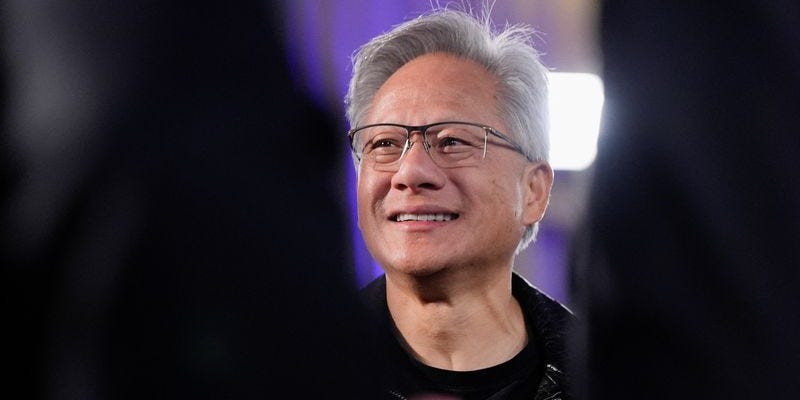
In the high-stakes world of oil and gas, where geopolitical tremors meet relentless market volatility, investor focus often fixates on production quotas, inventory levels, and geopolitical flashpoints. Yet, an often-overlooked, but profoundly impactful, driver of long-term value and resilience is the very architecture of corporate leadership. While a recent glimpse into the internal structure of a leading tech titan revealed a highly decentralized approach – a CEO managing dozens of direct reports to foster information fluidity and empowerment – this unconventional model offers a potent lens through which to examine leadership effectiveness in the capital-intensive, strategically vital energy sector. How well are oil and gas companies structured to navigate rapid shifts, attract top talent, and drive innovation? Our proprietary data suggests that the agility derived from robust, adaptive leadership is more critical than ever.
Agility Premium: Leadership in a Tumultuous Market
The current market environment underscores the urgent need for organizational agility. As of today, Brent Crude trades at $90.38 per barrel, marking a significant 9.07% decline within a single trading day, with a range stretching from $86.08 to $98.97. Similarly, WTI Crude stands at $82.59, down 9.41% for the day. This sharp intraday volatility follows a broader trend; Brent has shed nearly 20% of its value over the past 14 days, falling from $112.78 on March 30th to its current level. Such dramatic swings demand rapid, informed decision-making from corporate leadership. A hierarchical structure, bogged down by layers, risks slow information flow and delayed responses to market signals. Conversely, a flatter, more empowered leadership model, akin to the tech sector’s “fluid information” approach, can enable quicker strategic adjustments, whether it’s optimizing hedging strategies, recalibrating capital expenditure, or adjusting production forecasts. Investors are increasingly asking how specific companies, such as Repsol, are positioned to perform in this turbulent landscape. The answer often lies not just in their assets, but in the responsiveness of their leadership.
Navigating Geopolitical Crosscurrents: Collective Leadership and Future Outlook
Looking ahead, the next two weeks are packed with events that will test the mettle of both corporate and collective energy leadership. The OPEC+ Joint Ministerial Monitoring Committee (JMMC) Meeting on April 19th, followed by the full OPEC+ Ministerial Meeting on April 20th, are pivotal. These gatherings involve the collective leadership of some of the world’s most influential oil producers, whose decisions on production quotas directly impact global supply and price stability. Our readers are keenly interested in “What are OPEC+ current production quotas?” and “what do you predict the price of oil per barrel will be by end of 2026?” The ability of OPEC+ leadership to reach consensus and effectively communicate policy will dictate short-term market reactions. For individual oil and gas companies, the clarity and speed with which their own leadership can interpret and respond to these collective decisions – adjusting drilling schedules, supply chain logistics, and market guidance – will be a key differentiator. Further data points like the API and EIA Weekly Petroleum Status Reports (April 21st, 22nd, 28th, 29th) and the Baker Hughes Rig Count (April 24th, May 1st) will provide granular insights, requiring agile leadership to translate macro trends into actionable corporate strategy.
Talent, Transformation, and Long-Term Value Creation
Beyond immediate market reactions and geopolitical maneuvering, the oil and gas industry faces a monumental long-term challenge: the energy transition. This requires not only significant capital reallocation but also a profound shift in corporate culture and talent acquisition. A leadership model that prioritizes empowerment and broad information sharing, fostering innovation from within, could be a critical advantage. Attracting and retaining top talent in a competitive landscape, especially for new energy ventures and digital transformation initiatives, hinges on a company’s ability to offer meaningful roles and a sense of ownership. Companies with leadership structures that allow for more direct input from a wider range of executives and specialists may be better positioned to identify nascent opportunities in renewables, carbon capture, or hydrogen, and to pivot their strategies effectively. This internal dynamism directly contributes to a company’s resilience and its potential to create sustainable value in a rapidly evolving energy landscape, making leadership structure a vital consideration for investors assessing long-term growth prospects.


