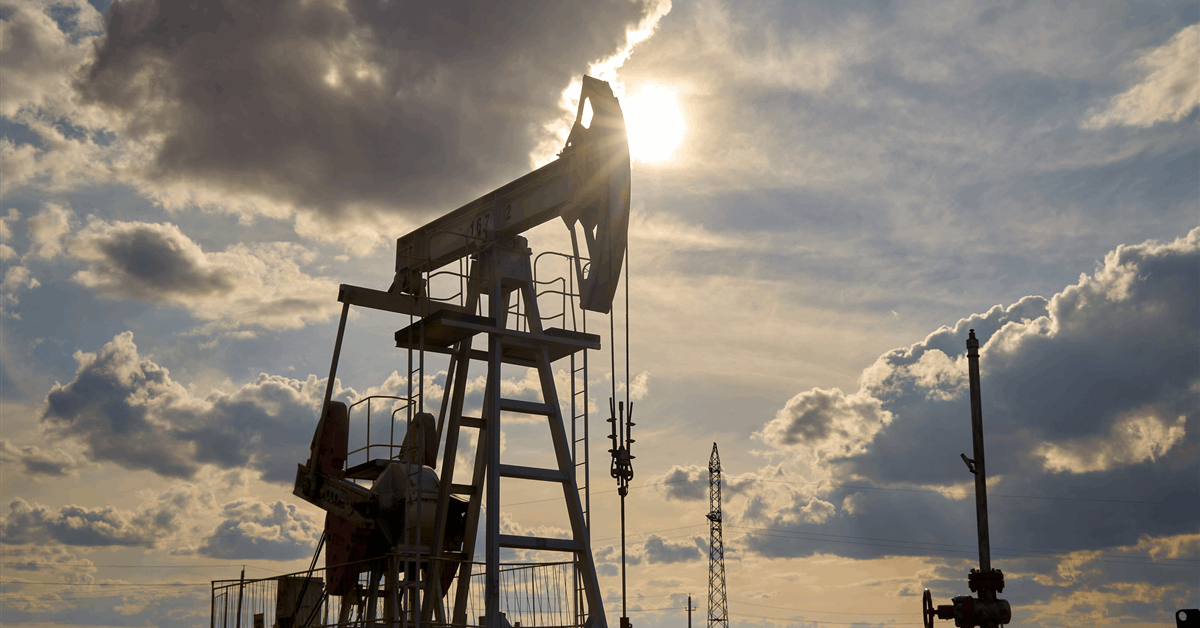
The North American oil and gas sector is flashing a subtly bullish signal for investors, with the latest weekly assessment of drilling activity revealing a net increase across the continent. While the United States saw a modest contraction in its active rig fleet, robust expansion in Canadian operations more than compensated, pushing the total North American count higher. This dynamic interplay underscores the varying investment climates and operational strategies shaping the upstream landscape.
North American Drilling Activity Sees Modest Uptick
As of May 16th, the aggregate number of active rotary rigs across North America expanded by five units week-over-week. This brought the total continental tally to 697 operating rigs. A deeper dive into the figures, however, shows a divergent trend between the two major energy producers. The United States experienced a slight downturn, shedding two rigs, while Canada demonstrated significant momentum, deploying an additional seven rigs during the same period. This translates to the U.S. currently hosting 576 active drilling units, with Canada contributing 121 rigs to the overall count.
U.S. Rig Count Navigates Minor Adjustments
The U.S. drilling environment, a critical barometer for global energy markets, registered a total of 576 active rigs. This fleet comprises 563 land-based units, 11 offshore platforms, and two rigs operating in inland waters. Examining the commodity focus, oil-directed rigs stood at 473, natural gas rigs at 100, and three units were designated for miscellaneous operations. Furthermore, the preferred drilling methodology saw 520 horizontal rigs in operation, alongside 41 directional and 15 vertical units.
Weekly shifts within the U.S. market reflected minor adjustments. Both land and inland water rig counts each decreased by one unit, while offshore activity remained static. Similarly, the number of active oil and gas rigs each saw a reduction of one, with miscellaneous rig operations holding steady. In terms of drilling orientation, the horizontal rig count declined by two, yet directional and vertical rig numbers showed no change.
Regional variations within the U.S. also provided key insights for investors. Texas and New Mexico, two perennial powerhouses in oil and gas production, each saw a reduction of two rigs week-over-week. Conversely, Wyoming and Ohio each added one rig, signaling localized increases in drilling expenditure. On a basin-specific level, the prolific Permian Basin, a bellwether for U.S. shale production, shed three rigs. In contrast, the Utica Basin in the northeastern U.S. added one rig, indicating renewed interest or optimized operations in that natural gas-rich region.
Canada’s Upstream Sector Shows Robust Growth
Canada’s upstream sector demonstrated considerable strength, contributing significantly to the continent’s overall rig count expansion. The nation’s total of 121 active rigs comprised 74 targeting oil and 47 focusing on natural gas. This strong performance was primarily driven by a substantial increase in oil-directed drilling, which added six units week-over-week. Additionally, Canada’s natural gas rig count saw a modest increase of one unit during the period. This surge in Canadian activity suggests a potentially favorable outlook for its energy producers and could signal rising capital allocation to its Western Canadian Sedimentary Basin.
Year-Over-Year Trends Highlight Market Evolution
Despite the recent weekly uptick, a year-over-year comparison reveals a broader contraction in North American drilling activity. The total rig count across the continent currently sits 21 units lower than levels observed a year ago. This annual decline is primarily attributable to the United States, which has reduced its active rig fleet by 28 units over the past twelve months. Canada, in stark contrast, has actually expanded its rig count by seven units year-over-year, showcasing its relative resilience or perhaps a delayed recovery in its drilling programs.
Delving into commodity specifics for the U.S., the past year has seen a reduction of 24 oil rigs, three gas rigs, and one miscellaneous rig. This contraction reflects a more disciplined approach to capital expenditure among U.S. exploration and production (E&P) companies, often prioritizing free cash flow and shareholder returns over aggressive production growth. Conversely, Canada’s year-on-year data reveals a strategic shift: a decrease of 10 natural gas rigs has been more than offset by a substantial addition of 17 oil rigs, indicating a clear pivot towards liquid hydrocarbons in its drilling strategy.
Analyst Perspectives on U.S. Rig Dynamics
Leading financial institutions are closely monitoring these trends. Analysts from J.P. Morgan’s Commodities Research team echoed the reported U.S. figures, noting the two-rig decrease to 576 total active units. Their analysis highlighted that oil-focused rigs declined by one to 473, following a more significant five-rig drop in the preceding week. Natural gas-focused rigs also saw a reduction of one, settling at 100, after remaining flat the previous week.
The J.P. Morgan team further observed that the rig count within the five major tight oil basins, as defined by the U.S. Energy Information Administration (EIA), decreased by three units, bringing their total to 444 active rigs. Conversely, the rig count in two major tight gas basins collectively increased by one unit. These granular insights from institutional research provide valuable context for investors tracking the nuanced shifts in U.S. shale and conventional plays.
Investment Implications and Outlook
For energy investors, this latest rig count report presents a mixed yet intriguing picture. The overall North American expansion, driven by Canada’s resurgence, injects a degree of optimism into the continent’s upstream outlook. Canada’s sustained increase in oil-directed drilling could signal growing confidence in crude prices and the profitability of its oil plays, potentially leading to increased production and export volumes. This trend merits close attention for those invested in Canadian E&P companies.
Meanwhile, the modest contraction in the U.S. rig count, particularly in key basins like the Permian, suggests that American producers largely maintain their capital discipline. While some might interpret this as a dampener on near-term supply growth, it also reinforces the industry’s commitment to efficiency and shareholder value, rather than chasing production at any cost. The slight declines in U.S. oil and gas rigs indicate that any significant increase in domestic production will likely stem from efficiency gains and existing well productivity rather than a wholesale expansion of drilling activity.
The year-over-year data, showing a net reduction in U.S. rigs but an increase in Canada, underscores the divergent paths the two nations are taking within the broader North American energy market. Investors should consider these regional variations when evaluating the supply-demand balance and potential returns from their energy portfolios. The ongoing adjustments in drilling activity remain a crucial indicator of upstream capital allocation, future production trajectories, and the overall health of the North American oil and gas investment landscape.


