Unprecedented Nordic Heatwave Signals New Energy Market Realities
Northern Europe, traditionally known for its cooler climes, is grappling with a “truly unprecedented” heatwave, pushing temperatures to historic highs across the Nordic region. This extreme weather event, amplified by long-term climate trends, is not merely a meteorological anomaly; it carries significant implications for energy markets, particularly for natural gas demand and the stability of regional power grids. Investors in the oil and gas sector must closely monitor these evolving climate patterns and their tangible effects on energy consumption, infrastructure resilience, and commodity prices.
Record-Breaking Temperatures Strain Northern Infrastructure
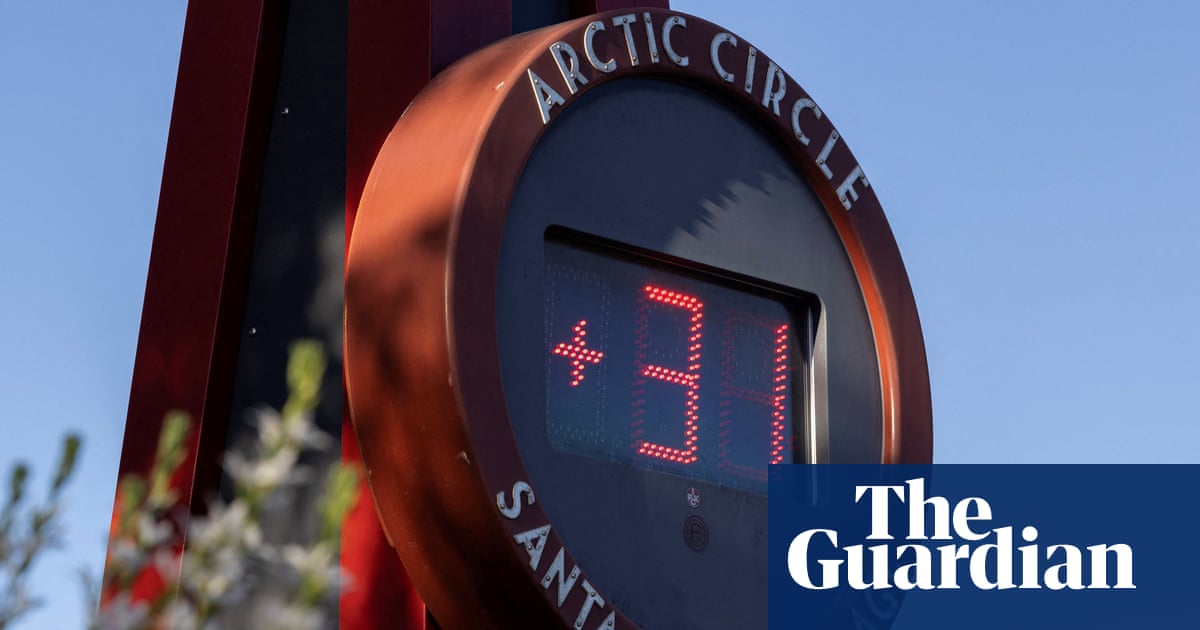
The scale of the recent heat in the Nordics has shattered historical records, underscoring the severity of the phenomenon. A weather station within the Norwegian Arctic Circle reported temperatures exceeding 30 degrees Celsius (86 degrees Fahrenheit) on an astonishing 13 separate days in July. This sustained heat is highly unusual for a region accustomed to milder summers, placing immense stress on local infrastructure and human populations.
Finland experienced an even more prolonged period of intense heat, enduring three consecutive weeks where daily temperatures consistently reached or surpassed 30 degrees Celsius. Climate scientists at the Finnish Meteorological Institute confirm this marks the longest such streak since records began in 1961, surpassing the previous record by a staggering 50%. Mika Rantanen, a prominent climate scientist, highlighted the ongoing intensity, noting maximums around 32-33 degrees Celsius and pointing out that even Arctic areas had seen three weeks above 25 degrees Celsius, potentially rivaling August heat records.
Norway’s northernmost counties also registered significant heat, with at least one station recording temperatures above 30 degrees Celsius on 12 days in July. While a brief respite occurred as the heat moved eastward, forecasts indicated a return to 30-degree Celsius temperatures, signaling persistent challenges for the region. Similarly, in Sweden, meteorologists documented extended heatwaves. A station in Haparanda recorded 25 degrees Celsius or higher for 14 consecutive days, while Jokkmokk in Lappland endured 15 days of continuous heat. Experts from the Swedish Meteorological and Hydrological Institute noted that to find comparable periods, one would need to look back more than a century.
These severe conditions, driven by warm waters off the Norwegian coast and a stubborn high-pressure system, have resulted in temperatures 8-10 degrees Celsius above seasonal norms across the Nordics. The region has also contended with subsequent storms and lightning, which have ignited wildfires, adding another layer of complexity to the environmental and infrastructural challenges.
Mounting Pressure on Energy Demand and Grids
The sudden and prolonged surge in temperatures in a region traditionally ill-equipped for extreme heat has created an unprecedented demand for cooling. Unlike southern European nations, Nordic countries have historically had less need for widespread air conditioning, leaving their residential, commercial, and public infrastructure vulnerable. This immediate need for cooling translates directly into increased electricity consumption, putting significant strain on existing power grids.
For investors, this shift in demand profile is critical. As electricity grids face higher loads, particularly during peak hours, the reliance on various power generation sources comes into sharp focus. While Nordic countries boast high proportions of renewable energy, particularly hydropower, sustained heat can also lead to reduced water levels, potentially impacting hydro generation capacity. This scenario often necessitates ramping up thermal power generation, where natural gas plays a pivotal role in ensuring grid stability and meeting peak demand.
The unexpected burden on local services underscores the broader impact. Reports from Finland detailed an ice rink opening its doors as a refuge due to overcrowded hospital emergency rooms, while Swedish radio highlighted foreign tourists seeking “coolcations” in Scandinavia instead encountering dangerous heat warnings. These anecdotal accounts vividly illustrate the societal and economic disruption, which inevitably ripples into energy consumption patterns and infrastructure demands.
Natural Gas: A Critical Buffer in Climate Extremes
The implications for natural gas markets are significant. As electricity demand for cooling escalates across the Nordics, utilities and power generators in the region, and indeed across Europe, look to flexible and reliable sources to balance the grid. Natural gas-fired power plants are often the go-to option for rapid dispatchable power, especially when intermittent renewables or hydro power face limitations. This increased call on gas could influence regional gas prices and storage levels, particularly as Europe continues its efforts to secure sufficient gas supplies ahead of the upcoming winter.
Investment theses centered on natural gas production, liquefied natural gas (LNG) infrastructure, and gas transportation networks could find renewed validation from such events. The resilience and adaptability of natural gas as a transitional fuel, capable of bridging gaps during extreme weather and ensuring energy security, become increasingly apparent. Companies with exposure to European gas markets, whether through supply contracts, terminal operations, or distribution networks, may experience heightened activity and potentially improved financial performance during periods of elevated demand.
Long-Term Investment Outlook: Climate Adaptation and Energy Security
This Nordic heatwave serves as a stark reminder of how rapidly climate change is altering weather patterns globally, with profound consequences for energy infrastructure and investment strategies. As Heikki Tuomenvirta, a scientist at the Finnish Meteorological Institute, warned, “As climate change progresses, exceptionally severe heatwaves will intensify. They are occurring more frequently, are more severe and last longer.”
For discerning investors, this translates into a need for re-evaluating risk and opportunity. Investments in climate-resilient energy infrastructure, including advanced grid technologies, improved energy efficiency solutions, and diversified power generation portfolios, are becoming paramount. The role of natural gas, while debated in long-term decarbonization strategies, continues to be a critical component in ensuring energy security and grid stability during these increasingly frequent and intense weather events.
Companies focused on natural gas exploration and production, LNG liquefaction and regasification, and power generation assets that can quickly respond to demand fluctuations will likely remain attractive. Furthermore, investments in technologies that help manage peak electricity demand, such as energy storage solutions and demand-side management platforms, are poised for growth. The Nordic heatwave is not an isolated incident; it’s a powerful signal for investors to integrate climate resilience and energy security considerations more deeply into their financial models and strategic planning.