Japan’s Strategic Energy Pivot: Localizing the Offshore Wind Revolution
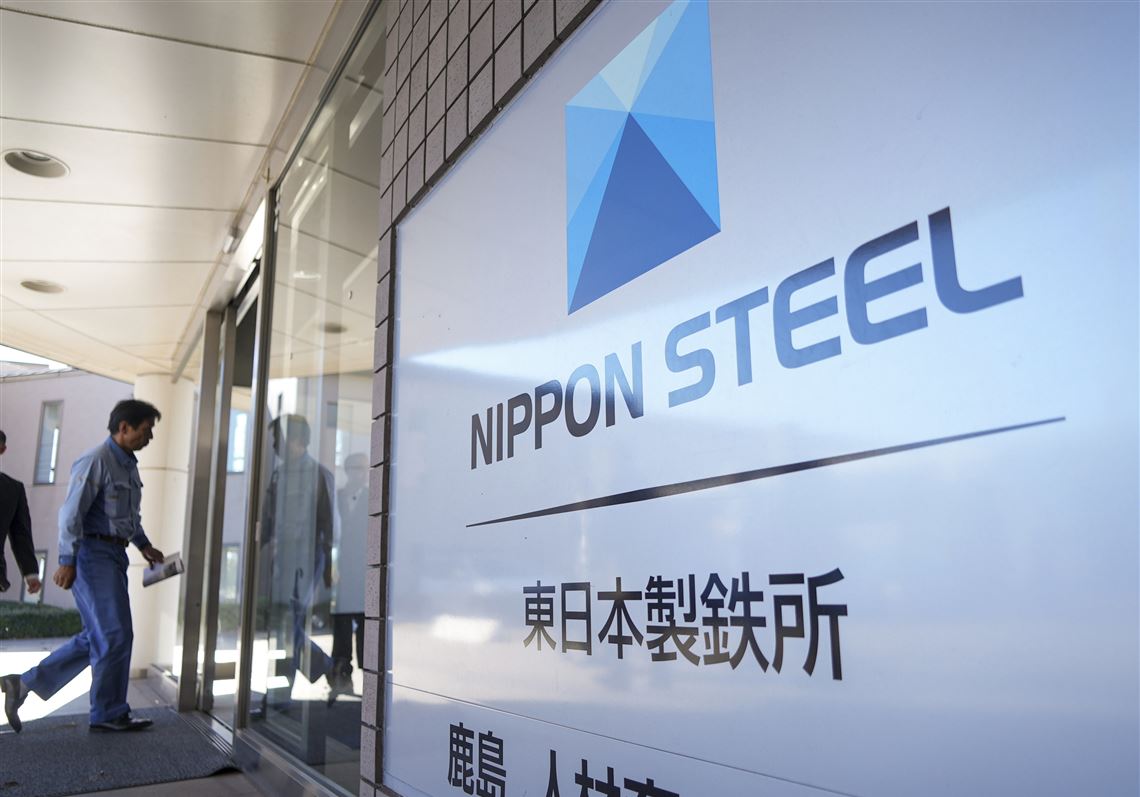
Japan’s commitment to a greener energy future is taking tangible shape, evidenced by a significant new collaboration between industrial giants. The recent agreement for Nippon Steel to supply Vestas Wind Systems with steel for wind towers across Europe, Asia, and Japan is more than just a commercial deal; it’s a strategic move underpinning Japan’s ambitious renewable energy goals. This partnership, announced by Japan’s Ministry of Economy, Trade and Industry (METI), is central to a broader national initiative designed to localize the wind energy supply chain. By reducing reliance on imported equipment and fostering domestic capabilities, Japan aims to solidify its energy independence while driving towards an ambitious target of 45 gigawatts (GW) of offshore wind capacity by 2040. This move signals a profound shift, demonstrating how traditional industrial powerhouses are adapting their core businesses to serve the escalating demand for sustainable energy infrastructure, creating new avenues for investment and growth within the global energy transition.
Industrial Titans Fueling the Green Transition
The involvement of a legacy industrial player like Nippon Steel in the renewable energy sector underscores a critical trend: the repurposing of traditional manufacturing strength to support the energy transition. This collaboration with Vestas, a global leader in wind energy solutions, is not an isolated incident but rather a cornerstone of METI’s comprehensive strategy. Vestas is already a key player in Japan, actively involved in the 375-megawatt offshore wind farm off Happo-Noshiro in Akita Prefecture, a project led by Eneos Corp, Iberdrola, and Tohoku Electric Power. Beyond this specific deal, Japan has actively pursued similar frameworks with other global wind heavyweights. Partnerships with Siemens Gamesa Renewable Energy, which includes a collaboration with Japanese electronics firm TDK for turbine magnets, and with U.S.-based GE Vernova for public-private initiatives in wind power, hydrogen, and ammonia technologies, paint a clear picture. These alliances demonstrate Japan’s multipronged approach to leveraging international expertise while simultaneously building robust domestic capabilities, a vital strategy for achieving its monumental 45 GW offshore wind target by 2040.
Navigating Crude Volatility: Implications for Renewable Investment
While Japan’s long-term renewable ambitions remain steadfast, the broader energy market continues to exhibit significant volatility, a factor that invariably influences investor sentiment across the entire energy spectrum. As of today, Brent crude trades at $90.38 per barrel, marking a notable 9.07% decline within the day, with its range fluctuating between $86.08 and $98.97. Similarly, WTI crude has seen a sharp 9.41% drop, settling at $82.59, having traded between $78.97 and $90.34. This intraday volatility is part of a larger trend; Brent crude has depreciated by 18.5% over the past two weeks, falling from $112.78 on March 30th to $91.87 just yesterday. Such pronounced shifts in conventional energy prices can create a complex backdrop for renewable energy investments. While low oil prices might theoretically reduce the immediate economic pressure to transition, the strategic imperative of energy security, decarbonization, and long-term cost stability continues to drive significant capital towards projects like Japan’s offshore wind expansion. Investors must weigh short-term commodity price swings against the undeniable, accelerating global demand for sustainable energy infrastructure.
Investor Pulse: OPEC+ Decisions and the Long-Term Energy Outlook
The current market dynamics are clearly resonating with our investor community. Our proprietary reader intent data reveals a keen focus on the future trajectory of oil prices, with investors frequently asking about predictions for crude by the end of 2026 and current OPEC+ production quotas. This immediate interest in the conventional energy market’s pulse is particularly relevant as we approach critical upcoming events. The OPEC+ Joint Ministerial Monitoring Committee (JMMC) is scheduled to meet tomorrow, April 18th, followed by the full Ministerial meeting on Sunday, April 19th. Decisions emerging from these gatherings will undoubtedly set the tone for short-term oil supply and pricing, directly influencing market sentiment and capital allocation. While these near-term events command significant attention, the strategic pivot exemplified by Japan’s offshore wind investment highlights a larger, irreversible trend. Investors are increasingly balancing the immediate impacts of crude market fluctuations with the long-term, structural shifts towards renewable energy sources, recognizing that sustained growth in sectors like offshore wind offers diversification and resilience against commodity price volatility.
Charting the Course: Overcoming Challenges to Achieve 45 GW
Despite the strategic importance and robust partnerships, Japan’s journey to 45 GW of offshore wind capacity by 2040 is not without its hurdles. The nation has encountered challenges including rising project costs and delays, issues that have impacted progress through previous government auction rounds. These obstacles, however, serve as catalysts for further innovation and collaboration. The METI-led initiatives and the involvement of global players like Vestas, Siemens Gamesa, and GE Vernova are crucial in mitigating these challenges by fostering local expertise, optimizing supply chains, and driving down long-term costs through economies of scale and technological advancements. The commitment from industrial stalwarts like Nippon Steel is a powerful indicator that the necessary capital and industrial might are aligning with national energy goals. For investors, Japan’s proactive approach, combining domestic localization with international partnerships, represents a compelling case for the continued growth and strategic importance of the global offshore wind sector, offering significant opportunities for those positioned to support this long-term energy transformation.


