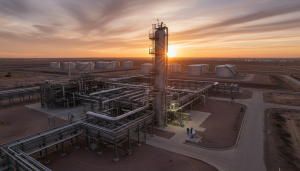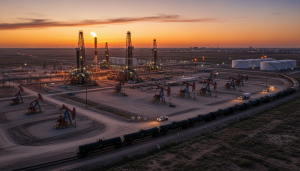
The landscape of upstream oil and gas operations has witnessed a profound transformation over the past decade, largely driven by advancements in hydraulic fracturing. This innovative technique has unlocked vast shale reserves, propelling the United States to become a net exporter of natural gas by 2020. Today, multi-well pad completions are standard practice across prolific basins like the Permian, delivering unprecedented output but simultaneously demanding enormous energy inputs. This intense energy consumption translates directly into substantial operating costs and a significant environmental footprint, prompting the industry to seek more efficient and sustainable completion technologies.
Economic pressures, coupled with evolving climate-related objectives, are continuously spurring innovation within frac pad operations. The imperative is clear: enhance the efficiency and cost-effectiveness of hydraulic fracturing without compromising performance. Each iteration of frac technology, from traditional diesel-powered systems to the cutting-edge solutions emerging today, has brought incremental improvements. Now, a new generation of completions technology is poised to redefine frac operations, centered on 100% natural gas power. This shift promises not only greater operational efficiency but also a substantial reduction in greenhouse gas emissions, presenting compelling value propositions for investors.
The Dominance and Drawbacks of Diesel Frac Fleets
Roughly a decade ago, diesel-powered frac fleets were the undisputed workhorses of well completions. A typical spread comprised 18 to 20 diesel pumping units, each delivering 2,500 horsepower, supported by numerous diesel-fueled service trucks. These high-powered diesel engines offered impressive power density and a compact footprint. A single 2,500-horsepower, trailer-mounted engine could generate over 2,000 hydraulic horsepower (HHP) at the pump’s output, and scaling capacity was as straightforward as deploying additional pumping trucks. This robust, modular, and proven approach provided the immense hydraulic horsepower necessary to effectively fracture the long horizontal wells that characterized the shale boom.
However, this reliance on diesel fuel brought with it significant operational expenditures and logistical complexities. At the peak of activity, a single large frac fleet could consume between seven and ten million gallons of diesel annually, contributing to roughly 154 million pounds of CO₂ emissions each year. Such prodigious fuel consumption necessitated a continuous stream of tanker deliveries and extensive onsite storage, adding layers of cost, risk, and logistical burden to operations. These factors spurred the industry to explore alternative power sources to mitigate both financial strain and environmental impact.
Early Steps: The Dual-Fuel Transition
To address escalating fuel costs and greenhouse gas emissions, the oil and gas sector began experimenting with alternative power systems, most notably dual-fuel engines. Innovations such as certain dynamic gas blending engines allowed for significant diesel displacement by utilizing readily available field gas. These units could achieve, on average, up to 70% diesel displacement, with peak displacement reaching as high as 85% under specific conditions. Crucially, these engines retained the flexibility to operate on 100% diesel if the gas supply became intermittent, ensuring uninterrupted operations. Dual-fuel technology offered companies a viable pathway to lower fuel expenses while leveraging their existing diesel engine platforms, marking an important evolutionary step.
While dual-fuel approaches represented a substantial advancement, they did not fully eliminate the reliance on diesel. Companies still sought a solution that could power their operations entirely with natural gas, further reducing costs, emissions, and logistical overhead. The industry’s goal remained a complete transition to gas-powered systems, pushing the boundaries of technological development beyond partial diesel substitution.
The Emergence of Electric Frac Fleets
The pursuit of 100% gas-powered operations led to the development and adoption of electric frac fleets. These systems utilize electric motors to power the pumps, which are then energized by either field gas-fired generators or grid power. Electric frac technology offers a multitude of advantages, including drastically reduced fuel costs, lower emissions, significant noise reduction at the well site, improved safety protocols, and decreased maintenance requirements due to fewer moving parts. Furthermore, electric systems often boast greater reliability, enhanced automation capabilities, and require less personnel on site, thereby streamlining operations.
Despite these compelling benefits, the high upfront capital expenditure associated with acquiring electric frac fleets initially presented a significant barrier to widespread adoption. To overcome this hurdle, innovative financing and operational models emerged, such as the leasing of e-frac equipment. Service providers began offering fully electric fleets, allowing operators to capitalize on the operational efficiencies and environmental benefits without the prohibitive initial investment. Companies like Liberty Oilfield Services with its digiFrac™ system and Evolution Well Services with its fully electric frac fleet exemplify the successful deployment of this technology, proving its viability and effectiveness in the field.
Turbine-Powered Electric Frac: The Next Frontier
Building on the success of electric frac, the industry is now embracing turbine-powered electric frac fleets as the pinnacle of next-generation completions technology. These systems leverage robust gas turbine generator sets, such as Caterpillar’s G3600 units, which can range from 1,800 to 3,600 kW. A key differentiator is their ability to run entirely on 100% field gas, directly transforming readily available wellhead gas into 100% electric power for the frac pumps.
This innovative approach virtually eliminates the need for diesel at the well site, delivering an impressive 35% reduction in greenhouse gas emissions compared to traditional diesel-powered fleets. Critically, it also slashes fuel costs by an estimated 80%, projecting annual savings of $7 million to $10 million by eliminating the consumption of seven to ten million gallons of diesel per year. Beyond the financial and environmental benefits, turbine-powered electric frac fleets offer a reduced operational footprint, enhanced automation, lower maintenance demands, and require fewer personnel, all contributing to increased uptime and improved overall reliability.
Strategic Advantages for Investors
For investors, the shift to next-generation completions technology, particularly turbine-powered electric frac, represents a significant opportunity. The modular and scalable design of these systems allows for flexible deployment, integrating seamlessly with existing infrastructure while optimizing operational efficiency. The ability to utilize 100% field gas not only drastically cuts fuel expenses but also mitigates the logistical challenges and costs associated with diesel transport and storage. This translates into tangible improvements in the bottom line, enhancing capital efficiency and boosting investor returns in a sector increasingly scrutinized for its environmental impact.
The substantial reduction in greenhouse gas emissions also positions companies employing these technologies favorably in an investment climate increasingly focused on Environmental, Social, and Governance (ESG) factors. By embracing these advanced solutions, operators can demonstrate a strong commitment to sustainability, potentially attracting a broader base of investors and securing more favorable financing terms. The improved safety, reduced noise, and smaller physical footprint further underscore the holistic benefits of these cutting-edge completion methods, making them a strategic imperative for long-term success in the dynamic oil and gas industry.