The energy investment landscape is in constant flux, a reality underscored by the dramatic swings in crude oil prices we’ve witnessed recently. As of today, Brent Crude trades at $90.38, reflecting a significant 9.07% decline in a single day, within a range of $86.08 to $98.97. Similarly, WTI Crude has fallen to $82.59, down 9.41%, trading between $78.97 and $90.34. This volatility extends beyond the daily charts; Brent has shed $20.91, or 18.5%, from $112.78 just two weeks ago on March 30. Such sharp corrections demand investor attention, particularly as the broader energy transition continues to unfold. While the immediate focus remains on fossil fuel supply and demand dynamics, groundbreaking advancements in areas like battery recycling, exemplified by Fraunhofer’s latest initiative, are quietly reshaping the long-term commodity outlook and demanding a more holistic investment strategy from astute oil and gas portfolio managers.
Crude Volatility and the Long Shadow of Electrification
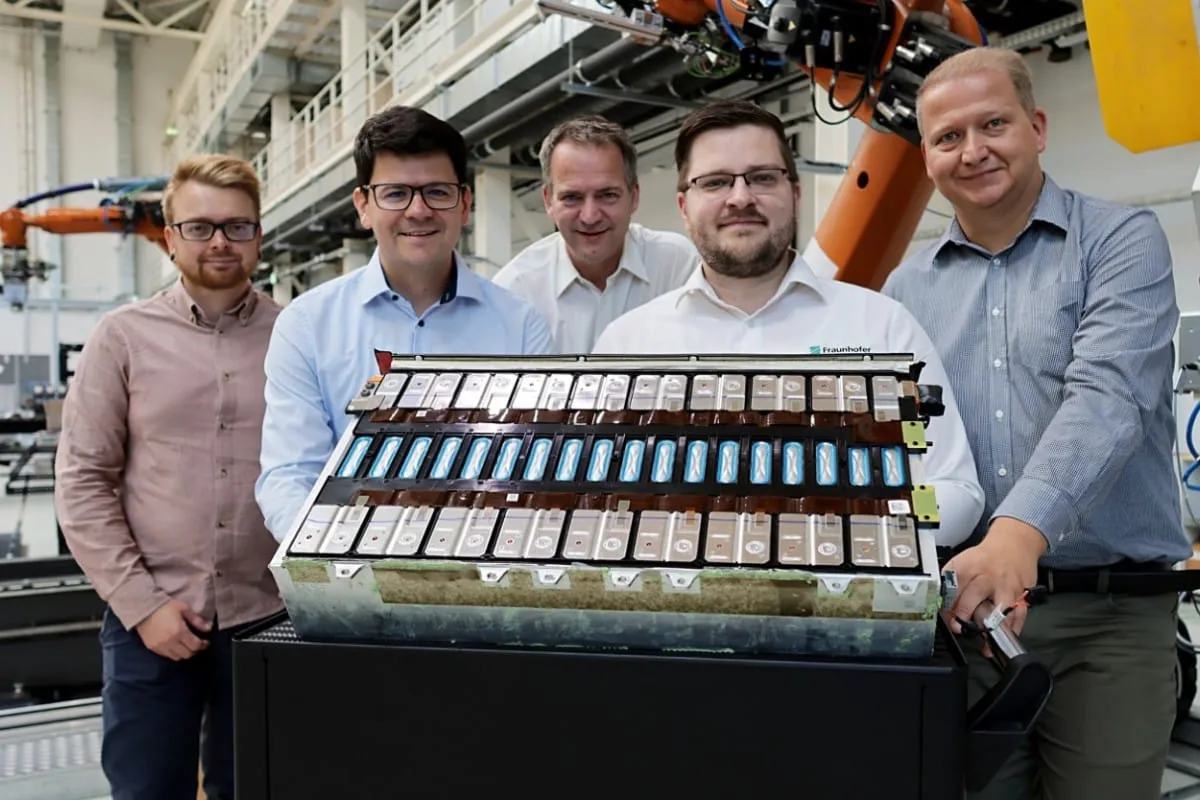
The current turbulence in crude markets, with gasoline prices also down significantly to $2.93 (-5.18%), highlights the precarious balance of global energy supply and demand, influenced by geopolitical tensions, economic forecasts, and inventory data. For oil and gas investors, these daily fluctuations are critical. However, it’s essential to look beyond the immediate horizon. Developments in sustainable technologies, such as the new automated pilot plant for electric vehicle battery dismantling being developed by Fraunhofer IWU and EDAG Production Solutions in Chemnitz, signal a fundamental shift. While not directly impacting today’s oil demand, such innovations accelerate the electrification trend, which will, over time, temper the growth trajectory for fossil fuels. This project aims to create an alternative to current shredding methods, focusing on batteries with insufficient residual capacity for vehicles but viable cells for repurposing into large storage systems for homes, businesses, or grid operators. This strategic move towards a circular economy for critical battery materials will increasingly influence long-term commodity demand forecasts for primary resources.
Advanced Battery Recycling: A New Commodity Frontier
The Fraunhofer initiative represents a pivotal step towards resource security in the burgeoning electric vehicle and energy storage sectors. By enabling the safe and economical dismantling of functional high-voltage storage devices, the project directly addresses the challenge of managing end-of-life batteries. The partners emphasize that shredding valuable resources would be wasteful; instead, repairing and remanufacturing these batteries extends their lifespan and preserves precious materials. The Chemnitz pilot plant is designed for “variant-flexible, AI-supported dismantling,” allowing for largely damage-free separation of components down to the cell level. An integrated system will analyze the health status of modules and cells, ensuring only reusable parts are repurposed, with fully intact units even potentially returning to new traction batteries. Cells beyond reconditioning are then sent for raw material recovery, including crucial elements like lithium and cobalt. This focus on maximizing material value through advanced recovery technologies will reduce reliance on virgin mining, a critical factor for investors concerned about the future supply and price stability of these essential battery components. It also answers the implicit investor question: how will the energy transition manage its own resource demands sustainably?
Upcoming Market Catalysts and Investor Foresight
As investors grapple with current market volatility, immediate catalysts on the horizon demand close attention. The upcoming OPEC+ Joint Ministerial Monitoring Committee (JMMC) meeting on April 18th, followed by the Full Ministerial Meeting on April 19th, will be crucial. With crude prices already seeing a steep decline, the market is closely watching if OPEC+ will adjust production quotas to stabilize prices. Our readers are actively asking about OPEC+ current production quotas and what to predict for oil prices by the end of 2026. Any decision from these meetings will have a profound impact on short-to-medium term crude prices, influencing profit margins for producers and refiners alike. Furthermore, the API Weekly Crude Inventory reports on April 21st and 28th, alongside the EIA Weekly Petroleum Status Reports on April 22nd and 29th, will provide critical insights into U.S. supply and demand dynamics. The Baker Hughes Rig Count on April 24th and May 1st will offer a snapshot of drilling activity. While these events dictate immediate oil market sentiment, the Fraunhofer project represents a strategic long-term play that, by ensuring a more robust and sustainable supply chain for electric vehicle components, indirectly accelerates the shift away from fossil fuels. Investors must weigh these immediate market movers against the systemic changes unfolding in the broader energy ecosystem.
Strategic Portfolio Implications for Oil & Gas Investors
The implications of advanced battery recycling technologies extend beyond the EV sector, touching directly on the strategic positioning of oil and gas portfolios. The Fraunhofer initiative, by establishing a data platform for standardizing reuse and recycling processes, is laying groundwork for a more efficient and transparent circular economy. This kind of technological advancement can significantly alter the demand curve for newly mined critical minerals, potentially stabilizing prices for materials like lithium and cobalt, which are vital for the energy transition. For oil and gas investors, this means two things: first, continued diversification into critical mineral extraction, processing, or related recycling technologies could offer new avenues for growth and risk mitigation. Second, a more robust and sustainable battery supply chain will likely accelerate EV adoption and grid-scale storage deployment, thus intensifying the long-term pressure on crude oil demand. Investors asking about the ultimate price of oil per barrel by the end of 2026 must consider not just OPEC+ actions and economic growth, but also the accelerating pace of energy transition technologies that are continuously innovating new ways to reduce reliance on primary commodities. Understanding these interconnected trends is paramount for building resilient energy portfolios in an evolving global market.