The ambitious target of achieving net-zero emissions by 2050 is facing a rigorous re-evaluation within Australia’s opposition Coalition, with financial considerations emerging as the primary determinant for its retention or abandonment. This internal debate signals potential shifts in the nation’s long-term energy strategy, presenting both risks and opportunities for investors closely watching the Australian market.
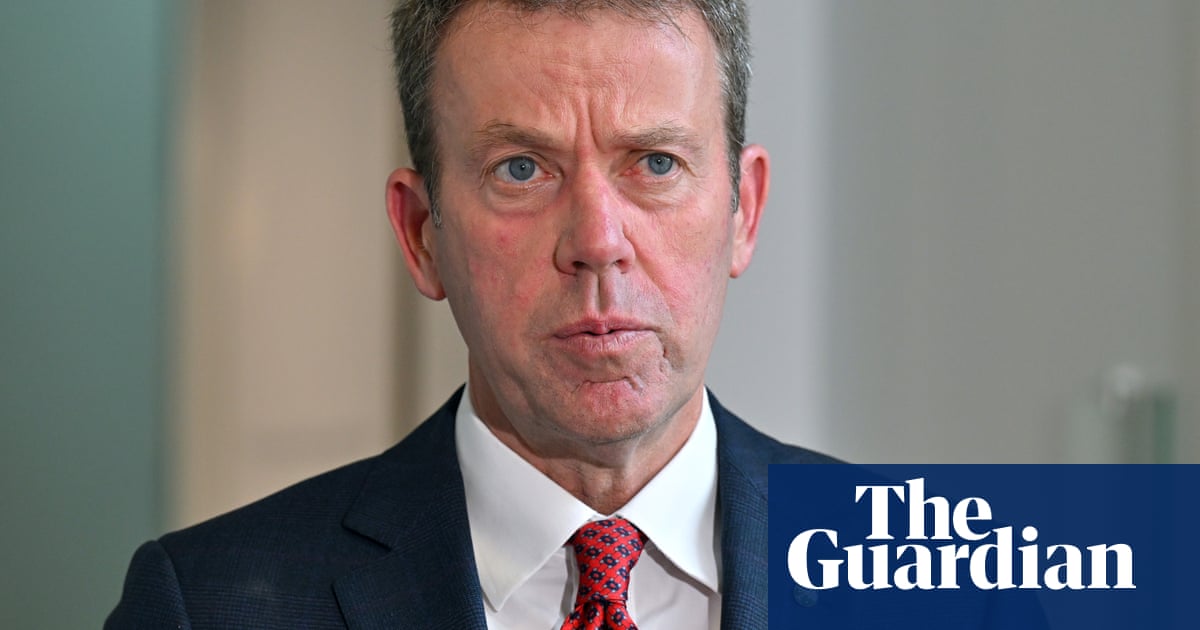
Dan Tehan, the newly appointed shadow minister for energy and emissions reduction, has indicated that the economic burden of decarbonization will be the most significant factor guiding the Coalition’s ultimate decision. His remarks come as the opposition embarks on an intense internal review of its climate policies, a process initiated following its recent federal election defeat. This re-assessment underscores a deep ideological rift within the Coalition, with implications for future capital deployment across the energy spectrum.
The Cost Conundrum Driving Policy Re-evaluation
For energy investors, the Coalition’s internal discussion is more than just political theater; it represents a critical inflection point for Australia’s investment landscape. Tehan explicitly stated that the “cost will be one of the most significant factors that will drive our decision,” highlighting a clear focus on the fiscal impact of climate policies. He has also voiced concerns about the current government’s transparency regarding the true costs associated with its signature climate initiatives, such as the capacity investment scheme.
This emphasis on financial viability resonates with investors who consistently seek clarity on long-term policy frameworks that impact project economics. Uncertainty surrounding national climate targets can introduce significant regulatory risk, influencing investment decisions in both traditional fossil fuel projects and emerging renewable technologies. The ongoing review, set to detail its process imminently, will not only scrutinize the net-zero commitment but also delve into Australia’s stance on the Paris Agreement and the national gas reservation scheme, all of which have profound implications for energy market stability and investor confidence.
Political Divisions and Market Uncertainty
The road to an agreed position within the Coalition appears fraught with challenges, given the deeply divergent views among its members. Prominent figures within the Nationals, like Matt Canavan and Barnaby Joyce, have vocally advocated for abandoning the net-zero commitment. Simultaneously, some Liberals, including Andrew Hastie, a widely recognized rising figure, have expressed renewed skepticism about the feasibility and wisdom of the target. This internal “brawl,” as characterized by observers, creates a significant degree of policy uncertainty that investors abhor.
Such political flux can translate into delays for major energy projects, impact commodity price expectations, and alter the attractiveness of Australia as a destination for energy capital. Companies operating or planning to invest in Australia’s vast oil, gas, and mineral resources will be closely monitoring whether the nation’s commitment to international climate agreements, and its domestic energy policy, remains stable or becomes subject to periodic recalibration based on political cycles. The outcome of this review will directly influence the risk premium associated with Australian energy assets.
The Economic Trade-offs: Inaction vs. Decarbonization Investment
While the Coalition scrutinizes the costs of active decarbonization, the incumbent government has countered with warnings about the severe economic consequences of “climate inaction.” A recent response from climate department officials to a Senate inquiry highlighted the substantial financial burden Australia could face if it fails to address climate change effectively. Specifically, the 2023 intergenerational report projected that the commonwealth might need to allocate an additional $130 billion towards disaster payments by the 2060s due to an increase in climate-fueled natural catastrophes, such as bushfires and floods.
This presents a complex dilemma for investors: on one hand, the direct capital outlay required for a rapid energy transition, and on the other, the escalating costs of climate-related disruptions. For energy companies and infrastructure funds, this debate frames the long-term investment horizon. A decision to scale back net-zero ambitions might reduce immediate transition costs but could expose the economy and assets to greater physical climate risks over time. Conversely, a firm commitment, despite high upfront costs, could unlock significant investment in new energy technologies and infrastructure, positioning Australia as a leader in the global energy transition.
Nuclear Energy’s Shifting Sands and Broader Implications
Adding another layer of complexity to Australia’s energy policy landscape is the evolving stance on nuclear power. The Coalition has already adjusted its previous plans under former leader Peter Dutton, now committing to lifting the federal moratorium on nuclear energy but stopping short of pledging to build government-owned power plants. This pragmatic shift indicates a recognition of the significant capital expenditure and long lead times associated with nuclear development, while still keeping the option open for private sector involvement.
For investors, this signals a nuanced approach to future energy mix diversification. While the immediate prospect of government-backed nuclear facilities appears to have diminished, the willingness to lift the moratorium could pave the way for future private investment in small modular reactors (SMRs) or larger-scale nuclear projects, should economic and regulatory conditions become favorable. The broader implications extend to the competitive landscape for natural gas, coal, and renewable energy, as nuclear power could eventually offer a dispatchable, low-carbon baseload alternative, influencing long-term power purchase agreements and energy market prices.
Outlook for Energy Investors
The ongoing re-evaluation of Australia’s net-zero target by the Coalition represents a critical juncture for the nation’s energy future and, by extension, for global energy investors. The emphasis on financial costs, coupled with the internal political divisions, indicates that Australia’s climate policy is in a state of flux. Investors in the oil and gas sector, particularly those with significant Australian exposure, should closely monitor the outcomes of this review.
Clarity on the net-zero pathway, the future of the Paris Agreement commitments, and the gas reservation scheme will directly impact regulatory certainty, project financing, and the overall attractiveness of Australia’s energy market. While the debate continues, vigilance and a keen understanding of the evolving policy landscape will be paramount for navigating the opportunities and risks presented by Australia’s dynamic energy transition.


