The energy market is signaling a critical shift in North Dakota, the nation’s third-largest oil-producing state. Recent announcements from the state’s Department of Mineral Resources confirm that oil and gas operators are strategically curtailing drilling and completion activities, a direct consequence of sustained weakness in crude oil prices. This move, poised to significantly impact output, underscores the acute sensitivity of U.S. shale production to market conditions and presents a compelling watchpoint for investors tracking North American energy dynamics.
North Dakota Operators Pull Back Amid Price Pressure
Operators across the Williston Basin are initiating a measured pullback, specifically targeting a reduction in active drilling rigs and hydraulic fracturing crews. The impetus for this deceleration is clear: crude oil prices have consistently traded below the crucial $65 per barrel mark, a threshold now widely considered necessary for profitable and sustainable operations in the region. This price point represents a significant challenge for producers, who must balance operational costs, capital expenditure, and investor returns.
Nathan Anderson, director of North Dakota’s Department of Mineral Resources, articulated the state’s expectation, stating that “we’re expecting the rig count to soften just a little bit, and most certainly related to soft prices and a little bit of a volatile price environment that we’re in right now.” This sentiment highlights the dual pressures of outright lower prices and the uncertainty that volatility brings to long-term investment decisions. Such a volatile landscape makes it difficult for companies to commit to multi-year development programs, prompting a more cautious, responsive approach to capital allocation.
The Evolving Economics of Bakken Production
Historically, breakeven prices for Bakken crude production hovered in the range of $55 to $60 per barrel. However, the current economic environment has shifted this paradigm. While these historical figures might represent the raw operational cost of bringing a well online, the true “economic breakeven” — the price required to generate sufficient free cash flow, service debt, and provide shareholder returns — is considerably higher. Inflationary pressures on labor, services, equipment, and supply chain logistics have pushed operating expenses upwards across the board. Furthermore, investor demands for capital discipline and a focus on profitability over pure volume growth mean that companies are no longer willing to drill simply to maintain production if the returns aren’t compelling.
The $65 per barrel mark has emerged as a psychological and financial trigger point. When prices dip below this level for an extended period, the calculus for deploying capital shifts, making new drilling programs less attractive. This signals a mature approach from operators, prioritizing financial health and shareholder value over unbridled expansion, a stark contrast to previous shale boom cycles.
Operational Contraction: Rigs and Frac Crews
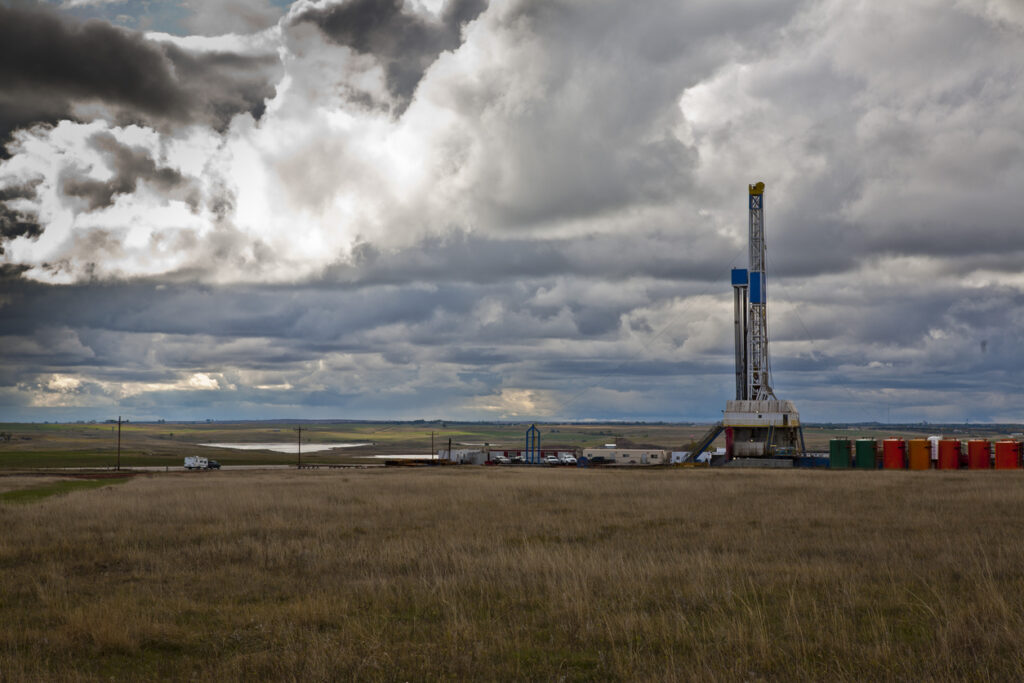
The impact of this strategic recalibration is tangible and immediate. On Friday, North Dakota’s active rig count stood at 31. However, projections indicate a significant reduction to approximately 27 rigs by August. This anticipated drop represents a notable decline in drilling activity, directly influencing the pace of new well development. This isn’t a widespread, industry-wide shutdown, but rather a targeted response from “about four or five operators” who are adjusting their business plans or reacting directly to the lower price environment.
Beyond drilling, the completion side of the business is also facing cutbacks. Of the 14 hydraulic fracturing crews currently active in the state, two are slated for potential reduction. Frac crews are pivotal for bringing drilled wells into production; a reduction here means that even if wells are drilled, their completion and subsequent contribution to production will be delayed. This combination of fewer drilling rigs and reduced frac capacity ensures a slowdown in new well completions and, consequently, a likely flattening or decline in North Dakota’s overall crude oil output in the coming quarters.
Broader Market Implications for Investors
As the third-largest oil producer in the United States, North Dakota’s operational adjustments carry weight far beyond its state borders. Any sustained reduction in its output contributes to the broader U.S. crude supply picture, potentially tightening the domestic market and influencing global supply-demand dynamics. For investors, monitoring these regional shifts is crucial for understanding the overall trajectory of U.S. shale production, a key variable in the global oil market equation alongside OPEC+ decisions and geopolitical events.
The implications for energy sector investors are multi-faceted:
- Exploration & Production (E&P) Companies: Bakken-focused E&P firms with significant acreage in North Dakota will likely see their Q3 and Q4 production guidance revised downwards. This could impact revenue forecasts, free cash flow generation, and ultimately, share performance. Investors should closely scrutinize upcoming earnings calls for updates on capital expenditure plans and production targets.
- Oilfield Service Providers: A reduction in rig count and frac crews directly translates to lower demand for drilling, completion, and associated well services. This will impact the revenue and profit margins of oilfield service companies operating in the region, potentially leading to pricing pressures and reduced equipment utilization.
- Midstream Infrastructure: While long-term pipeline contracts often provide some stability, a sustained decline in production volumes could eventually affect throughput and profitability for midstream operators with significant exposure to North Dakota egress capacity.
The current environment underscores the ongoing shift towards capital discipline within the U.S. shale industry. Companies are no longer solely focused on maximizing production volume but are intently geared towards generating sustainable free cash flow and returning capital to shareholders. This means that price signals like the $65 per barrel threshold are meticulously observed, dictating operational tempo and investment decisions.
Outlook: A Cautious Path Forward
The planned rig and frac crew reductions in North Dakota represent a clear response to the prevailing weakness and volatility in oil prices. This strategic deceleration highlights the sensitivity of U.S. shale production to economic thresholds and investor expectations. For the astute energy investor, these developments serve as a potent reminder that the era of “growth at all costs” is firmly in the past. Instead, the focus remains on profitability, capital efficiency, and a disciplined approach to development, making North Dakota’s operational adjustments a bellwether for the broader health and direction of the North American energy sector.