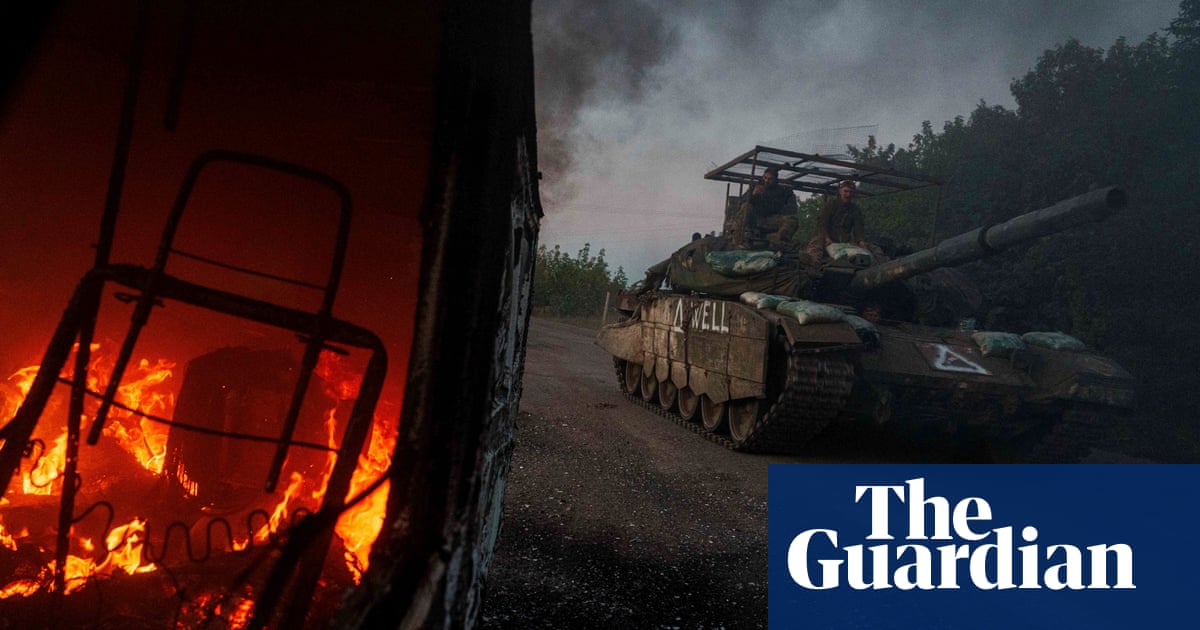
The global energy landscape is undergoing a profound transformation, driven not only by traditional economic factors but increasingly by heightened geopolitical tensions and an unprecedented military buildup worldwide. For astute oil and gas investors, understanding this evolving dynamic is critical. The push for rearmament, particularly within NATO nations, presents a significant, though often understated, driver for sustained fossil fuel demand and a tangible impact on global emissions, warranting close attention from market participants.
The Unseen Energy Drain of Global Rearmament
Recent analyses reveal a stark picture: the world finds itself embroiled in the highest number of armed conflicts since the Second World War. This turbulent environment has spurred a massive surge in military expenditures, reaching a staggering record of $2.46 trillion in 2023. This colossal investment in defense hardware and operational readiness carries a substantial energy footprint, directly translating into increased demand for crude oil, natural gas, and refined petroleum products.
Every dollar allocated to new armaments, from tanks and aircraft to naval vessels and logistical support, necessitates a corresponding energy input throughout its lifecycle. From the carbon-intensive production of steel and aluminum for advanced weaponry to the vast quantities of jet fuel, diesel, and other fuels required for training exercises, deployments, and active combat, the defense sector is a voracious consumer of energy. Researchers estimate that military activities globally already account for approximately 5.5% of total worldwide greenhouse gas emissions – a figure poised for significant expansion.
NATO’s Strategic Shift and Fuel Demand
The strategic imperative for NATO allies to bolster their defense capabilities is a primary catalyst in this escalating energy demand. With the United States, historically the world’s largest military spender, signaling expectations for its partners to commit substantially more resources to their armed forces, the ripple effect on energy markets is undeniable. Forecasts suggest that rearmament plans within the NATO alliance alone could contribute an additional 200 million tonnes of greenhouse gas emissions annually. This projection underscores a substantial increase in the consumption of fossil fuels, particularly jet fuel for air forces and diesel for ground operations and naval fleets across member states.
For investors, this signifies a robust baseline demand for specific refined products, potentially offering stability or even growth in sectors catering to military logistics and fuel supply chains. The long-term nature of defense procurement and operational readiness means this demand segment is unlikely to abate quickly, offering a consistent revenue stream for energy companies involved in these markets.
European Energy Dynamics Amidst Geopolitical Tensions
Europe stands out as a region experiencing a particularly dramatic escalation in defense spending. Between 2021 and 2024, European Union states saw their weapons expenditures climb by over 30%. This sharp rise reflects a concerted effort to enhance regional security in response to ongoing conflicts and shifting geopolitical alliances. Moreover, the EU has outlined proposals for a further €800 billion in defense spending across the bloc, signaling a sustained commitment to militarization.
This significant financial commitment translates directly into increased industrial activity and energy consumption across the continent. Manufacturing facilities producing military equipment, transportation networks moving personnel and materiel, and the direct operational needs of expanding armed forces will all contribute to elevated demand for oil and natural gas. For energy producers and distributors operating in or supplying the European market, this trend represents a foundational element of future energy consumption forecasts, potentially offsetting some pressures from renewable energy transitions in the short to medium term.
Conflict-Driven Consumption and Future Outlook
The Global Peace Index reported that militarization intensified in 108 countries in 2023, with 92 nations actively involved in armed conflicts, spanning regions from Ukraine and Gaza to South Sudan and the Democratic Republic of Congo. Tensions also simmer between major powers over critical strategic areas, such as the relationship between China and the US regarding Taiwan, and the persistent, occasionally flaring, conflict between India and Pakistan.
Governments, driven by a palpable fear of war, are making heavy investments in their military capabilities. This widespread military engagement and preparedness fuels a continuous need for energy resources. While the direct consumption of fuel during combat operations is significant, the indirect demand from supporting industries – manufacturing, logistics, maintenance, and training – forms a broad and deep current of energy consumption. The strategic importance of energy security, especially for nations engaged in or preparing for conflict, will continue to prioritize reliable access to fossil fuels, even as global climate concerns mount.
Indeed, a paradox emerges where short-term security priorities, manifested through military spending, may inadvertently exacerbate long-term security challenges like climate change, which itself is increasingly recognized as an indirect driver of conflict. Cases like competition over scarce resources in Sudan’s Darfur region after prolonged droughts, or tensions over newly accessible oil, gas, and mineral resources in the receding Arctic ice, highlight this intricate feedback loop. However, for the oil and gas sector, these interconnected crises underscore the immediate and pressing demand for conventional energy sources to power global defense initiatives.
Investment Implications for the Energy Sector
For investors focused on the oil and gas sector, the global rearmament drive represents a powerful, if ethically complex, tailwind for demand. The scale of military spending and the projected increase in fossil fuel consumption from defense activities suggest a sustained demand floor that could underpin prices and volumes for specific petroleum products. Companies involved in refining, logistics, and the secure delivery of fuels to government and military clients stand to benefit.
Furthermore, the emphasis on national and energy security inherent in this military buildup places a premium on stable and reliable energy supplies. This could reinforce the strategic value of existing oil and gas infrastructure and production capabilities, even in an era of energy transition. Investors should consider how geopolitical risk and the imperative for defense spending will shape future energy policy, resource allocation, and market dynamics. The intertwined fates of global security and energy demand present a compelling, albeit challenging, narrative for the oil and gas industry in the years ahead.


