The Accelerating Shift in Heavy-Duty Transport: A Critical Signal for Oil Investors
The global energy landscape is in constant flux, but few segments present as direct and significant a challenge to conventional oil demand as the electrification of heavy-duty commercial transportation. For astute investors monitoring the crude and refined products markets, particularly the robust diesel complex, the escalating adoption of electric trucks represents more than just a technological curiosity; it’s a tangible risk factor that demands close scrutiny. Recent strategic moves by a major European logistics conglomerate underscore this paradigm shift, signaling a deliberate and substantial pivot away from fossil fuels in a sector traditionally dominated by diesel.
Logistics Powerhouse Electrifies Fleet, Reshaping Fuel Consumption Dynamics
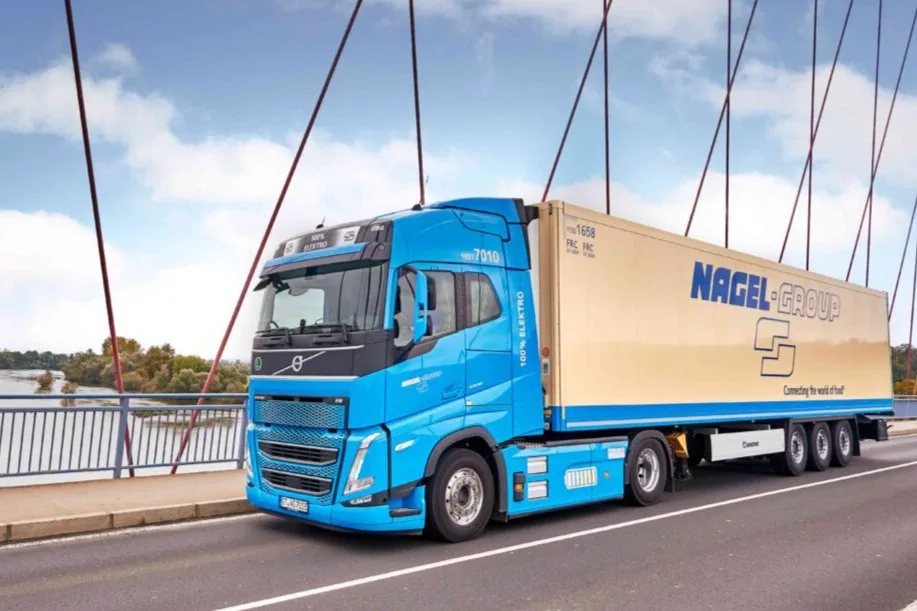
A prominent European logistics provider is significantly enhancing its operational capabilities by integrating twenty new electric trucks into its extensive delivery network. This aggressive fleet expansion is already underway, with the initial units now actively operating, marking a pivotal phase in the company’s broader electrification strategy. This strategic trajectory began as early as 2022, when the firm first deployed electric semi-trailer trucks, demonstrating a consistent commitment to sustainable logistics. The current phased rollout of these cutting-edge electric vehicles is planned meticulously throughout 2025, with the first wave having hit the roads in March, followed by additional deliveries anticipated in the second and fourth quarters of the year. For energy sector investors, such announcements are not merely corporate press releases; they are concrete indicators of diminishing conventional fuel consumption within vital industrial segments, directly impacting future demand projections for diesel.
Dissecting the New Electric Fleet: Range, Routes, and Real Impact
The expanded electric fleet introduces a sophisticated mix of vehicles meticulously chosen to address both regional distribution and long-haul food transportation requirements. Specifically, the additions comprise six Volvo FH Aero Electric trucks and fourteen Mercedes-Benz eActros 600 models, representing some of the most advanced offerings in the heavy-duty EV market. The Volvo units are strategically assigned to key operational hubs in Bochum, Borgholzhausen, and Hamburg, where they are projected to cover an impressive 150,000 kilometers annually per truck on regional routes. With an approximate range of 300 kilometers on a single charge, these vehicles are ideally suited for intensive daily operations, completing multiple runs without needing to return to base for refueling or recharging during shifts. In parallel, the Mercedes-Benz trucks, boasting a more extended range of approximately 500 kilometers per charge, will be strategically deployed across an even wider network of sites, including Borgholzhausen, Hamburg, Bochum, Gotha, and Groß-Gerau. The direct replacement of conventional diesel-powered equivalents with these high-capacity electric behemoths will incrementally yet consistently erode diesel demand, a metric closely monitored by oil market analysts and traders alike. The cumulative effect of these vehicles, traversing hundreds of thousands of kilometers annually, represents a tangible reduction in fossil fuel dependency for a significant logistics player.
Building the Backbone: Robust Charging Infrastructure as an Enabler
Recognizing that the efficacy of fleet electrification is intrinsically tied to the robustness of its supporting infrastructure, the logistics firm is making substantial, parallel investments in advanced charging capabilities. This forward-thinking approach has led to the establishment of state-of-the-art 400kW charging stations, featuring a total of twelve charging points distributed across four different strategic locations. These high-power facilities are not merely charging ports; they are integrated energy solutions. They leverage solar panels for on-site power generation, significantly reducing reliance on grid electricity and enhancing sustainability credentials. Furthermore, they incorporate intelligent charging and sophisticated load management systems designed to optimize energy use, prevent grid overload, and ensure efficient, cost-effective vehicle turnaround. Looking ahead to 2025, the company has concrete plans to install a comprehensive battery storage system at its Bochum site. This advanced energy storage solution is specifically designed to complement its existing photovoltaic roof system, enabling the firm to store surplus solar energy and deploy it during peak demand periods or when solar generation is low. This not only bolsters energy independence but also ensures a reliable and sustainable power supply for its rapidly expanding electric truck fleet, further insulating operations from conventional energy price volatility.
Broader Market Implications for Oil & Gas Investors
While this European logistics giant’s actions represent a single case study, its strategic direction offers a powerful microcosm of a much broader, accelerating trend. The commitment to electrification in heavy-duty transport, driven by corporate sustainability mandates, regulatory pressures, and increasingly favorable economics (lower operational costs, reduced maintenance), is gaining unstoppable momentum across industries. For oil and gas investors, this translates into a need for re-evaluating long-term demand forecasts for refined products, particularly diesel. Diesel has historically been a bedrock of industrial and commercial transportation demand, and even marginal erosion from large-scale fleet conversions can have significant cumulative effects on global balances. The continued advancement in battery technology, charging infrastructure, and total cost of ownership (TCO) for electric trucks suggests that this trend is not a fleeting one but a fundamental shift in energy consumption patterns. Investors should consider how oil majors and refiners are adapting their portfolios and strategies to this evolving landscape, from diversifying into renewable energy solutions to optimizing refining slates for potentially shifting product demand profiles. The electrification of heavy transport is no longer a distant prospect but a present reality, and its implications for the future of oil demand are becoming clearer with each new electric truck rolling onto the world’s roads.