Morocco’s Agricultural Resilience: A Foundation for Energy Investment Confidence
The global energy landscape is intricately linked to geopolitical stability and economic growth, making initiatives that bolster national resilience particularly noteworthy for investors. Morocco, a strategic player in North Africa, is set to receive a substantial financial injection from the African Development Bank (AfDB) – a €100 million (equivalent to approximately US$116.4 million) loan designed to invigorate its inclusive, solidarity-based agriculture program. While seemingly focused on a singular sector, this investment holds significant implications for Morocco’s broader economic stability, energy demand trajectory, and overall appeal to international capital, including within the critical oil and gas domain.
This strategic funding aims to empower women and youth, fortify food security, and enhance climate resilience within Morocco’s vital agricultural sector. For energy investors observing the region, understanding these foundational economic drivers is paramount. A nation with a robust, self-sufficient food supply and a resilient workforce presents a more stable and predictable environment for long-term energy infrastructure projects, exploration, and production investments. The AfDB’s commitment underscores confidence in Morocco’s developmental path, a sentiment that resonates positively across all investment sectors.
Cultivating Economic Stability and Future Energy Demand
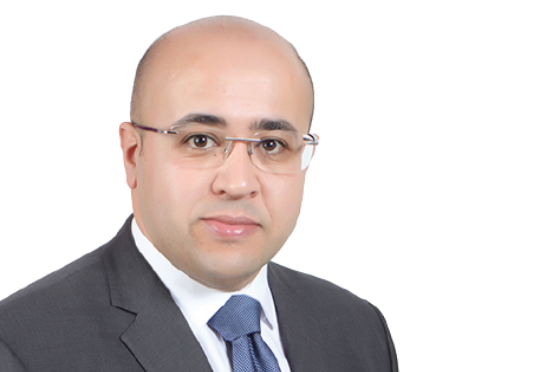
The AfDB’s initiative directly targets the stimulation of rural entrepreneurship, an endeavor that will create jobs and foster economic independence for women and young people across Morocco. Achraf Tarsim, head of the AfDB’s country office in Morocco, emphasized the priority placed on women with entrepreneurial ambitions in agriculture. He articulated a vision of building a modern, inclusive, and resilient agricultural sector capable of unlocking the full potential of those aspiring to innovate and create value. From an energy investment perspective, a growing, self-reliant rural economy translates into increased energy consumption for processing, transportation, and an overall improvement in living standards, driving predictable long-term energy demand.
The program will deploy tailored financing mechanisms, incentive structures, and enhanced technical and financial support systems. This comprehensive approach is designed to integrate women into local value chains, significantly boost productivity, and champion agro-processing and digital innovation within the agricultural sector. These advancements not only secure livelihoods but also necessitate a reliable and expanding energy supply, whether for machinery, irrigation, or processing facilities. Investors in the oil and gas sector, particularly those assessing downstream opportunities or long-term demand growth, should view these developments as a positive indicator of sustained economic momentum in the North African nation.
Fortifying Food Security and Climate Resilience: An Investment in Future Energy Stability
A core pillar of this AfDB loan is the strengthening of food security and climate resilience. The program specifically targets small-scale farmers, providing them with essential financing, technical assistance, and new infrastructure. Morocco’s agriculture sector, which contributes approximately 12% to the nation’s Gross Domestic Product (GDP) and employs nearly 30% of its workforce, remains vulnerable to climate variability due to its heavy reliance on rainfall. Mitigating this vulnerability is not merely an agricultural concern but a national economic imperative that profoundly impacts overall stability.
For energy investors, a nation that effectively manages its food supply and adapts to climate challenges presents a significantly lower risk profile. Climate-induced economic shocks can divert national resources, strain public finances, and potentially destabilize social structures – all factors that deter foreign direct investment in capital-intensive sectors like oil and gas. By proactively investing in climate-resilient agriculture, Morocco is fortifying its economic base, reducing the likelihood of such disruptions, and thereby creating a more attractive environment for long-term energy commitments. This strategic foresight underpins the confidence required for major investments in exploration, production, and energy infrastructure.
Strategic Alignment and Sectoral Interdependencies
The AfDB’s initiative aligns seamlessly with Morocco’s overarching strategic frameworks, including the forward-looking Green Generation 2020-2030 Strategy, the National Solidarity Agriculture Program, and the National Youth Entrepreneurship Program. This alignment signifies a coherent national vision that integrates various sectors for holistic development. The health of Morocco’s agricultural sector, as a significant economic contributor, directly influences the nation’s capacity to invest in other strategic areas, including its energy transition and infrastructure development.
A robust and resilient agricultural sector can free up national resources that might otherwise be allocated to disaster relief or food imports. These freed-up resources can then be channeled into critical energy projects, such as expanding renewable energy capacity, upgrading grid infrastructure, or even supporting domestic oil and gas exploration efforts. The interconnectedness of these sectors means that a successful agricultural program indirectly provides a stronger fiscal foundation for Morocco’s energy ambitions.
A Half-Century of Strategic Partnership: Implications for Energy Investors
This latest €100 million loan represents a continuation of a deep and enduring partnership between the African Development Bank and Morocco, spanning over five decades. During this extensive relationship, the AfDB has invested nearly €15 billion (approximately US$17.46 billion) across more than 180 projects. Crucially, these investments have spanned a diverse range of critical sectors, including infrastructure, water, social protection, governance, finance, and significantly, energy.
The AfDB’s consistent and substantial financial commitment to Morocco, including €254 million in 2023 alone for green transition and digital transformation efforts, sends a powerful signal to the global investment community. It highlights Morocco as a stable, reliable, and strategically important partner for international financial institutions. For oil and gas investors, such a long-standing, multi-sectoral partnership provides a strong indicator of a predictable regulatory environment, institutional stability, and a government committed to long-term development. This reduces perceived risks and enhances confidence for capital deployment in Morocco’s conventional and nascent renewable energy sectors.
Unlocking Morocco’s Broader Investment Potential
In summary, the AfDB’s substantial agricultural loan to Morocco, while focused on a specific sector, is far from an isolated initiative. It is an integral component of a comprehensive national strategy aimed at fostering economic resilience, social equity, and sustainable growth. For investors in the capital-intensive oil and gas industry, observing these foundational developments is crucial. A diversified and resilient economy, underpinned by strong social programs and food security, ultimately creates a more attractive and lower-risk environment for foreign direct investment.
Morocco’s proactive approach to development, supported by established international partners like the AfDB, positions it as a compelling market for energy sector stakeholders. The resulting economic stability and predictable growth in energy demand make Morocco an increasingly attractive destination for those looking to participate in the region’s energy evolution, from traditional hydrocarbons to the burgeoning renewable energy landscape.


