Pioneering Offshore Decarbonization: MODEC and Carbon Clean Forge Ahead with FPSO Carbon Capture
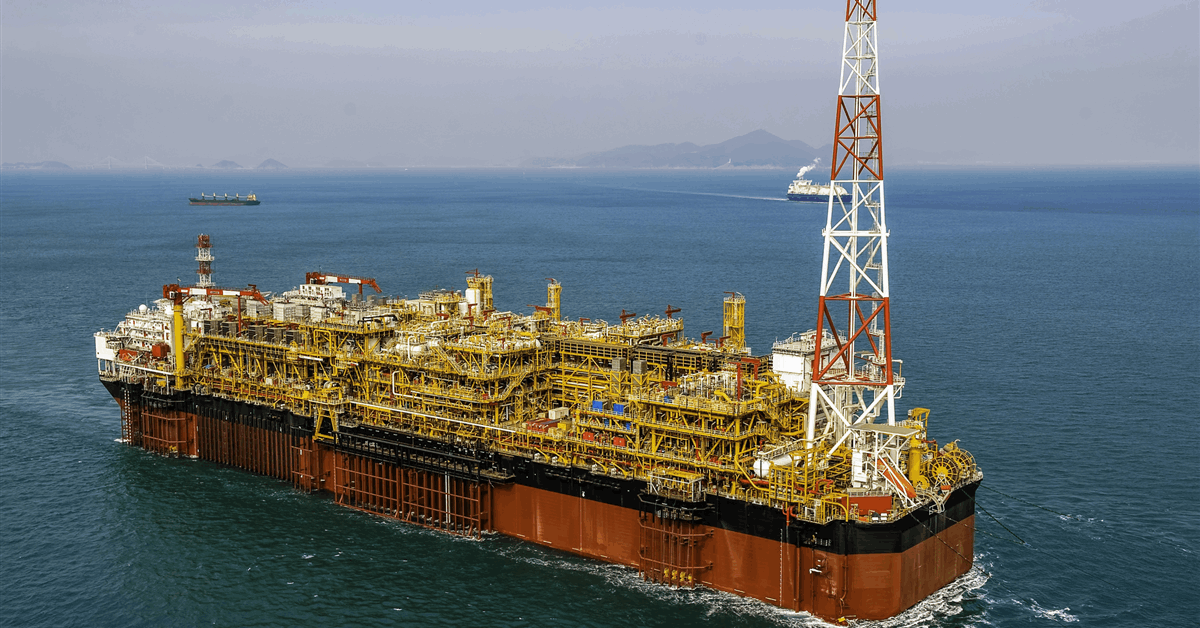
The global energy transition continues to reshape the operational landscape for oil and gas producers, with a strong imperative for decarbonization across all segments. In a significant development for the offshore sector, leading floating production, storage, and offloading (FPSO) specialist MODEC Inc. and innovative carbon capture technology provider Carbon Clean Solutions Ltd. have announced a robust partnership aimed at accelerating the deployment of advanced CO2 capture solutions directly onto FPSO vessels. This collaboration represents a crucial step towards mitigating emissions from one of the industry’s most vital offshore assets, offering a compelling narrative for investors focused on sustainable energy infrastructure.
Building upon an existing foundation, the two companies have formalized a Memorandum of Understanding (MOU) that solidifies their commitment to revolutionize offshore carbon management. This agreement follows an earlier successful collaboration where MODEC strategically selected Carbon Clean’s pioneering CycloneCC technology for a pilot installation. The new MOU is designed to establish a comprehensive framework for rapidly integrating Carbon Clean’s onboard carbon capture solution, optimized for MODEC’s well-established FPSO designs and stringent technical standards. This strategic alignment underscores the industry’s drive to embed decarbonization capabilities at the very heart of offshore production.
CycloneCC: A Game-Changer for Offshore Emissions Reduction
At the core of this partnership lies Carbon Clean’s proprietary CycloneCC technology, a modular, scalable, and prefabricated CO2 capture system that promises to overcome many of the traditional hurdles associated with carbon capture in space-constrained offshore environments. The technology leverages a Rotating Packed Bed (RPB) design, a critical innovation that significantly enhances performance, particularly under the dynamic motion inherent to FPSO operations. This robust design ensures operational stability and efficiency, an essential advantage for maritime applications where traditional column-based systems face considerable challenges.
The physical footprint and design of CycloneCC offer compelling benefits for FPSOs. Carbon Clean highlights that its solution requires 50 percent less space compared to conventional carbon capture technologies. Furthermore, the latest iteration, the C1 series within the CycloneCC lineup, achieves an impressive 70 percent reduction in height compared to older column-based systems. These compact dimensions are not merely an aesthetic advantage; they are critical for integration onto FPSO platforms where every square meter and every kilogram of weight directly impacts design, cost, and operational efficiency. For investors, this translates into a more viable and cost-effective pathway to decarbonization, potentially accelerating adoption across the global FPSO fleet.
Ambitious Deployment Roadmap and Scale-Up Targets
The MOU outlines an ambitious but clearly defined roadmap for commercializing onboard carbon capture for FPSOs. The immediate objective is to achieve a successful pilot plant installation on an operational FPSO facility by 2026. This initial phase will serve as a critical proving ground, validating the technology’s performance and integration capabilities in a real-world offshore setting. Success here will pave the way for the next crucial step: the first commercial-scale deployment.
This initial commercial phase targets the capture of up to 100,000 tonnes of CO2 per year, representing a significant stride towards partial decarbonization of an FPSO’s emissions profile. However, the vision extends much further. A subsequent scale-up phase aims to fully integrate CycloneCC directly into the fundamental design of new FPSO projects, enabling the capture of approximately 300,000 tonnes of CO2 annually. This full integration signifies a commitment to achieving comprehensive decarbonization, positioning FPSOs as cleaner, more sustainable assets within the global energy supply chain. Such large-scale capture capabilities present a clear value proposition for companies seeking to meet stringent environmental targets and enhance their ESG credentials.
Meeting Maritime Emissions Mandates and Industry Leadership
The timing of this collaboration is particularly pertinent given the escalating pressure from regulatory bodies, notably the International Maritime Organization (IMO), to reduce emissions across the maritime sector. As IMO’s emissions regulations continue to evolve and tighten, the need for scalable and viable solutions like CycloneCC becomes paramount. This technology offers FPSO operators a tangible pathway to not only comply with current and future mandates but to potentially exceed them, demonstrating leadership in environmental stewardship.
Aniruddha Sharma, Chairman and CEO of Carbon Clean, emphasized the groundbreaking nature of this agreement, stating that MODEC is setting a new benchmark for FPSO development. He highlighted the potential for this partnership to establish a precedent for the broader maritime industry, showcasing how onboard carbon capture can achieve substantial emissions reductions well before the end of this decade. This proactive approach by MODEC and Carbon Clean positions them at the forefront of the industry’s decarbonization efforts, attracting attention from investors keen on companies that are future-proofing their operations against tightening environmental policies.
Investment Implications and Market Outlook
For investors tracking the oil and gas sector, this collaboration presents several compelling angles. Firstly, it signals a tangible commitment from key industry players to invest in and deploy decarbonization technologies, a critical factor for ESG-conscious portfolios. The successful implementation of carbon capture on FPSOs could unlock significant value by extending the operational life of existing assets and enhancing the attractiveness of new projects in a carbon-constrained world.
Furthermore, the modular and scalable nature of CycloneCC suggests a strong potential for wider adoption across the global FPSO fleet, creating a substantial market opportunity for Carbon Clean. The involvement of SAMSUNG E&A, contracted by MODEC in February to optimize CycloneCC for an FPSO vessel under the pilot installation project, further validates the engineering viability and serious intent behind this initiative. This multi-party collaboration underscores a concerted industry effort to bring these solutions to fruition. As the cost of carbon emissions continues to rise and the demand for low-carbon energy intensifies, technologies that enable cleaner production processes will command a premium, benefiting innovators and early adopters alike.
Conclusion
The strategic alliance between MODEC and Carbon Clean represents a pivotal moment in the journey towards a more sustainable offshore energy industry. By leveraging cutting-edge carbon capture technology and MODEC’s extensive FPSO expertise, this partnership is not just addressing environmental challenges but is actively shaping the future of offshore production. For savvy investors, this initiative offers a clear demonstration of how innovation and collaboration are driving the energy transition, creating new opportunities in a rapidly evolving market landscape where environmental performance is increasingly synonymous with financial resilience and long-term value creation.