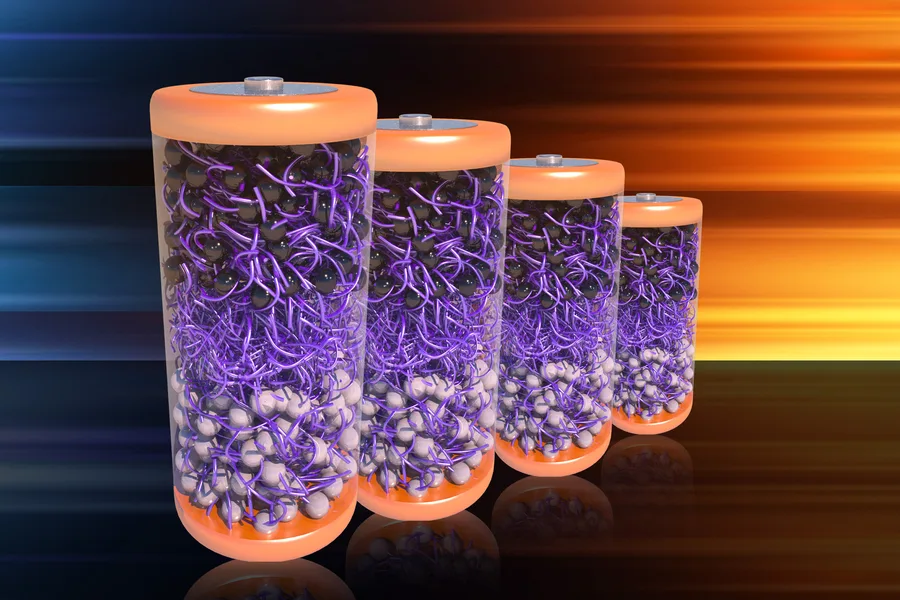
The energy transition narrative continues to evolve at a rapid pace, with innovations in renewable technologies constantly reshaping the future demand landscape for traditional hydrocarbons. A recent breakthrough from MIT researchers, detailing a new recyclable battery electrolyte, underscores this accelerating shift. This development, which promises to make electric vehicle (EV) batteries significantly easier to disassemble and recycle, is not just a win for environmental sustainability but a crucial enabler for scaling EV adoption to levels that will fundamentally alter global energy consumption patterns. For investors navigating the complex currents of the oil and gas markets, understanding the implications of such technological advancements is paramount, especially when juxtaposed against immediate market volatility and forthcoming supply-side decisions.
The Circular Economy Catalyst: MIT’s Recyclable Battery Innovation
The core of MIT’s innovation lies in a novel solid-state electrolyte designed from aramid amphiphiles (AAs), molecules that mimic the robust chemical stability of Kevlar. By modifying these AAs with polyethylene glycol, researchers have created a material capable of effectively shuttling lithium ions between common electrode materials such as lithium iron phosphate (cathode) and lithium titanium oxide (anode). The truly transformative aspect, however, is the electrolyte’s ability to “disassemble” within minutes when immersed in simple organic solvents, akin to cotton candy dissolving in water. This feature allows for the easy recovery of battery components, addressing one of the most significant bottlenecks in widespread EV adoption: sustainable end-of-life management for lithium-ion cells.
As Yukio Cho, one of the lead researchers, emphasizes, the approach fundamentally shifts battery design philosophy from a “performance-first, recycling-later” model to one where recyclability is baked in from the outset. While not a complete replacement for conventional electrolytes, the material’s potential as a recyclable layer within battery structures could kickstart large-scale recycling operations. This has profound implications for global lithium supply chains, with Cho suggesting that efficient recycling could have an impact “the same effect as opening lithium mines in the US.” For investors, this signals a future where critical raw material supply for EVs is more secure, less susceptible to geopolitical risks, and environmentally less impactful, paving a smoother road for the continued expansion of the EV market and, by extension, a contraction in future oil demand.
Current Market Headwinds and the Long-Term Energy Transition Signal
While the long-term trajectory points towards electrification, the short-term reality for oil markets presents a more volatile picture. As of today, Brent Crude trades at $90.38, reflecting a notable decline of 9.07% within the day, with its range spanning from $86.08 to $98.97. Similarly, WTI Crude has seen a sharp dip to $82.59, down 9.41% today. This recent downturn extends a broader trend, with Brent having fallen from $112.78 on March 30th to $91.87 just yesterday, marking an 18.5% decrease over the past two weeks. Gasoline prices have followed suit, currently at $2.93, down 5.18%.
This immediate market weakness prompts critical questions from our readers, such as “what do you predict the price of oil per barrel will be by end of 2026?” The answer isn’t simple, as it involves a tug-of-war between short-term supply-demand dynamics and the persistent, structural shifts driven by energy transition technologies like MIT’s recyclable battery. While current price movements might reflect concerns over global economic growth, inventory builds, or geopolitical tensions, the underlying trend of accelerating EV adoption, fueled by advancements in battery sustainability, continues to put downward pressure on future oil demand forecasts. This creates a challenging environment for traditional oil and gas producers, who must navigate immediate market swings while strategically positioning themselves for a fundamentally transformed energy landscape.
Upcoming Catalysts and Investor Focus on Future Demand
The immediate future holds several key events that will influence oil market sentiment. The OPEC+ Joint Ministerial Monitoring Committee (JMMC) meets today, April 18th, followed by the full OPEC+ Ministerial Meeting tomorrow, April 19th. These meetings are crucial, as investor questions like “What are OPEC+ current production quotas?” indicate a strong focus on how the cartel plans to manage supply amidst current price weakness. Any decisions on production adjustments will undoubtedly impact oil prices in the coming days and weeks.
Further short-term data points will come from the API Weekly Crude Inventory on April 21st and the EIA Weekly Petroleum Status Report on April 22nd, providing insights into US supply and demand. The Baker Hughes Rig Count on April 24th will offer a glimpse into upstream activity. While these events are critical for understanding near-term market movements, investors must also look beyond them to the secular trends. The ability to efficiently recycle EV batteries removes a major hurdle for widespread adoption, pushing the timeline for peak oil demand closer. Therefore, while short-term supply management by OPEC+ can influence prices, the long-term trajectory is increasingly shaped by technological advancements that fundamentally reduce the need for fossil fuels, making the question of “how well do you think Repsol will end in April 2026” not just about current market conditions but also about their adaptation to a changing energy paradigm.
Investment Implications: Diversification Beyond Hydrocarbons
For investors primarily exposed to the oil and gas sector, the MIT battery breakthrough serves as another potent reminder of the imperative to diversify and adapt. The notion of a “circular supply chain” for lithium-ion batteries, enabled by easier recycling, accelerates the viability and attractiveness of the entire EV ecosystem. This doesn’t just impact automotive manufacturers but also extends to raw material suppliers, chemical companies involved in recycling processes, and energy companies expanding into charging infrastructure or battery storage solutions.
Traditional oil and gas majors are increasingly making strategic investments in renewable energy, hydrogen, and carbon capture technologies. Innovations like the MIT battery validate these diversification efforts by signaling a clearer path for the energy transition. Investment opportunities are emerging not just in the production of lithium, cobalt, and nickel, but crucially, in the technologies and infrastructure required to recover and reuse these materials. Companies that can bridge the gap between hydrocarbon expertise and the demands of the new energy economy, by investing in advanced materials, recycling facilities, or green energy infrastructure, are likely to be best positioned to navigate the structural shifts that innovations like the recyclable battery electrolyte herald. The long-term investment thesis increasingly favors those who can pivot effectively from fueling the world’s past to powering its future.


