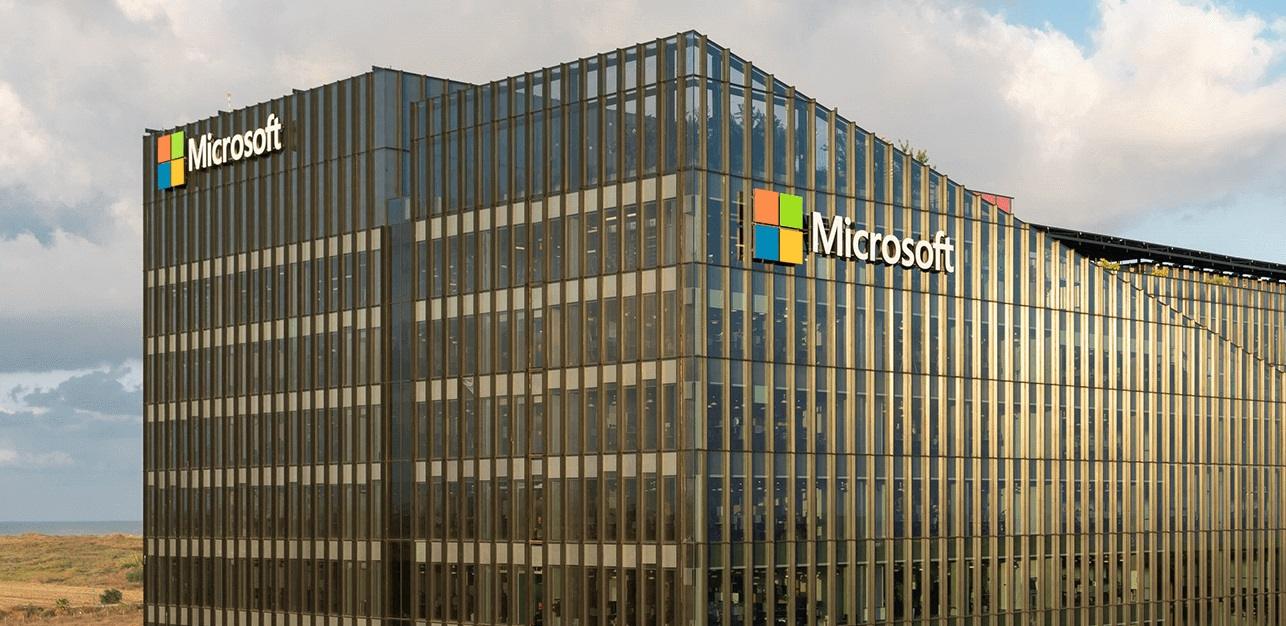
Microsoft’s latest commitment to procure 4.8 million nature-based carbon removal credits over the next decade marks a significant inflection point in the evolving energy investment landscape. This substantial agreement with Anew Climate and Aurora Sustainable Lands, focused on Improved Forest Management (IFM) across U.S. forestlands, isn’t just another ESG headline; it’s a powerful signal to investors about the escalating demand for high-integrity, verifiable carbon offsets. For those navigating the complexities of traditional oil and gas markets, this deal highlights the growing financial muscle behind decarbonization efforts, presenting both new challenges and compelling opportunities that demand immediate attention.
The Expanding Frontier of Corporate Decarbonization
The new agreement between Microsoft, Anew Climate, and Aurora Sustainable Lands signifies a deepening commitment to nature-based climate solutions. This 4.8 million-ton deal, spanning ten years, is particularly noteworthy as it represents the second such partnership between the trio, building on an earlier 970,000-ton agreement. Aurora Sustainable Lands, a joint venture backed by prominent equity investors including Oak Hill Advisors, AB CarVal, EIG, and GenZero, distinguishes itself by acting as both landowner and operator. Managing over 1.7 million acres of U.S. forestland, previously subject to industrial logging, Aurora employs a sophisticated carbon stewardship strategy to maximize natural carbon removal. The integrity of these credits is further bolstered by Anew’s proprietary Epoch Evaluation Platform, which leverages machine learning, high-resolution satellite imagery, drone data, and ground measurements for location-specific tracking and validation. This technical rigor, coupled with the sheer scale of protecting over 425,000 acres across multiple states, sets a benchmark for the quality and durability that major corporations like Microsoft are now demanding in their decarbonization portfolios.
Navigating Volatility: Carbon Markets vs. Crude Dynamics
For investors accustomed to the inherent volatility of traditional energy commodities, the long-term contractual nature of carbon removal deals offers a compelling contrast. As of today, Brent crude trades at $95.8, posting a modest gain of 1.07% within a day range of $91-$96.89. WTI crude also saw an uptick, reaching $92.9, up 1.77% on the day. However, this immediate stability masks recent fluctuations; our data indicates Brent crude has trended downwards by approximately $9, or 8.8%, over the past 14 days, falling from $102.22 on March 25th to $93.22 on April 14th. This recent price softening, alongside the typical day-to-day and week-to-week swings, underscores the constant challenge of forecasting crude prices. In stark contrast, agreements like Microsoft’s offer predictable, long-term revenue streams for carbon project developers and a stable asset class for investors seeking diversification away from the direct exposure to geopolitical events and supply-demand imbalances that characterize the oil markets. The consistent demand from major tech players signals a growing, independent market driver for carbon assets.
Strategic Implications for Energy Investors
Our internal reader intent data reveals that investors are keenly focused on core questions like building a base-case Brent price forecast for the next quarter, understanding Chinese refinery throughput, and analyzing Asian LNG spot prices. These questions highlight a persistent hunger for clarity and reliable returns in an often unpredictable energy sector. Microsoft’s multi-million ton carbon deal offers a crucial piece of the puzzle for a diversified investment strategy. The significant capital commitment from institutional players like Oak Hill Advisors and EIG into Aurora Sustainable Lands demonstrates that sophisticated investors are increasingly recognizing the strategic value of high-quality carbon removal platforms. This isn’t merely a philanthropic endeavor for corporations; it’s a strategic imperative to manage climate risk, meet stakeholder expectations, and secure a social license to operate. For oil and gas investors, this means evaluating opportunities in companies providing verifiable carbon solutions, or even considering how traditional energy firms can adapt their strategies to participate in this rapidly expanding market, thereby hedging against future carbon liabilities and regulations.
Future Outlook: Catalysts and Carbon Market Trajectory
The convergence of traditional energy market events and the accelerating development of carbon markets presents a fascinating dynamic for investors. As we approach a busy period for the traditional energy markets, with the Baker Hughes Rig Count due on April 17th and 24th, and critical OPEC+ meetings scheduled for April 18th and 20th, the immediate focus for many investors remains on crude supply and demand fundamentals. These events will undoubtedly influence short-term price movements and shape the immediate outlook for petroleum products, including gasoline, which currently trades at $3.03. However, alongside these traditional catalysts, the long-term trajectory of carbon markets is being reshaped by landmark agreements like Microsoft’s. This deal, following another 2.6 million-ton soil-based carbon agreement Microsoft inked earlier this week, underscores a clear trend: major corporations are not only committed to decarbonization but are actively seeking to innovate and scale high-integrity solutions. This sets a new standard for nature-based carbon removals, fostering an environment ripe for further institutional investment, technological advancements, and the potential for a more standardized, transparent, and liquid carbon credit market in the years to come. Investors should monitor these developments closely, as they will dictate the next wave of capital deployment in the broader energy transition.


