Microsoft’s Landmark Carbon Deal Signals New Era for Climate Finance
A transformative agreement between Microsoft and Rubicon Carbon has sent significant ripples through the global carbon markets, underscoring the escalating commitment of corporate giants to climate action and the burgeoning financial viability of carbon removal projects. This monumental framework deal, involving the purchase of 18 million tonnes of high-quality, nature-based carbon removal credits, stands as one of the largest single-buyer commitments ever recorded, establishing a critical benchmark for long-term demand in the evolving energy transition landscape.
For investors accustomed to the traditional oil and gas sector, this development highlights the expanding scope of energy-related finance and the increasing relevance of sustainable investing. The agreement is not merely a transaction; it represents a strategic maneuver designed to catalyze substantial private capital deployment into climate-positive infrastructure, offering a blueprint for how financial markets can actively address climate change while simultaneously generating robust financial returns.
Anchoring Long-Term Demand with Significant Scale
At the core of this landmark collaboration lies a commitment structured to deliver 18 million tonnes of carbon removal over a substantial timeframe. Each individual transaction under the framework will feature a 15- to 20-year offtake period. This extended duration is a crucial element, providing the long-term certainty necessary to de-risk and attract significant investment into a global portfolio of Afforestation, Reforestation, and Revegetation (ARR) projects. These nature-based solutions are vital for sequestering atmospheric carbon, and the scale of Microsoft’s commitment signals an unparalleled level of confidence in their efficacy and scalability.
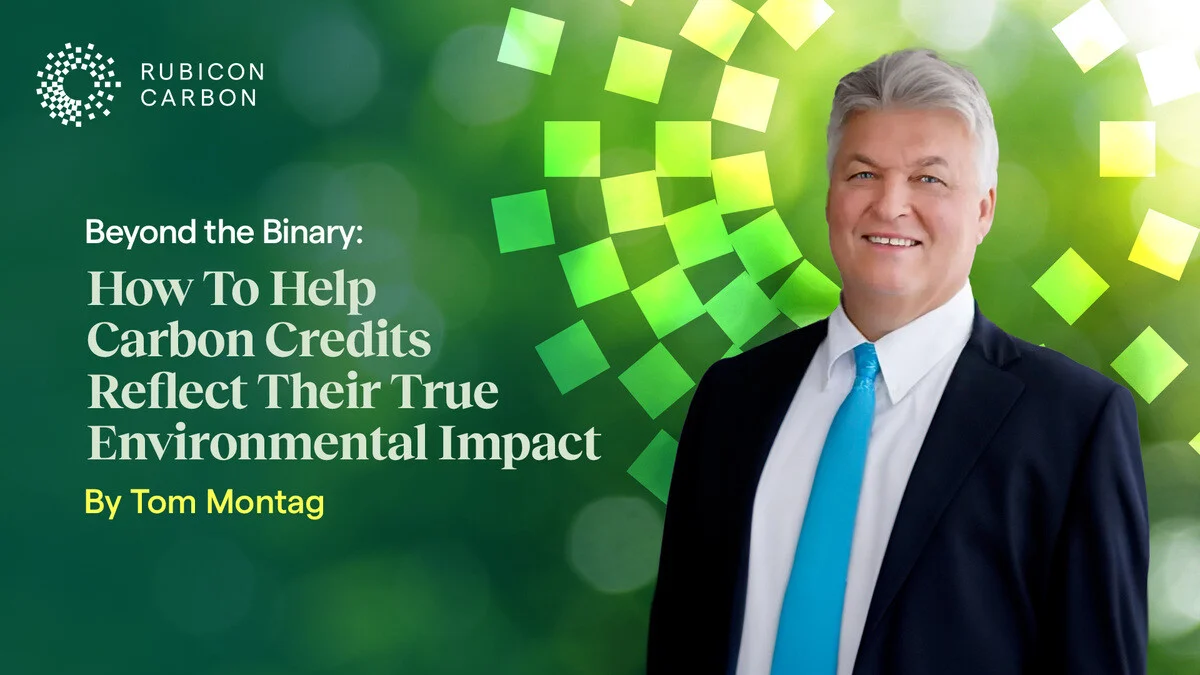
Industry observers and investors recognize this as a pivotal moment. Such large-scale, long-duration commitments fundamentally alter the risk profile for project developers and financial institutions considering investments in the voluntary carbon market (VCM). Tom Montag, CEO of Rubicon Carbon, articulated this sentiment, emphasizing that tackling climate change necessitates “capital deployment at scale.” He framed the collaboration as a potential model for the financial sector to meet urgent environmental demands while also realizing strong financial performance.
Unlocking Infrastructure-Grade Investment
The deal’s structure is intentionally designed to mobilize private capital, moving beyond speculative investment to foster “infrastructure-grade investment” in carbon removal. Brian Marrs, Senior Director of Energy & Carbon Removal at Microsoft, highlighted the critical role of project finance within the VCM. By signaling sustained, long-term demand for carbon removal, Microsoft’s commitment directly addresses one of the primary hurdles for scaling up climate solutions: securing predictable revenue streams for projects that often require substantial upfront capital and have long payback periods.
This approach effectively bridges the gap between nascent carbon projects and the institutional investors seeking stable, long-term assets. For energy investors exploring diversification or exposure to the energy transition, understanding how these long-term offtake agreements function is paramount. They create a powerful incentive for developers to initiate and expand high-integrity projects, confident in a buyer for their future carbon credits. This stability is essential for attracting pension funds, infrastructure funds, and other institutional players who typically shy away from perceived volatility.
Elevating Quality and Transparency in Carbon Markets
A significant aspect of the Microsoft-Rubicon collaboration involves the co-development of a new, rigorous evaluation framework. This framework integrates Microsoft’s deep scientific criteria and quality standards with Rubicon’s robust due diligence protocols. The aim is to ensure that the carbon removal credits purchased are of the highest integrity, a crucial factor in building trust and credibility within the often-scrutinized carbon market.
Rubicon Carbon will leverage this framework to source, vet, and continuously monitor ARR projects globally, with a particular focus on initiatives that, despite showing high potential for scale, have historically been underfunded. This emphasis on quality and transparency is vital for the maturation of carbon markets as a reliable financial asset class. It helps to mitigate concerns around “greenwashing” and ensures that capital is directed towards projects delivering genuine, verifiable climate benefits. For investors, a clear, science-backed framework reduces risk and increases the attractiveness of carbon credits as a legitimate component of a diversified portfolio.
Strategic Implications for the Broader Energy Landscape
This agreement extends far beyond the direct participants, sending a powerful signal to the broader market. It underscores the increasing strategic importance of carbon removal for corporations aiming to achieve ambitious net-zero targets. For oil and gas companies navigating the energy transition, understanding such corporate climate strategies becomes increasingly critical. These commitments drive innovation, establish new market mechanisms, and create new investment opportunities that were previously niche or nonexistent.
Jim Coulter, Founding Partner of TPG and Managing Partner at TPG Rise Climate, commented on Rubicon Carbon’s mission, stating that the company was launched “to catalyze high-quality carbon projects at scale.” This agreement with Microsoft represents a significant milestone in delivering “innovative, market-based solutions.” The collaborative spirit and commitment to scale demonstrated by this deal are precisely what is needed to accelerate decarbonization efforts globally.
In conclusion, Microsoft’s substantial commitment to carbon removal through this landmark deal with Rubicon Carbon marks a defining moment for climate finance and the voluntary carbon market. It validates carbon credits as a serious financial asset class, capable of attracting infrastructure-grade investment. For investors across the energy spectrum, this development signals a clear shift: climate solutions are no longer just an environmental imperative but a rapidly maturing economic opportunity where financial returns and ecological responsibility converge. This deal will undoubtedly serve as a critical reference point for future corporate climate strategies and investment decisions in the evolving global energy economy.