Microsoft’s AI Revolution: A Catalyst for Oil & Gas Profit Growth
The oil and gas industry stands on the precipice of a significant digital transformation, with artificial intelligence emerging as a pivotal force for enhancing operational efficiency, optimizing workflows, and ultimately, driving profit growth. Recent developments at Microsoft, detailed in an internal memo, reveal ambitious plans for advanced AI tools, including a new “Tenant Copilot” and a broader “Agent Factory” vision, poised to reshape how corporate users manage their vast data and empower their human workforces. For investors monitoring the energy sector, understanding these technological shifts is crucial for identifying future leaders and assessing long-term value.
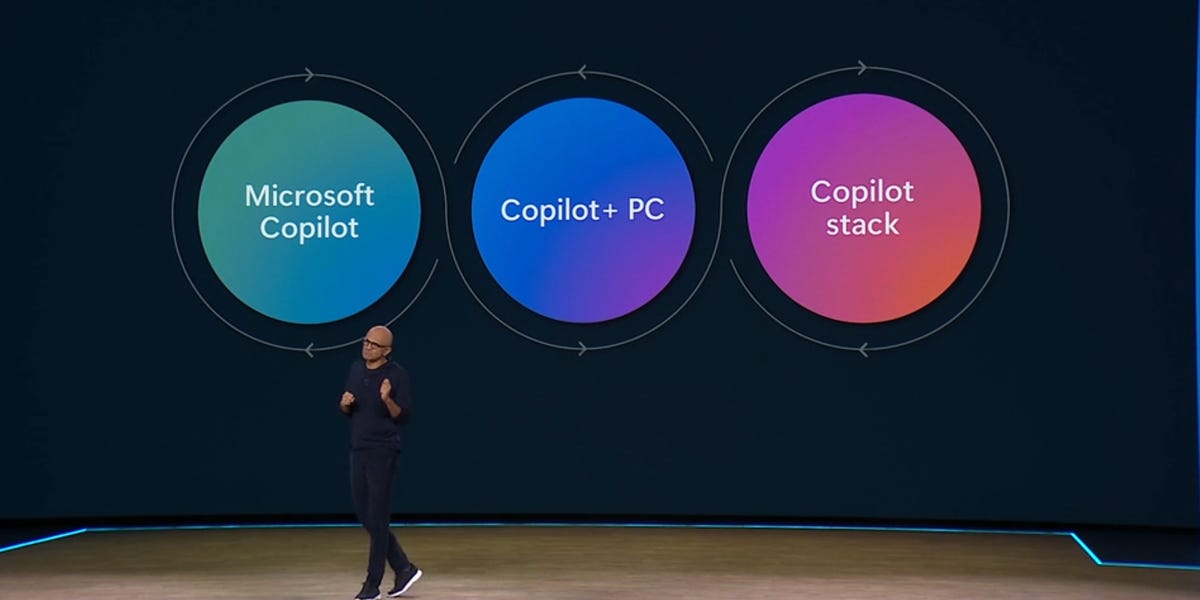
Reports indicate that Microsoft is preparing to unveil its groundbreaking “Tenant Copilot” at an upcoming developer conference. This innovative AI solution, stewarded by the team behind the ubiquitous Microsoft 365 business suite, is designed to imbue an organization’s internal knowledge into a highly intelligent Copilot. The objective is for this AI to “talk,” “think,” and “work” in a manner consistent with the corporate entity itself, effectively becoming a digital extension of the enterprise’s collective intelligence.
Unlocking Corporate Intelligence with Tenant Copilot
At its core, Tenant Copilot aims to harness the wealth of information residing within a company’s Microsoft 365 environment. A “tenant” refers to a corporate subscriber to the Microsoft 365 suite, meaning this new AI will have secure access to an organization’s proprietary data, communications, and documents. This direct access allows the Copilot to deeply understand the company’s operational nuances, historical data, and strategic objectives. For the capital-intensive oil and gas sector, where data silos and complex legacy systems often hinder agility, an AI capable of rapidly consolidating and interpreting this information represents a monumental leap forward.
The technical sophistication underpinning Tenant Copilot is noteworthy. According to an April 14 email from Microsoft executive Jay Parikh, the system employs a multi-faceted AI approach. Supervised fine-tuning techniques are utilized to “capture a tenant’s voice,” ensuring the AI’s communication style and responses align with the company’s brand and internal culture. Furthermore, the Copilot will leverage OpenAI’s advanced o3 reasoning model to “shape its thought process,” enabling sophisticated problem-solving and analytical capabilities. Finally, “agentic” fine-tuning is incorporated to “empower real-world tasks,” suggesting the AI will not merely provide insights but also facilitate actionable outcomes within the corporate ecosystem.
The “Agent Factory” Vision: Augmenting the Energy Workforce
Beyond the immediate scope of Tenant Copilot, Microsoft harbors grander “Agent Factory” ambitions. This vision entails developing comprehensive frameworks for corporate clients to seamlessly integrate and manage AI agents alongside their human employees. Imagine a scenario where AI agents autonomously handle routine data analysis, compliance checks, or even preliminary engineering calculations, freeing human experts to focus on complex problem-solving, strategic planning, and innovation. For oil and gas companies grappling with talent shortages, aging infrastructure, and escalating regulatory demands, such a paradigm shift could dramatically enhance productivity and reduce operational overhead.
The potential for AI agents to augment the energy workforce spans across the entire value chain. In upstream operations, AI can optimize seismic data interpretation, predict equipment failures on drilling rigs, or refine reservoir models for enhanced oil recovery. Midstream companies could deploy AI agents for predictive pipeline maintenance, optimizing logistics for crude and gas transport, and ensuring supply chain resilience. Downstream, AI can revolutionize refinery optimization, demand forecasting for refined products, and inventory management. The “Agent Factory” concept promises a future where human ingenuity is amplified by intelligent digital assistants, leading to unprecedented levels of operational excellence and cost efficiency.
Strategic Implications for Oil & Gas Investors
The introduction of such advanced AI capabilities holds profound implications for oil and gas companies and their investors. Early adopters who successfully integrate Tenant Copilot and similar AI agents into their operations are likely to gain a significant competitive advantage. This advantage will manifest through:
- Enhanced Decision-Making: Access to consolidated, AI-analyzed data will empower executives and engineers to make faster, more informed decisions, from capital allocation to operational adjustments.
- Cost Reduction: Automation of routine tasks, predictive maintenance, and optimized resource allocation will directly translate into lower operating expenses.
- Increased Efficiency: Streamlined workflows and proactive problem-solving will boost productivity across all business units.
- Improved ESG Performance: AI can aid in monitoring emissions, optimizing energy consumption, and ensuring compliance with environmental regulations, bolstering a company’s ESG profile.
- Innovation Acceleration: By automating mundane tasks, human talent can be redirected towards research, development, and groundbreaking innovation within the energy transition.
Microsoft’s CoreAI applied engineering team is reportedly collaborating on a “go-to-market plan for top-tier customers” to drive successful adoption of its AI cloud solutions. This indicates a strategic focus on engaging major enterprises, including those in the energy sector, to pilot and implement these transformative technologies. Companies that embrace these advanced AI tools early are not just modernizing; they are fundamentally reshaping their business models for sustained profitability in an increasingly complex global energy market.
Looking Ahead: The AI-Powered Energy Future
While Microsoft has not publicly commented on these specific details, the planned public preview of Tenant Copilot at the upcoming Build conference, as indicated in the internal memo, suggests these advancements are nearing commercial readiness. Investors in the oil and gas space should closely monitor the adoption rates and demonstrated successes of these AI tools. Companies that strategically invest in integrating such powerful AI capabilities will likely distinguish themselves through superior financial performance, operational resilience, and a stronger position in the evolving energy landscape. The marriage of cutting-edge AI with the foundational industry of oil and gas is not just an incremental improvement; it’s a strategic imperative for future profit growth and competitive dominance.