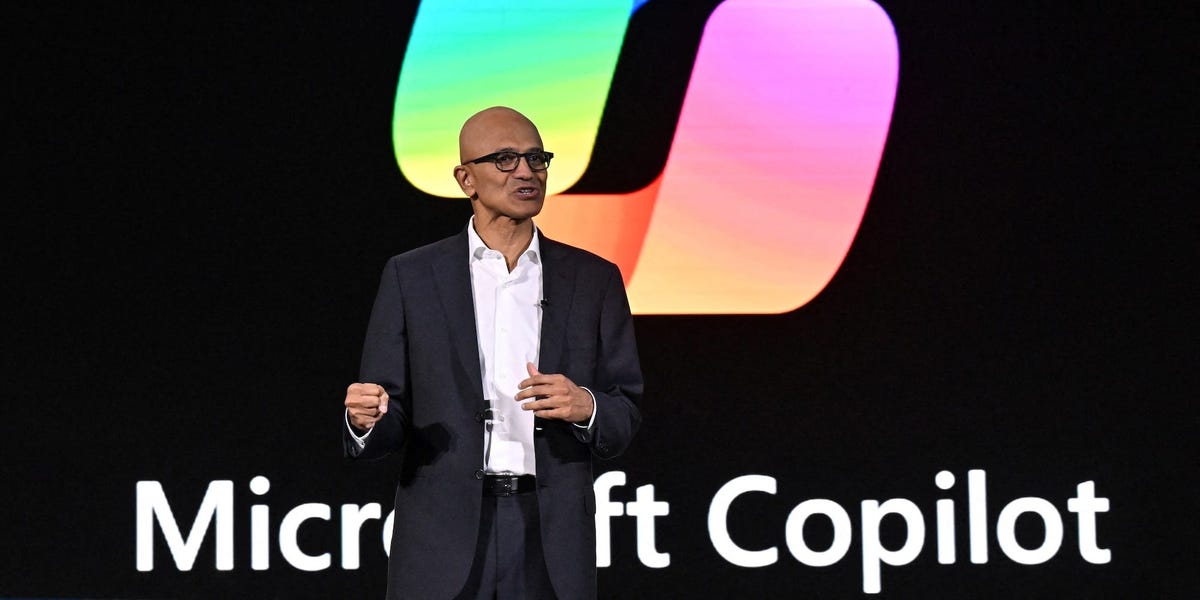
Navigating the AI Hype Cycle: Investor Vigilance as Microsoft’s Copilot Branding Faces Scrutiny
In the rapidly evolving landscape of artificial intelligence, tech giants are racing to brand and integrate their AI capabilities across product portfolios. Microsoft, a pivotal player in the enterprise software space and a bellwether for market sentiment, finds itself under the microscope regarding its pervasive “Copilot” branding strategy. For investors keenly observing market trends and corporate governance, recent findings from a prominent advertising watchdog warrant close attention, offering insights into potential pitfalls of overzealous marketing in high-growth sectors.
Microsoft’s journey with product nomenclature has historically been a challenging one, often characterized by a bewildering array of names and frequent revisions that leave customers struggling to keep pace. This internal struggle became fodder for a viral employee video, humorously suggesting that if Microsoft had developed the iconic iPod, it would have been saddled with a cumbersome moniker like the “Microsoft I-pod Pro 2005 XP Human Ear Professional Edition with Subscription.” Today, a similar sentiment echoes through the corridors and among users, centered on the company’s aggressive application of the “Copilot” label to virtually every AI-powered feature. An insider, speaking late last year, articulated this pervasive approach, stating, “There is a delusion on our marketing side where literally everything has been renamed to have Copilot it in… Everything is Copilot. Nothing else matters. They want a Copilot tie-in for everything.” This strategy, while aiming for brand unity, risks diluting clarity and fostering consumer confusion, a critical factor for enterprise adoption and, consequently, long-term shareholder value.
Advertising Watchdog Flags “Universal Copilot” for Consumer Confusion
The Better Business Bureau’s National Advertising Division (NAD) has recently weighed in, conducting a comprehensive review of Microsoft’s promotional materials for its suite of Copilot AI tools. The NAD’s report specifically highlighted Microsoft’s “universal use of the product description as ‘Copilot,'” cautioning that “consumers would not necessarily understand the difference” between various offerings. This finding is particularly pertinent for investors assessing Microsoft’s market positioning and the efficacy of its AI rollout. The NAD’s detailed email to Business Insider elaborated on this concern: “Microsoft is using ‘Copilot’ across all Microsoft Office applications and Business Chat, despite differences in functionality and the manual steps that are required for Business Chat to produce the same results as Copilot in a specific Microsoft Office app.” This suggests a potential disconnect between marketing claims and actual user experience, which could impact customer satisfaction and retention, crucial metrics for any technology investment.
While the NAD refrained from issuing specific directives on product naming conventions, its recommendations extended to the modification of certain advertising claims. Of particular note was the critique of Microsoft’s assertion that Copilot works “seamlessly across all your data.” The watchdog clarified that the various tools unified under the Copilot banner do not, in fact, operate with the continuous, integrated functionality that consumers might reasonably expect. For instance, achieving identical results between Copilot in Business Chat and Copilot in applications like Word or PowerPoint often necessitates manual intervention, requiring users to copy and paste text-based responses into the relevant program. This finding underscores the importance of clear, verifiable claims, especially in the competitive AI software market, where perceived ease of use and genuine integration are key differentiators for enterprise clients and, by extension, investment attractiveness.
Scrutiny on Productivity Claims and Investor Due Diligence
Beyond branding and integration, the NAD also cast a critical eye on Microsoft’s claims regarding user productivity gains. The watchdog advised Microsoft to either discontinue or substantially modify advertising that touts impressive statistics, such as “Over the course of 6, 10, and more than 10 weeks, 67%, 70%, and 75% of users say they are more productive.” The NAD’s concern stems from the survey’s reliance on user perception rather than concrete, measurable increases in actual productivity. For investors, this distinction is vital. While perceived benefits can drive initial adoption, sustainable value creation requires demonstrable, quantifiable improvements in efficiency and output. Companies, especially those operating at Microsoft’s scale and influence, are increasingly expected to back their market-moving claims with robust, independently verifiable data. This incident serves as a reminder for shareholders to exercise rigorous due diligence, scrutinizing the methodology behind reported performance metrics.
Microsoft’s Stance and Continued Market Traction
In response to the NAD’s findings, Jared Spataro, Microsoft’s chief marketing officer for AI at Work, affirmed the company’s commitment to “provide clear, transparent, and accurate information to our customers.” Spataro reiterated that enterprises are selecting Microsoft 365 Copilot because it delivers “measurable value, securely and at scale.” He also highlighted strong market momentum, noting a “record number of customers” returning to expand their Microsoft 365 Copilot deployments last quarter, alongside a continuous increase in deal sizes. Spataro cited significant enterprise adoption, including Barclays’ rollout of Copilot to 100,000 employees and Dow’s identification of potential savings amounting to millions, asserting that “the data speaks for itself.” While a Microsoft spokesperson indicated disagreement with the NAD’s conclusions, the company’s public statement emphasizes its dedication to transparency and delivering tangible benefits.
Investor Implications: Balancing Innovation with Clarity
For investors monitoring the broader technology sector and its impact on industries, including energy companies undergoing massive digital transformation, this episode offers a valuable case study. Microsoft’s aggressive push into AI, while strategically sound, is encountering challenges on the clarity and transparency front. The NAD’s intervention underscores the growing importance of precise communication and verifiable claims in the high-stakes AI arena. While Microsoft boasts impressive customer uptake and substantial deal growth, the scrutiny over its branding and advertising claims highlights potential risks to market perception and long-term trust if not addressed effectively. Investors must weigh the company’s significant market traction against the need for unambiguous product messaging and substantiated performance metrics. In an era where AI innovation drives much of the market’s enthusiasm, maintaining a clear, consistent narrative is paramount for sustaining investor confidence and ensuring that technological advancements translate into tangible, understandable value.