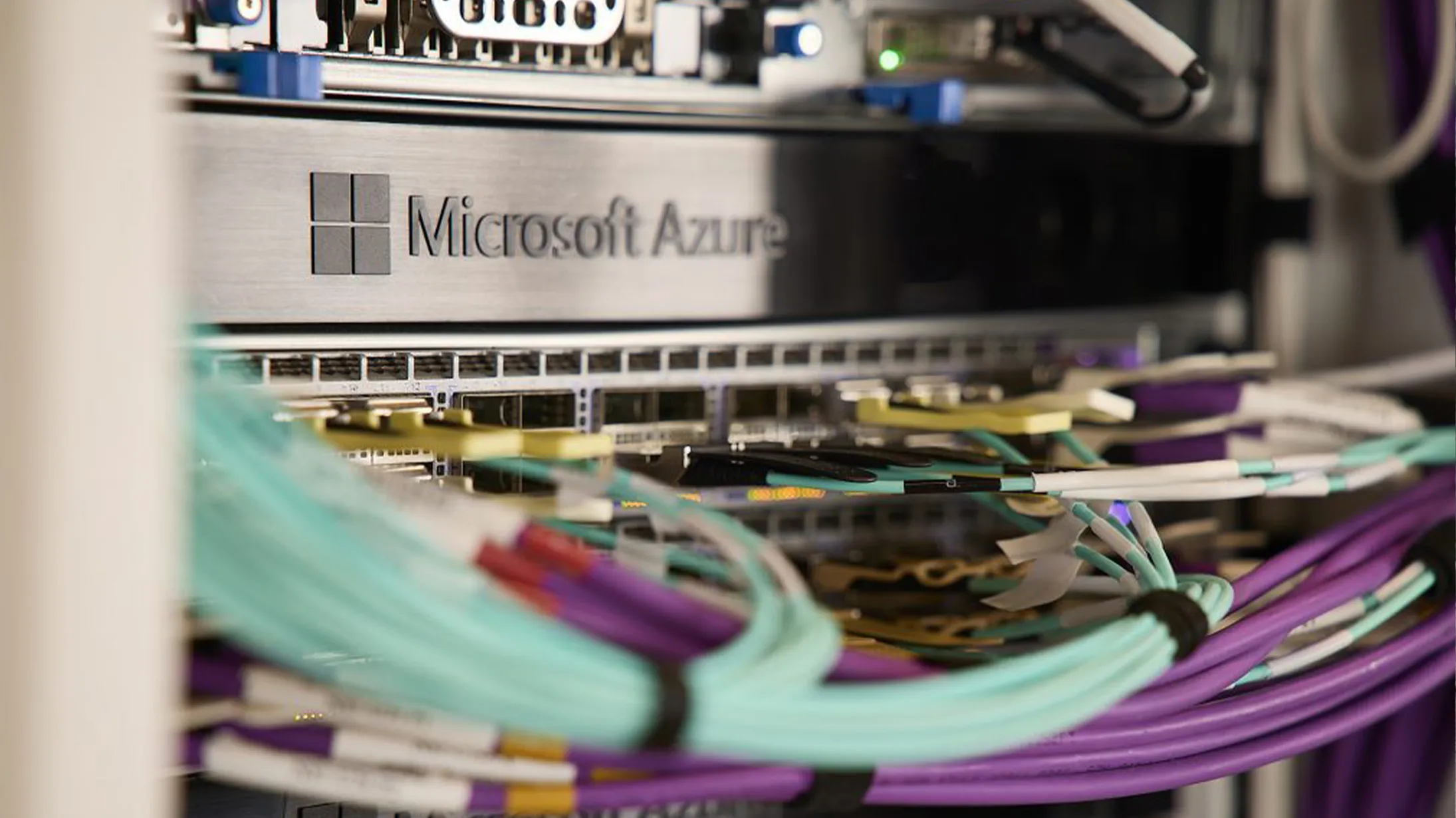
The recent announcement of Microsoft’s significant commitment to procuring near-zero emission steel from Swedish producer Stegra for its expanding data center network marks a pivotal moment, not just for the construction sector, but for the broader energy investment landscape. This isn’t merely a tech giant’s sustainability initiative; it’s a tangible signal of accelerating demand for decarbonized industrial materials, posing both challenges and opportunities for oil and gas investors navigating a volatile market. Amidst a significant downturn in crude markets, evidenced by today’s sharp price corrections, understanding these long-term demand shifts becomes critical for portfolio positioning and strategic foresight.
Green Steel: A Direct Challenge to Traditional Energy Demand
Microsoft’s agreement with Stegra encompasses both the physical supply of steel, boasting up to 95% lower emissions than conventional production, and the innovative use of environmental attribute certificates (EACs). This move directly addresses Microsoft’s substantial “Scope 3” emissions, which are embedded in its supply chain, particularly in the materials used for its rapidly growing data center infrastructure. For oil and gas investors, the implications are clear: traditional steel production is a highly energy-intensive process, heavily reliant on coking coal and natural gas. As corporate giants like Microsoft drive demand for green alternatives, the long-term consumption outlook for these fossil fuels in industrial processes faces an undeniable headwind. This strategic shift underscores the increasing financial value placed on decarbonization, pushing industries previously considered “hard-to-abate” towards cleaner production methods and forcing a re-evaluation of upstream and midstream assets tied to conventional industrial demand.
Navigating Market Volatility Amidst the Energy Transition
The urgency of industrial decarbonization is playing out against a backdrop of significant turbulence in the crude oil market. As of today, Brent crude trades at $90.38, marking a sharp 9.07% decline, while WTI sits at $82.59, down 9.41%. Even gasoline prices have seen a considerable drop, now at $2.93, a 5.18% decrease. This daily correction extends a notable two-week decline, with Brent crude having fallen a substantial 18.5% from $112.78 on March 30th to $91.87 just yesterday. Such pronounced volatility naturally prompts questions from investors regarding the resilience of oil prices and the long-term outlook for the sector. While immediate price movements are often influenced by geopolitical events or inventory data, the accelerating adoption of green materials like Stegra’s steel serves as a potent reminder of the structural demand shifts at play. For investors asking what the price of oil per barrel will be by the end of 2026, these long-term trends towards reduced fossil fuel intensity in industrial applications add a layer of fundamental pressure that cannot be ignored, even as short-term supply-demand dynamics dominate headlines.
The Emerging Role of Environmental Attribute Certificates (EACs)
A particularly innovative aspect of the Microsoft-Stegra deal is the introduction of Environmental Attribute Certificates (EACs) to the steel industry. This mechanism, previously seen in sectors like sustainable aviation fuel and low-carbon cement, decouples the “green value” from the physical product. Essentially, the avoided emissions are sold separately as certificates, allowing buyers like Microsoft to claim the use of near-zero emission steel, while other buyers might purchase conventional steel from the same facility without making environmental claims. For oil and gas investors, this presents a fascinating development in the evolving landscape of carbon markets and the monetization of decarbonization efforts. It signals the creation of new financial instruments and market segments designed to incentivize low-carbon production. Companies in the energy sector with ambitions in carbon capture, utilization, and storage (CCUS), hydrogen production, or other clean energy ventures should closely watch the development and liquidity of these EACs. They represent a potential new revenue stream or a mechanism to offset their own operational emissions, influencing investment decisions in emerging clean energy technologies.
Upcoming Events and Investor Focus: Navigating the Short-Term While Eyeing the Long-Term
The immediate future for oil markets will be heavily influenced by key upcoming events, even as the strategic implications of deals like Microsoft’s green steel procurement continue to unfold. Investors are keenly focused on the OPEC+ Joint Ministerial Monitoring Committee (JMMC) meeting scheduled for April 18th, followed by the full Ministerial meeting on April 19th. These meetings are critical, especially given the current price weakness, as market participants will be looking for any signals regarding production quotas. Many investors are currently asking about OPEC+ current production quotas and how they might react to stem the recent price slide. Further insights into market fundamentals will come from the API Weekly Crude Inventory report on April 21st and the EIA Weekly Petroleum Status Report on April 22nd, followed by their subsequent releases on April 28th and 29th, respectively. These reports will provide crucial data on supply and demand balances. Additionally, the Baker Hughes Rig Count on April 24th and May 1st will offer an indication of North American production activity. While these events dictate short-term volatility, the accelerating demand for green industrial materials, exemplified by the Microsoft-Stegra partnership, adds a critical long-term dimension to the investment thesis, prompting a re-evaluation of energy companies’ diversification strategies and exposure to evolving industrial demand.
Strategic Implications for Energy Portfolios
The Microsoft-Stegra deal, while not directly involving oil and gas production, serves as a powerful indicator of the broader energy transition’s momentum and its impact on hard-to-abate sectors. For investors assessing integrated energy companies, a common query is “How well do you think Repsol will end in April 2026?” This question, though specific, reflects a wider interest in how traditional oil and gas majors are adapting. Companies that are actively investing in low-carbon solutions, diversifying their energy mix, and addressing their own Scope 3 emissions will likely be better positioned for long-term value creation. The green steel trend highlights that industrial decarbonization is not a distant future but a present reality, driven by corporate commitments and financial mechanisms like EACs. Investors must look beyond traditional metrics and evaluate companies’ strategic alignment with a global economy increasingly prioritizing sustainability, recognizing that the demand for cleaner industrial inputs will inevitably reshape the energy landscape.


