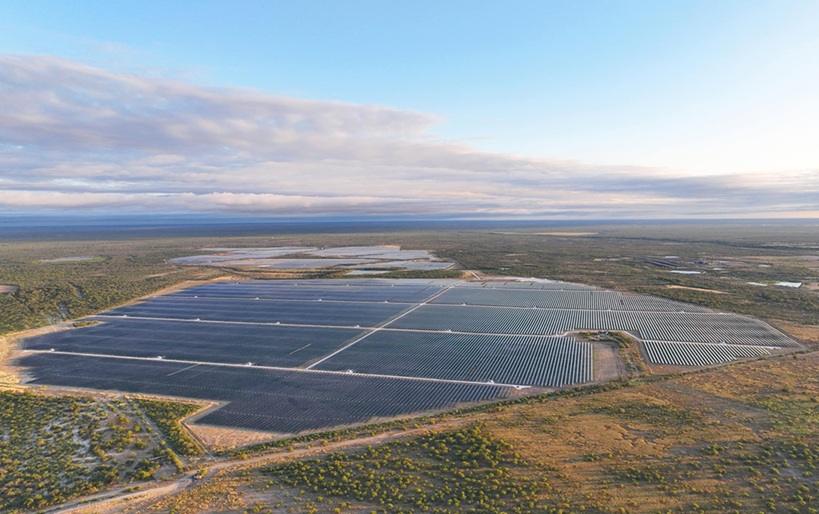
The energy investment landscape continues its dynamic evolution, with significant capital flowing into both traditional and emerging sectors. The recent announcement that Cypress Creek Renewables has achieved financial close and commenced construction on its 505 MW Hanson Solar project in Coleman County, Texas, marks another milestone in the ongoing energy transition. This utility-scale facility, backed by a power purchase agreement (PPA) with tech giant Meta, underscores a critical trend: major corporations are not just setting ambitious clean energy targets, but are actively driving massive infrastructure development to meet them. For oil and gas investors, understanding these shifts is paramount, as they reshape demand forecasts, infrastructure needs, and the competitive environment for capital across the entire energy complex.
Corporate Demand Powers Renewable Investment Momentum
Meta’s commitment to sourcing 100% of its operational energy from renewables, a goal already achieved in 2020, and its ambitious target to reach net-zero emissions across its value chain by 2030, are powerful signals. The company anticipates adding 9.8 GW of renewable energy to local grids in the U.S. by the end of 2025, a figure that dwarfs many national energy plans. This substantial corporate appetite for clean power, manifested through long-term PPAs, provides the revenue certainty crucial for attracting large-scale institutional financing. The Hanson Solar project, designed to deliver electricity to the ERCOT grid, exemplifies how technology behemoths are acting as anchor tenants for the next wave of energy infrastructure. Investors are increasingly asking about the long-term outlook for energy demand and pricing. Our reader intent data shows a strong focus on “what do you predict the price of oil per barrel will be by end of 2026?” While this specific solar project doesn’t directly dictate crude prices, the sheer scale of renewable deployment by major consumers like Meta highlights a structural shift that could temper long-term oil demand growth projections, influencing future price ceilings and floors. This dynamic interplay between corporate sustainability goals and financial markets creates both opportunities and challenges for an investment portfolio.
Texas: A Battleground for Energy Capital
The choice of Texas for this significant renewable project is particularly salient. Traditionally the heartland of U.S. oil and gas production, the ERCOT grid is now a vibrant arena for renewable energy development, boasting ample land, sunshine, and a deregulated market conducive to rapid build-out. The financial close for Hanson Solar involved a robust mix of preferred equity and debt financing, with major institutions like MUFG and SMBC providing debt facilities, and a global credit asset manager with $350 billion in AUM committing preferred equity. This speaks volumes about the perceived stability and attractive returns in utility-scale renewable assets. The active participation of such substantial financial players signifies a mature and confident market for these investments, moving beyond niche “green” funds to mainstream institutional capital. For oil and gas investors, this intense capital competition in Texas means evaluating not just the cost of drilling, but also the broader infrastructure and regulatory environment. The growth of renewables in the region can strain grid infrastructure, create new opportunities for battery storage and grid modernization, and ultimately influence the energy mix that powers industrial operations and residential consumption, directly impacting demand for natural gas and other fossil fuels in the state.
Navigating Current Market Volatility Amidst Energy Transition
While the long-term energy transition narrative is compelling, the immediate reality for energy investors remains firmly rooted in the daily fluctuations of crude markets. As of today, Brent crude trades at $94.68, reflecting a -0.84% dip within a day range of $93.87-$95.69. WTI crude also saw a slight contraction, currently at $86.34, down 1.24% and ranging from $85.5 to $86.78. This softness in crude prices is notable, especially considering the recent volatility; Brent has seen a significant $-23.49 drop, or -19.8%, from $118.35 on March 31st to $94.86 just yesterday. Gasoline prices are also feeling the pressure, trading at $3.03, down 0.33%. Our proprietary reader data indicates that investors are keenly focused on these daily movements, with queries like “is WTI going up or down?” frequently surfacing. This immediate market sentiment, often driven by geopolitical factors, inventory data, and demand signals, presents a dichotomy with the long-term, capital-intensive renewable projects. Investors must balance the tactical plays in a volatile crude market with the strategic positioning required for the evolving energy landscape, where projects like Hanson Solar represent future demand shifts. The recent price trajectory suggests a complex interplay of supply concerns, global economic outlooks, and perhaps even early signs of demand destruction or efficiency gains impacting the market.
Upcoming Events to Shape the Near-Term Energy Outlook
The coming weeks hold several critical events that will provide further clarity on the near-term trajectory of the oil and gas markets, directly influencing investment decisions and the relative attractiveness of various energy plays. Tomorrow, April 21st, the OPEC+ JMMC Meeting will be closely watched for any signals regarding production policy. A decision to maintain or adjust current quotas could significantly impact crude prices. Following this, the EIA Weekly Petroleum Status Reports on April 22nd and April 29th will offer crucial insights into U.S. crude, gasoline, and distillate inventories, providing a real-time pulse on demand and supply dynamics. The Baker Hughes Rig Count on April 24th and May 1st will indicate drilling activity trends, a leading indicator for future production. Perhaps most impactful for forward-looking analysis, the EIA Short-Term Energy Outlook (STEO) due on May 2nd will provide updated forecasts for supply, demand, and prices across all major energy commodities. These data releases are indispensable for investors aiming to calibrate their portfolios. While Meta’s solar project represents a long-term shift, these upcoming events will dictate the immediate environment for traditional energy companies, impacting their profitability, capital expenditure plans, and ultimately, their capacity to invest in their own decarbonization initiatives or transition strategies. Savvy investors will integrate these short-term market signals with the longer-term structural changes driven by corporate renewable commitments.


