Meta’s 650MW Renewable Buy: Energy Market Shift
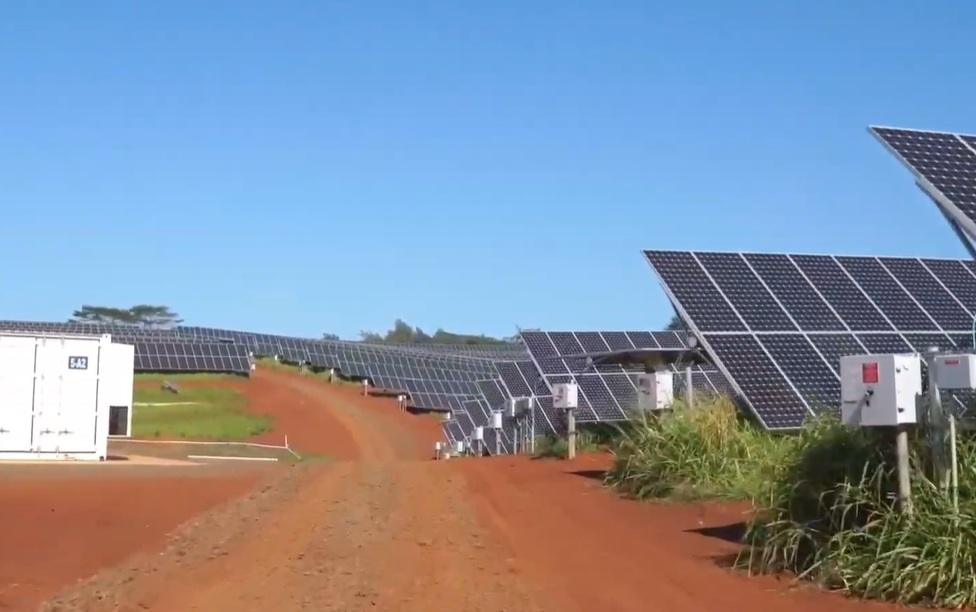
The recent announcement of Meta’s substantial 650 MW solar Power Purchase Agreements (PPAs) with AES across Texas and Kansas isn’t merely a corporate sustainability initiative; it’s a profound signal resonating across the entire energy market. While the world’s attention often fixates on daily crude price swings and geopolitical tensions, deals of this magnitude underscore a deeper, structural transformation in energy demand and supply. For oil and gas investors, understanding these strategic moves by major tech players is no longer optional; it’s critical for navigating an increasingly complex and evolving investment landscape. This analysis delves into what Meta’s renewable commitment signifies, juxtaposing it against current market volatility and forward-looking catalysts, to provide a clearer picture of where value is being created and challenged.
The Accelerating Corporate Demand for Clean Energy
Meta’s latest agreements, set to power its rapidly expanding data centers, highlight a significant trend: the burgeoning appetite of global corporations for large-scale renewable energy. With AI innovation driving unprecedented growth in data processing needs, companies like Meta are not just seeking energy; they are demanding reliable, affordable, and, crucially, clean power. Meta’s journey to meet 100% of its operational energy needs with renewables by 2020, and its ambitious target to add 9.8 GW of clean energy to U.S. grids by the end of 2025, showcases a commitment that transcends mere branding. These aren’t incremental adjustments; they represent strategic shifts in how multi-billion dollar enterprises secure their energy future. AES’s ability to offer “fast time-to-power and low-cost electricity” through these solar projects underscores the economic drivers behind these decisions, creating a formidable competitive force that traditional energy providers must acknowledge and adapt to. The consistent stream of renewable energy deals, including earlier agreements with Zelestra and Engie in Texas, further cements this as a cornerstone of Meta’s long-term operational strategy.
Navigating Volatility Amidst Structural Shifts
While the long-term energy transition gathers momentum, the immediate market remains characterized by significant volatility, a constant challenge for investors. As of today, Brent crude trades at $90.38 per barrel, marking a sharp 9.07% daily downturn, with its trading range stretching from $86.08 to $98.97. Similarly, WTI crude sits at $82.59, down 9.41% for the day, having seen a range of $78.97 to $90.34. This broad market weakness extends to refined products, with gasoline prices currently at $2.93, a 5.18% drop, fluctuating between $2.82 and $3.1. Looking at the broader picture, Brent has shed nearly 18.5% of its value in just the last 14 days, plummeting from $112.78 on March 30th to $91.87 yesterday. This stark contrast between daily price swings in traditional hydrocarbons and the consistent, strategic investment in renewables by tech giants like Meta presents a critical divergence for investors. While short-term supply-demand dynamics and geopolitical events dictate immediate price action, the underlying current of corporate energy procurement signals a more predictable, long-term shift in demand profiles that cannot be ignored.
Investor Focus: Beyond the Barrel Price
Our proprietary reader intent data reveals a clear focus among investors on immediate market dynamics, asking “what do you predict the price of oil per barrel will be by end of 2026?” and “What are OPEC+ current production quotas?”. These questions underscore a natural preoccupation with the direct factors influencing their oil and gas holdings. However, Meta’s 650 MW renewable energy acquisition serves as a potent reminder that the energy value chain is expanding. While investors rightly scrutinize the outlook for traditional energy companies like Repsol, the growing corporate migration towards self-sourced or PPA-backed renewable energy is a demand-side factor that will increasingly influence long-term price ceilings and investment attractiveness in the conventional sector. The quest for predictive insights, as evidenced by inquiries about “what data sources does EnerGPT use?”, highlights a pressing need for comprehensive tools that can integrate both traditional market signals and the burgeoning trends in corporate clean energy procurement to inform a more holistic investment strategy.
Upcoming Catalysts and the Evolving Energy Playbook
The immediate horizon for oil and gas investors is packed with critical events that will undoubtedly shape short-term market movements. The OPEC+ Joint Ministerial Monitoring Committee (JMMC) meeting tomorrow, April 18th, followed by the full Ministerial meeting on April 19th, will be closely watched for any signals regarding production quotas. Any adjustments here could dramatically impact supply expectations and, consequently, crude prices, directly addressing investor concerns about OPEC+’s strategy. Further clarity on demand and supply will come from the API Weekly Crude Inventory reports on April 21st and 28th, and the EIA Weekly Petroleum Status Reports on April 22nd and 29th, offering granular insights into U.S. stock levels. Meanwhile, the Baker Hughes Rig Count on April 24th and May 1st will provide a crucial barometer of drilling activity and future production intentions. However, the analysis of these events cannot occur in a vacuum. Investors must consider how these immediate catalysts interact with the long-term structural shifts exemplified by Meta’s renewable energy strategy. Will a tighter OPEC+ market be enough to offset a future where a significant portion of industrial demand is met by new, dedicated renewable generation? The astute investor will be integrating both the tactical implications of these upcoming events with the strategic shifts signaled by corporate renewable energy commitments to form a truly resilient portfolio.


