The digital economy’s relentless expansion, often perceived as divorced from traditional energy markets, continues to drive an underappreciated surge in global power demand. A prime example is the strategic pivot by Meta Platforms, the tech giant behind Facebook and Instagram, which is reportedly embarking on a significant expansion of its physical retail footprint. While seemingly a move to boost hardware sales, this initiative, alongside the broader proliferation of advanced computing devices, signals a robust long-term tailwind for energy consumption that savvy oil and gas investors should monitor closely.
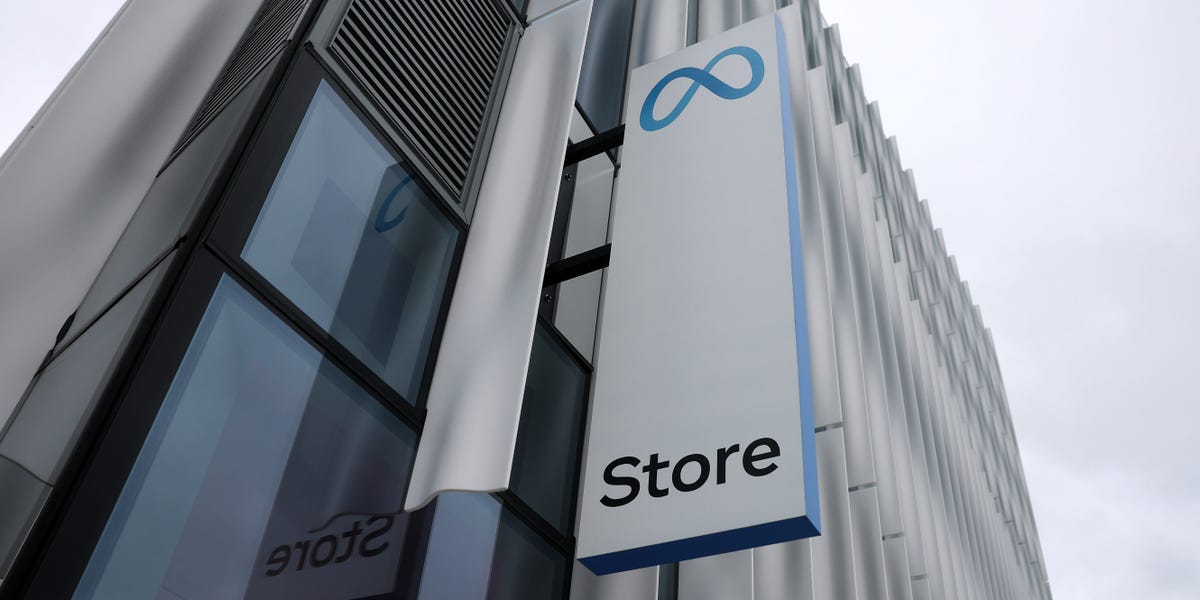
Sources indicate Meta is actively developing plans to open a network of physical stores and onboard retail staff, a project currently not widely disseminated internally. This move represents a notable shift for a company that, until recently, maintained only a single physical retail location – the Meta Store on its Burlingame, California campus, inaugurated in 2022. This sole outlet serves as an experiential hub, allowing consumers to interact with hardware such as Meta Quest VR headsets and Ray-Ban Meta smart glasses. The exact scope and timeline for this retail rollout remain undisclosed, though the company did test the waters last year with a pop-up, Meta Lab, in Los Angeles, focused on smart glasses sales.
The Tangible Energy Footprint of Digital Retail
For investors in the energy sector, Meta’s expansion into brick-and-mortar retail translates directly into increased commercial energy demand. Each new store requires substantial electricity for lighting, heating, ventilation, air conditioning (HVAC) systems, and a myriad of electronic displays and point-of-sale systems. Furthermore, the construction and outfitting of these retail spaces are energy-intensive processes, from manufacturing building materials to transporting fixtures and inventory. An extensive retail network also necessitates a robust supply chain, relying on fuel-powered logistics for distribution and restocking. While individual stores might seem negligible, a large-scale rollout by a global tech behemoth adds meaningfully to the aggregate commercial and industrial electricity load, indirectly boosting demand for the fuels that power the grid.
Hardware Proliferation Fuels Power Consumption
The primary objective behind Meta’s retail push is to accelerate the sale of its hardware products. Last year, the company successfully moved over 1 million units of its smart glasses, a figure Meta CEO Mark Zuckerberg acknowledged as a “great start” but not yet transformative for the core business. However, his long-term vision is more ambitious. Zuckerberg highlighted 2025 as a pivotal year that would indicate whether AI glasses evolve into a “long-term grind” or emerge as a “really prominent computing platform.” This distinction is critical for energy investors.
Should these AI-powered wearables achieve widespread adoption and become a dominant computing platform, the implications for energy demand would be profound. Manufacturing millions of sophisticated devices requires immense industrial energy. Once in consumers’ hands, each device demands regular charging, drawing power from residential grids. More significantly, the processing power for AI applications, whether on-device or predominantly cloud-based, funnels massive workloads into hyperscale data centers. These data centers are colossal energy consumers, requiring constant electricity for servers, cooling, and network infrastructure. As more users engage with these platforms, the data center footprint, and thus their energy hunger, will only grow exponentially.
AI Wearables Surge and Grid Implications
Adding to this trajectory, Meta’s Chief Technology Officer, Andrew Bosworth, outlined a strategic imperative last year to “drive sales, retention, and engagement” across its product lines. Crucially, he also revealed plans to launch half a dozen more AI-powered wearables this year. This aggressive product roadmap signals a concerted effort to embed advanced artificial intelligence into daily consumer technology, creating an accelerating cycle of innovation and consumption. Each new generation of AI-enabled devices tends to feature more powerful processors, higher-resolution displays, and more sophisticated sensors, all of which contribute to increased power draw, both during operation and charging.
The energy intensity of AI processing itself is a significant factor. Training large language models and running complex AI algorithms demand immense computational resources, typically housed in specialized data centers. As more AI-powered wearables come online and users engage with increasingly complex AI services, the demand placed on these data centers, and by extension, the electricity grid, will escalate. This trend represents a fundamental shift in energy demand patterns, moving beyond traditional industrial and residential uses to a new era of digital infrastructure-driven consumption.
The Competitive Landscape and Accelerated Innovation
Meta is not alone in its pursuit of next-generation AI devices. The competitive landscape is heating up, with formidable players entering the fray. For instance, OpenAI recently acquired IO, a startup founded by former Apple design chief Jony Ive, with the explicit goal of developing a new class of devices for the artificial intelligence era. This intensified competition among tech giants invariably leads to accelerated innovation, shorter product cycles, and aggressive market penetration strategies. Each competitor vying for market share will pour resources into manufacturing, marketing, and developing the underlying digital infrastructure, collectively driving up energy demand.
While some tech companies, like Microsoft, have scaled back or closed their physical retail stores in recent years (Microsoft shuttered most in 2020, retaining Experience Centers and Innovation Hubs), others, such as Apple, have demonstrated the strategic value of a robust retail presence, with over 500 stores globally. Amazon, despite some recent scaling back of its diverse brick-and-mortar experiments, also illustrates the allure of physical touchpoints for digital-first companies. Meta’s renewed commitment to retail indicates a belief that direct consumer interaction is vital for driving adoption of its nascent hardware categories, further solidifying the energy footprint associated with this burgeoning sector.
Investment Implications for Oil & Gas
For discerning investors focused on the oil and gas sector, these developments from the tech world are far from peripheral. The underlying energy demands generated by the digital economy’s expansion, particularly the manufacturing, operation, and data center support for advanced AI wearables and VR platforms, translate into sustained or even increased demand for primary energy sources. While a significant portion of this demand will be for electricity, the generation of that electricity still heavily relies on natural gas, coal, and in some regions, oil. The global buildout of digital infrastructure, from factories to server farms and physical retail outlets, requires vast quantities of energy, much of it derived from traditional hydrocarbons.
Therefore, Meta’s strategic retail expansion and its ambitious AI hardware roadmap are not merely tech news; they are critical indicators for future energy demand. As the world increasingly relies on sophisticated digital platforms and connected devices, the foundational energy requirements will continue to grow, reinforcing the long-term thesis for investment in the essential commodities that power our increasingly digitized world.