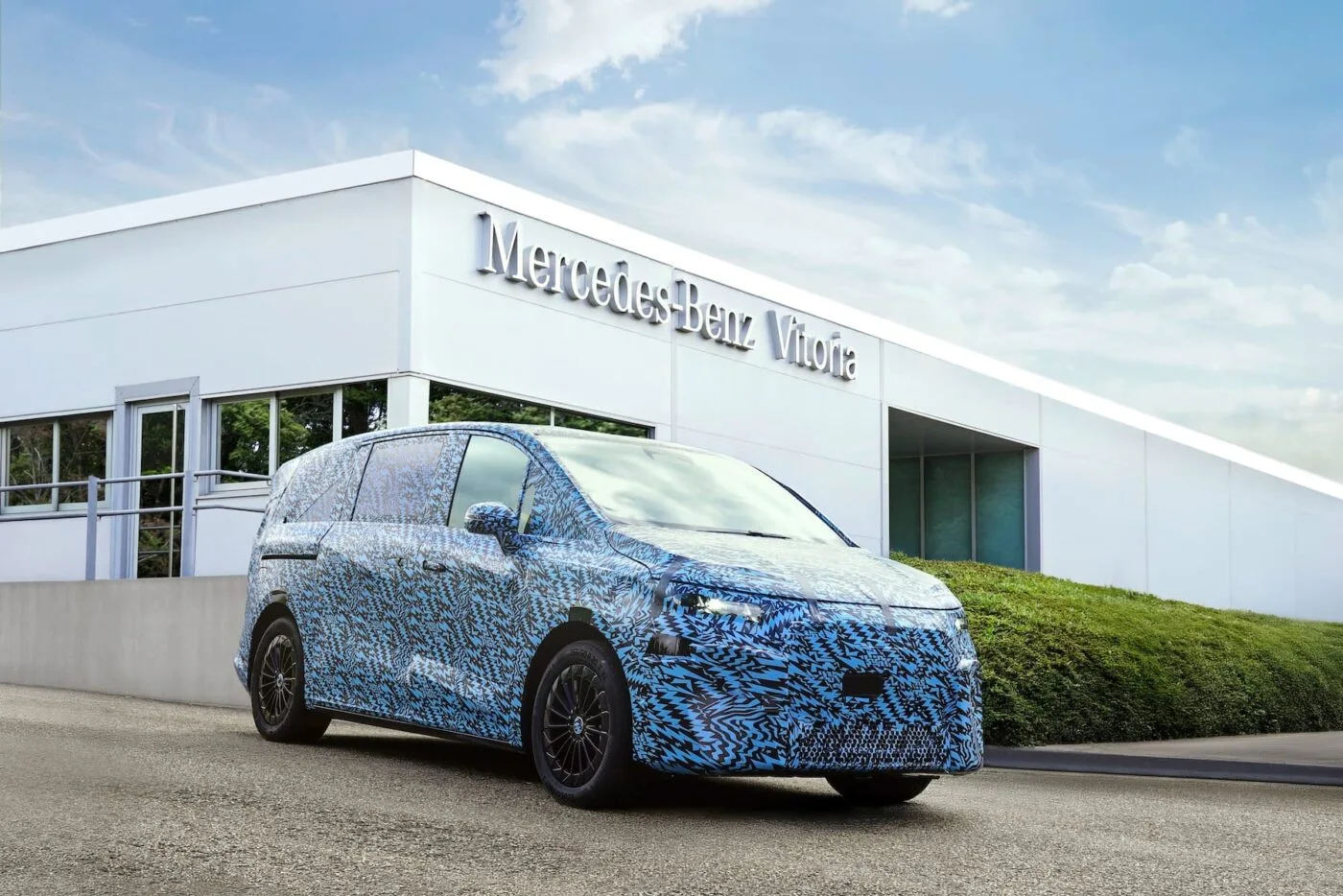
The global energy landscape is in constant flux, and while geopolitical events and immediate supply-side dynamics often capture headlines, the long-term structural shifts driven by electrification present an undeniable challenge to traditional oil demand. A recent development from Mercedes-Benz, initiating pre-series production of its all-electric VLE van at the Vitoria plant in Spain, serves as a potent reminder of this evolving paradigm. For oil and gas investors, this isn’t just automotive news; it’s a significant, albeit gradual, bearish signal indicating an accelerating erosion of demand in a critical sector. Understanding the implications of such strategic moves by major manufacturers is paramount for navigating the complexities of crude markets and future commodity pricing.
The Commercial EV Frontier: A Direct Threat to Diesel Demand
Mercedes-Benz’s commencement of pre-series production for the VLE, the inaugural vehicle built on its new modular and highly flexible VAN.EA architecture, signals a serious commitment to electrifying the commercial vehicle segment. Slated for its world debut in the first half of 2026, the VLE, along with its luxurious sibling the VLS, is set to offer impressive specifications. These include advanced 800-volt technology, a robust 22-kW AC charger, and battery capacities exceeding 100 kWh, promising a practical range of more than 500 kilometers on a single charge. Crucially, the VLE will also integrate the new Mercedes-Benz Operating System (MB.OS), aiming to provide an S-Class level of infotainment and driver assistance features for commercial use. The Vitoria plant, modernized for the VAN.EA platform and employing approximately 5,000 trained individuals, will be pivotal in producing these flexible-drive vehicles, including the VLE and eVito, from 2026 onwards. This comprehensive rollout strategy directly targets the light commercial vehicle (LCV) market, a segment traditionally dominated by diesel, and represents a tangible step towards displacing fossil fuel consumption in logistics, passenger transport, and various commercial operations. The scale and technological sophistication of this new platform suggest a significant, long-term impact on global diesel demand, extending beyond mere pilot programs to widespread adoption.
Market Volatility and the Shifting Demand Narrative
The long-term implications of electrification are already beginning to factor into a volatile crude market. As of today, Brent Crude trades at $90.38, reflecting a significant 9.07% decline from yesterday’s close, while WTI Crude mirrors this trend at $82.59, down 9.41%. This sharp daily contraction, with Brent’s trading range between $86.08 and $98.97, underscores the market’s sensitivity to both immediate supply-demand imbalances and forward-looking sentiment. Our proprietary data reveals a stark 14-day Brent trend, plummeting from $112.78 on March 30th to $91.87 on April 17th, representing an 18.5% erosion of value. This sustained downward pressure highlights a market grappling with a complex mix of economic headwinds, inventory data, and evolving demand expectations. While macroeconomic concerns and short-term supply dynamics often dictate daily price swings, the accelerating pace of EV adoption in commercial fleets, exemplified by Mercedes’ VAN.EA initiative, adds a structural layer to the bearish outlook. Investors must consider how these technological advancements contribute to a gradual but persistent chipping away at petroleum demand, making oil price recovery more challenging in the medium to long term.
Upcoming Catalysts and OPEC+’s Strategic Tightrope
The rollout of advanced electric commercial vehicles like the Mercedes VLE places increased scrutiny on the decisions of major oil producers. With the market already displaying weakness, as evidenced by Brent’s recent decline, upcoming events will be critical in assessing the industry’s response. The OPEC+ Joint Ministerial Monitoring Committee (JMMC) meeting scheduled for April 18th, followed by the full Ministerial meeting on April 19th, will be closely watched. Investors are keenly asking about “OPEC+ current production quotas” and how these might evolve. Will the alliance maintain current production levels, or will they consider further cuts to stabilize prices in the face of perceived demand erosion? The increasing viability of electric fleets adds a new dimension to their long-term planning, potentially forcing a more conservative approach to supply management. Beyond OPEC+, the API Weekly Crude Inventory reports on April 21st and 28th, along with the EIA Weekly Petroleum Status Reports on April 22nd and 29th, will provide crucial near-term insights into U.S. demand and inventory levels. While these reports reflect current conditions, the underlying narrative of accelerating electrification will inevitably inform market sentiment and influence how these data points are interpreted by traders and investors looking beyond the immediate horizon.
Investor Outlook: Navigating Long-Term Demand Erosion
The strategic shift by Mercedes-Benz into the commercial EV space poses a fundamental question for oil and gas investors: “what do you predict the price of oil per barrel will be by end of 2026?” This common inquiry from our readers underscores the uncertainty surrounding future demand. The launch of mass-produced, high-performance electric vans directly challenges the long-held assumption of continuous growth in liquid fuel consumption, particularly in the diesel sector. While the impact of a single model’s rollout may seem incremental, it represents a larger trend of electrification permeating increasingly diverse vehicle segments. For investors, this means that even if global oil demand doesn’t peak immediately, the growth trajectory is undeniably flattening and eventually poised for decline. Asset allocation strategies must account for this structural demand erosion. Companies heavily reliant on refining and selling diesel, or those with significant exposure to transportation fuels, could face headwinds. Conversely, this trend highlights the importance of diversifying portfolios towards companies with robust energy transition strategies, investments in cleaner fuels, or those with highly resilient, low-cost production profiles capable of weathering sustained periods of lower prices. The path to 2026 and beyond will necessitate a careful re-evaluation of long-term oil price assumptions, informed by the accelerating pace of EV innovation and adoption.