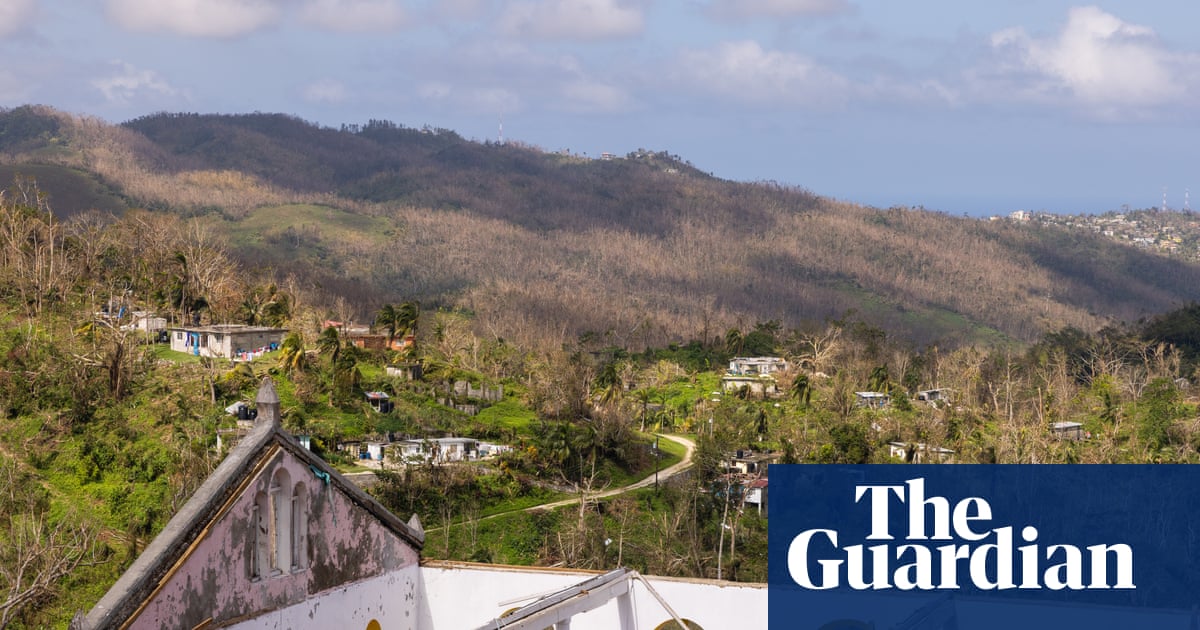
The financial implications of a changing global climate are no longer abstract concepts for the oil and gas sector; they represent a tangible, escalating risk factor that demands immediate attention from investors. The recent devastation wrought by Hurricane Melissa, the most powerful storm ever to strike Jamaica, serves as a stark reminder of this “new reality.” Scientific analysis confirms that every facet of Melissa’s ferocity – from its record-setting wind speeds to its intense rainfall – was exacerbated by human-induced climate change. For energy investors, understanding how such events translate into operational disruptions, capital expenditure demands, and shifting market dynamics is critical for safeguarding portfolios and identifying resilient opportunities in an increasingly volatile world.
The Escalating Costs of Extreme Weather for the O&G Sector
Hurricane Melissa’s landfall as a Category Five storm with winds up to 185mph on October 28th delivered a brutal lesson in climate economics. The storm’s devastation, estimated to be equivalent to a third of Jamaica’s GDP, highlights the immense financial burden of extreme weather. Scientists have determined that winds of Melissa’s strength are now five times more frequent, while extreme rainfall, such as the five days of pounding rain Jamaica endured, is 30% more intense and twice as likely due to a global climate 1.3°C hotter than pre-industrial averages. For oil and gas infrastructure, particularly in coastal regions and hurricane-prone areas, this translates directly into heightened physical risk. Increased frequency and intensity of storms mean higher insurance premiums, greater need for hardened infrastructure, and a higher probability of asset damage, production halts, and supply chain disruptions. These aren’t just one-off events; they represent a systemic increase in the cost of doing business in certain geographies, directly impacting long-term profitability and asset valuations.
Navigating Volatility: Climate Risk Amidst Current Market Swings
While the long-term climate trajectory points to increasing physical risks, investors are naturally focused on the immediate market signals. As of today, Brent crude trades at $94.44 per barrel, down 1.09% on the day, with WTI crude at $86.21, a 1.38% decrease. This current snapshot follows a significant dip, with Brent having fallen nearly 20% from $118.35 on March 31st to $94.86 just yesterday. Such fluctuations understandably drive questions from investors, with many asking whether WTI is “going up or down” in the short term, or what the “price of oil per barrel will be by the end of 2026.” While these immediate price movements are influenced by geopolitical shifts, demand signals, and inventory data, the underlying shadow of climate risk adds a layer of complexity to long-term projections. It’s not just about supply and demand equilibrium; it’s about the increasing likelihood of supply shocks due to extreme weather, alongside the growing pressure to reduce demand for fossil fuels. Investors must integrate both the cyclical market volatility and the structural climate imperative into their decision-making, recognizing that physical risks can introduce unpredictable spikes in operating costs and capital expenditures for companies.
Operational Resilience: A New Competitive Edge
The “rapid intensification” observed with Hurricane Melissa, where wind speeds surged from 68mph to 139mph in just one day, is a hallmark of a warming climate and poses a critical challenge for operational planning. Storms feeding on warmer oceans and atmospheres gain brutal strength with unusual speed, leaving less time for preparation, evacuation, and securing assets. For oil and gas companies with offshore platforms, coastal refineries, and extensive pipeline networks, this phenomenon translates into higher risks of catastrophic failure, environmental incidents, and prolonged outages. Building operational resilience is no longer an optional upgrade but a fundamental requirement. This includes investing in more robust infrastructure, developing advanced early warning systems, and implementing rapid response protocols. Companies that proactively integrate climate resilience into their capital expenditure plans and risk management frameworks will distinguish themselves. Investors keenly observing company performance, like those asking about “how well Repsol will end in April 2026,” should scrutinize firms’ capex allocations for climate adaptation measures, as these are increasingly indicative of future financial stability and shareholder value.
Upcoming Events and the Long-Term Decarbonization Imperative
The ongoing discussion around climate risk also intensifies the regulatory and policy landscape, which will undoubtedly influence the outcomes of upcoming energy events. For instance, the OPEC+ JMMC Meeting scheduled for today, April 21st, will focus on supply quotas, but the broader context of global energy transition and climate commitments subtly shapes long-term strategies for member nations. Similarly, while the EIA Weekly Petroleum Status Reports (April 22nd, April 29th) and Baker Hughes Rig Counts (April 24th, May 1st) provide crucial short-term supply and demand insights, the EIA Short-Term Energy Outlook on May 2nd will offer a more comprehensive view, potentially incorporating updated assumptions on policy impacts related to climate. Events like Hurricane Melissa amplify public and political pressure for decarbonization, potentially accelerating regulatory changes and carbon pricing mechanisms. For investors, this means not only monitoring traditional supply-demand fundamentals but also analyzing how companies are positioning themselves for a lower-carbon future. The sustained interest in topics like “what data sources does EnerGPT use?” or “what APIs power your market data?” underscores a growing investor appetite for sophisticated tools to analyze these complex, converging trends and anticipate policy shifts that will impact the entire energy value chain.


