The American manufacturing sector is experiencing a significant resurgence, a development that typically signals robust industrial demand for the oil and gas sector. Companies are actively bringing production capabilities back stateside, with an impressive 68% of manufacturing and supply chain executives reporting efforts to reshore operations to the U.S. This shift is fueled by surging demand across critical industries, from advanced semiconductors to electric vehicle components, promising a boon for energy and feedstock suppliers. However, a deepening labor crisis within manufacturing threatens to derail this momentum, posing a critical challenge for investors assessing future industrial consumption of oil and gas derivatives.
U.S. Manufacturing’s Double-Edged Sword: Reshoring Meets Talent Scarcity
The narrative of a vibrant American manufacturing comeback is undeniable. Geopolitical shifts, supply chain vulnerabilities exposed during recent global crises, and strategic incentives are driving a wave of domestic investment and production. This revitalized industrial base should, in theory, translate directly into increased demand for a wide array of energy commodities and petrochemical feedstocks. Factories require natural gas for power generation and process heat, electricity derived from diverse energy sources, and an extensive catalog of specialized lubricants and chemicals essential for complex machinery and product creation. Yet, this burgeoning demand is colliding head-on with an increasingly severe shortage of skilled labor.
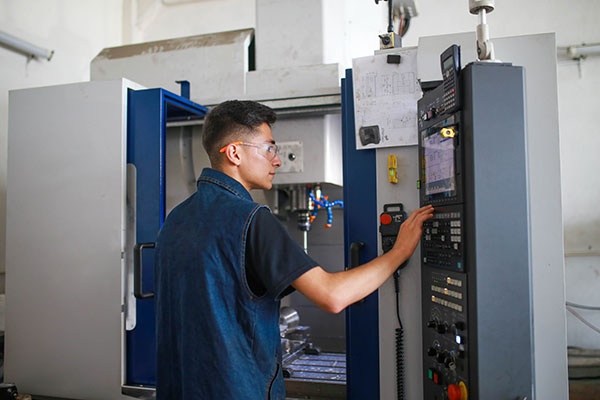
The nature of manufacturing employment has evolved dramatically. Today’s factory floor is far removed from the assembly lines of yesteryear, demanding proficiency in advanced technologies such as Computer Numerical Control (CNC) machining, robotics, and sophisticated automation systems. These roles require a new caliber of technical expertise that the current workforce, and more critically, the pipeline of new talent, is struggling to provide. This disconnect is creating a widening chasm between available jobs and qualified candidates, threatening to cap the very growth that promises to bolster industrial energy consumption.
The Looming Chasm: A Million-Job Deficit by 2033
Analysts at Deloitte project a stark reality: approximately 1.9 million manufacturing roles could remain unfilled by 2033 if current trends persist. This isn’t merely a cyclical fluctuation; it represents a systemic failure to cultivate and retain the necessary talent for a modern industrial economy. A significant portion of the experienced workforce is entering retirement, taking with them decades of invaluable institutional knowledge and specialized skills. This exodus of veteran employees compounds the problem, as younger generations are not entering the sector with the requisite training or at a sufficient pace to backfill these critical positions.
The underlying issues extend beyond natural attrition. For years, educational pathways have heavily emphasized four-year university degrees, often sidelining vocational and technical training programs. Consequently, many young individuals are unaware of the lucrative and technologically advanced careers available in contemporary manufacturing. The outdated perception of manufacturing as low-tech or low-paying persists, despite the reality that many roles are high-skill, driven by automation and digital tools, and offer competitive wages without necessarily requiring a traditional college degree. This cultural and educational misalignment is a primary driver of the escalating talent gap, directly impacting the operational capacity of industrial facilities that are vital consumers of oil and gas products.
Impact on Oil & Gas Industrial Demand
For investors in the oil and gas sector, the manufacturing labor shortage presents a tangible risk to industrial demand forecasts. If factories cannot find the skilled personnel needed to operate sophisticated machinery, manage automation, or oversee production lines, output will inevitably be constrained. A slowdown in manufacturing activity directly translates to reduced consumption of natural gas for power and heating, decreased demand for specialized lubricants essential for industrial equipment, and lower requirements for petrochemical feedstocks used in everything from plastics and composites to advanced materials. The ripple effect extends across the entire energy value chain, from upstream extraction to midstream processing and downstream refining.
Consider the ambitious targets for electric vehicle production or semiconductor fabrication in the U.S. These initiatives are heavily reliant on highly skilled labor to design, build, and maintain the complex equipment and processes involved. Should the labor shortage impede these operations, the anticipated surge in demand for the energy and chemical inputs required to support them would be curtailed. This scenario forces investors to re-evaluate growth projections tied to industrial expansion, as the physical capacity to produce goods is intrinsically linked to the human capital available to operate production facilities.
Moreover, while automation could be seen as a solution, its implementation itself requires highly skilled technicians and engineers. The paradox is that the very tools designed to mitigate labor shortages demand a different, often higher, level of technical proficiency. Without this specialized workforce, even the path to increased automation, and the associated demand for energy-intensive manufacturing of robotics and control systems, remains challenging.
Investor Outlook: Navigating the Industrial Headwinds
The manufacturing labor shortage is not merely an operational headache; it represents a fundamental constraint on economic growth and industrial output that directly influences the demand landscape for oil and gas. Energy investors must carefully monitor this trend, recognizing that a vibrant and fully staffed industrial base is crucial for robust energy consumption. Companies that develop innovative solutions to workforce challenges, whether through advanced training programs, automation integration, or strategic partnerships, may be better positioned to maintain and expand their production, thereby sustaining their demand for energy inputs.
Conversely, sectors or companies heavily reliant on traditional manufacturing processes that struggle to adapt to the new labor paradigm could face significant headwinds, translating into softer demand for the crude oil, natural gas, and refined products they consume. For the astute investor, understanding the interplay between labor market dynamics and industrial capacity is paramount in forecasting future demand trajectories within the energy sector, distinguishing between sectors poised for resilience and those vulnerable to an enduring talent deficit.