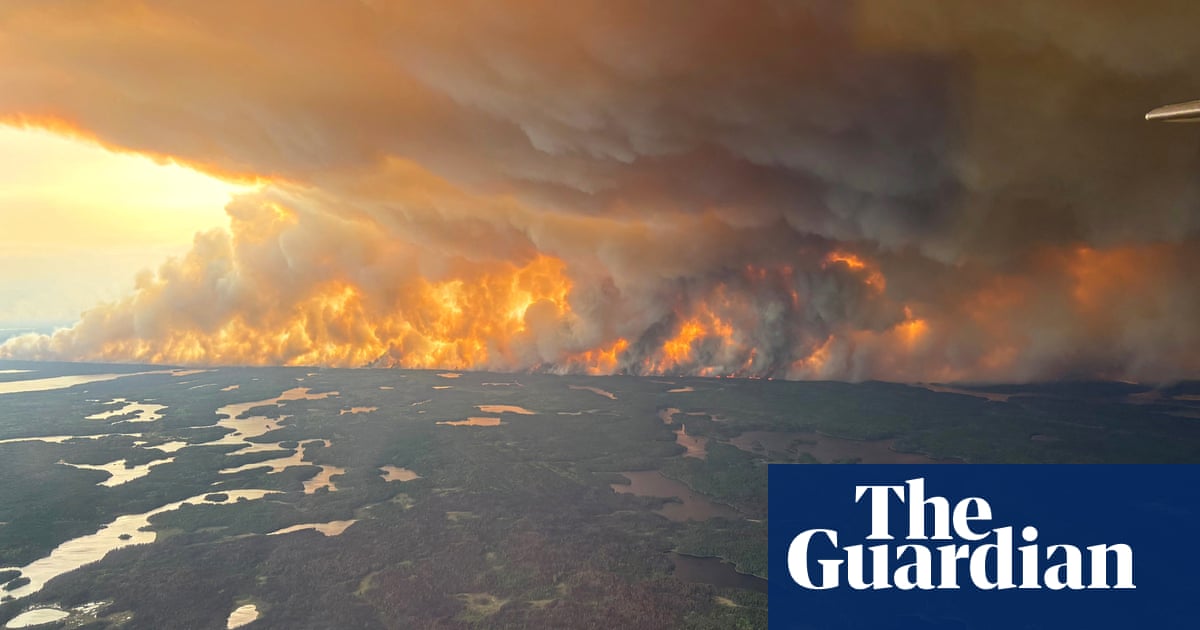
Canada’s western province of Manitoba is currently grappling with its most severe start to the wildfire season in recent memory, prompting an unprecedented provincial state of emergency. This escalating crisis has led to the evacuation of over 17,000 residents, raising critical questions for the oil and gas sector regarding operational continuity, supply chain resilience, and long-term investment risks across the Canadian energy landscape.
Manitoba Declares Emergency Amid Record Evacuations
Manitoba Premier Wab Kinew has underscored the gravity of the situation, characterizing the current mass exodus as the largest in generations. With 22 active wildfires burning across the province and an estimated 200,000 hectares already consumed, the scale of destruction and displacement is profound. The Premier has formally requested federal assistance, including the deployment of Canadian military aircraft and personnel, to bolster evacuation efforts and reinforce overwhelmed firefighting resources. These military assets are expected to be deployed imminently to aid remote northern communities most vulnerable to the encroaching flames.
This provincial emergency is not an isolated incident but rather a stark manifestation of a broader, intensified wildfire pattern sweeping across Canada. The nation experienced its most destructive wildfire season on record in 2023, and the current year is following a similarly concerning trajectory. Currently, 134 active fires rage across British Columbia, Alberta, Saskatchewan, Manitoba, and Ontario, with nearly half categorized as out of control. This national crisis underscores the increasing vulnerability of Canada’s vast landmass, including crucial energy corridors, to climate-driven environmental hazards.
Direct Impacts on Communities and Infrastructure
The human toll of these fires is immense, with entire communities under threat. The mining town of Flin Flon, home to approximately 5,000 residents, was placed on immediate evacuation alert as a major wildfire advanced. Residents of other remote towns and numerous Indigenous communities have also been compelled to leave their homes, with most evacuees being transported to the provincial capital, Winnipeg.
Eyewitness accounts paint a vivid picture of the emergency. Reports from Sherridon, northeast of Flin Flon, describe wildfires surrounding the small town, with flames reportedly reaching over 121 feet high and visible from distances of 4 to 5 kilometers. The intensity and rapid spread of these fires have made direct firefighting efforts extremely challenging. The logistical strain is already evident; the sole open highway connecting Flin Flon to safety has experienced severe congestion, and local petrol stations have reported running out of fuel, highlighting critical supply chain vulnerabilities during such crises.
For individuals and families, the experience is profoundly disruptive. Residents speak of gathering essential documents, medications, and supplies for their families and pets, facing an uncertain journey. The widespread nature of the fires, touching every region of Manitoba simultaneously, signals a systemic environmental shift that demands adaptive strategies from all sectors, including energy.
Implications for Canadian Oil and Gas Operations
While Manitoba itself is not a primary hub for crude oil or natural gas production, its geographical position within Western Canada makes it a critical transit corridor for energy infrastructure. Major interprovincial pipelines, rail lines, and transmission networks traverse the province, connecting the prolific oil sands of Alberta and natural gas fields of Saskatchewan and British Columbia to eastern markets and export terminals.
The ongoing wildfires introduce several layers of risk for oil and gas investors and operators:
- Logistical Disruptions: Road closures, highway congestion, and fuel shortages, as seen in Flin Flon, can severely impede the transport of equipment, personnel, and refined products. This directly impacts operational efficiency and increases costs for maintenance, new projects, and routine supply chains across the wider region.
- Infrastructure Integrity: Although direct damage to major pipeline infrastructure has not been reported in Manitoba’s current fires, the proximity of intense blazes to energy assets presents a continuous threat. High temperatures, smoke, and falling debris can compromise pipeline integrity, power lines, and other critical facilities, necessitating shut-downs for inspection or repairs, leading to potential supply interruptions.
- Workforce Safety and Availability: Evacuations and widespread smoke impact the availability and safety of the skilled workforce required for energy operations. Ensuring employee well-being and managing labor availability in affected regions become paramount challenges.
- Increased Operational Costs: Enhanced fire prevention measures, increased insurance premiums, emergency response logistics, and potential for forced downtime all contribute to higher operational expenditures for energy companies operating in fire-prone regions.
- Reputational and ESG Concerns: The escalating frequency and intensity of wildfires amplify environmental, social, and governance (ESG) considerations for energy companies. Investors are increasingly scrutinizing how firms are assessing and mitigating climate-related risks, including those posed by extreme weather events.
Navigating a Changing Climate: An Investor Perspective
The situation in Manitoba serves as a potent reminder of the growing impact of climate change on physical assets and operational environments within the energy sector. For investors in Canadian oil and gas, these events underscore the critical importance of evaluating companies’ resilience strategies.
Key considerations include robust emergency response plans, advanced monitoring systems for infrastructure, diversified transportation routes, and proactive engagement with Indigenous communities and local governments on wildfire mitigation and adaptation efforts. Companies demonstrating strong environmental stewardship and effective risk management in the face of climate change are likely to command greater investor confidence.
As wildfires continue to challenge Canada’s natural resources and infrastructure, the oil and gas industry must increasingly integrate climate resilience into its core business strategies. The disruptions in Manitoba, while localized, highlight systemic vulnerabilities that demand attention from investors seeking sustainable long-term returns in the dynamic global energy market.