Malaysia’s $10.1 Billion Grid Overhaul Signals Major Energy Investment Opportunity
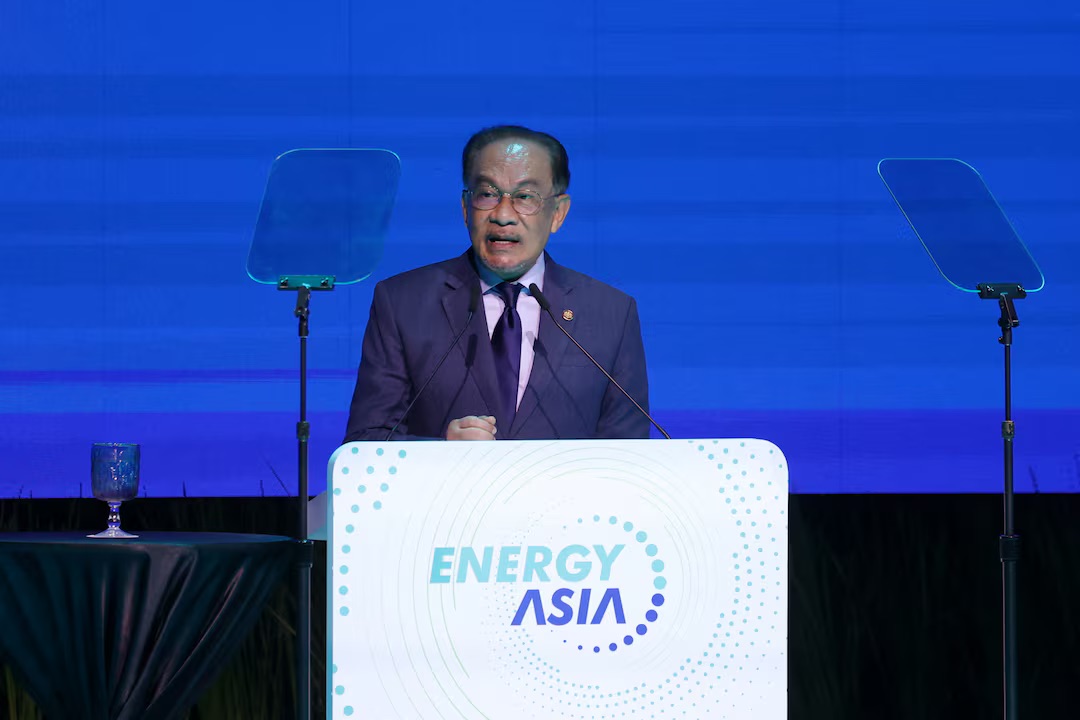
Malaysia is making significant strides towards solidifying its position as a dynamic energy market and a burgeoning hub for the digital economy, underpinned by a substantial commitment to modernizing its national infrastructure. Prime Minister Anwar Ibrahim recently unveiled a pivotal investment by state utility Tenaga Nasional, allocating a staggering 43 billion ringgit, approximately $10.1 billion, to upgrade the nation’s critical electricity grid. This transformative initiative is not merely an infrastructure facelift; it is a strategic move designed to power Malaysia’s ambitious goals in artificial intelligence (AI) and advanced battery energy storage systems (BESS), creating a ripple effect of investment opportunities across the energy sector.
Powering the Digital Future: Grid Modernization and AI Demand
The colossal $10.1 billion investment in grid modernization underscores Malaysia’s proactive approach to meeting the escalating energy demands of the future, particularly those driven by the digital revolution. As global technology giants increasingly seek reliable and scalable infrastructure, Malaysia is positioning itself as a prime destination for data centers and AI factories in Southeast Asia. This influx of high-tech investment, notably from industry titans such as Microsoft, Alphabet’s Google unit, Amazon, Nvidia, and Oracle, primarily focuses on cloud services and extensive data center operations. These facilities are incredibly power-intensive, demanding robust, resilient, and increasingly decarbonized electricity supplies.
For oil and gas investors, this grid upgrade signals several key areas of interest. While renewable energy integration is a core component of future grids, the immediate and sustained demand from data centers often necessitates reliable baseload power. This typically translates into continued, and potentially increased, demand for natural gas as a bridge fuel, supporting Malaysia’s existing gas production and distribution infrastructure. Furthermore, the investment in BESS will enhance grid stability and enable greater integration of intermittent renewables, creating opportunities for technology providers and project developers in energy storage solutions. Investors should closely monitor the procurement and development phases of these grid enhancements for direct and indirect investment pathways.
Petronas Spearheads Carbon Capture and Storage: A New Revenue Horizon
Beyond grid enhancements, Malaysia’s national energy conglomerate, Petronas, is charting an ambitious course in carbon management, signaling a strategic pivot towards decarbonization as a new revenue stream. Petronas is actively developing three state-of-the-art carbon capture and storage (CCS) facilities in Malaysia’s offshore waters. These pioneering installations are not solely aimed at reducing the carbon footprint of the domestic oil and gas sector but are strategically positioned to offer critical decarbonization services to a diverse array of other industrial sectors, both domestically and regionally.
This initiative positions Malaysia, and specifically Petronas, at the forefront of the emerging CCS economy in Asia. The scale of this ambition is further amplified by significant international collaboration. Prime Minister Anwar Ibrahim highlighted that Malaysia’s CCS endeavors involve more than 10 international partners, drawing expertise and investment from key players in Japan and South Korea, alongside global energy stalwarts such as TotalEnergies and Shell.
A particularly noteworthy development in this space is Petronas’s collaboration with Japanese industrial giants Eneos, Mitsubishi, and JX Nippon. Together, they are exploring the complex logistics and feasibility of transporting and storing carbon dioxide from Japan’s highly industrialized Tokyo Bay area to suitable geological formations within Malaysian offshore territories. This cross-border initiative could establish Malaysia as a regional hub for carbon storage, creating a vital service export and a significant new revenue channel for the nation’s energy sector. As Petronas CEO Tengku Muhammad Taufik Tengku Aziz articulated, CCS is not only a crucial decarbonization tool but also represents a promising new revenue stream for the entire region, offering compelling prospects for investors looking at energy transition plays and diversified income streams from traditional energy companies.
Malaysia: A Strategic Nexus for Energy and Technology Investment
Malaysia’s concerted efforts to modernize its energy infrastructure and lead in carbon management are intrinsically linked to its broader strategy of becoming a premier hub for technology and data in Southeast Asia. The nation’s appeal to global tech titans like Microsoft, Google, Amazon, Nvidia, and Oracle stems from its strategic location, developing infrastructure, and supportive policy environment. These companies require not just substantial but also reliable and increasingly sustainable energy supplies to power their vast cloud services and data centers.
The symbiotic relationship between robust energy infrastructure and digital economy growth creates a compelling narrative for investors. The $10.1 billion grid upgrade provides the foundational capacity, while Petronas’s CCS projects offer a pathway to sustainable operations for energy-intensive industries. This integrated approach enhances Malaysia’s overall attractiveness as an investment destination, not only for direct energy plays but also for technology companies seeking an environment where their energy needs can be met responsibly and efficiently.
Investment Outlook and Forward Trajectory
For investors tracking the global oil and gas landscape and the broader energy transition, Malaysia presents a multifaceted opportunity. The significant capital outlay in grid infrastructure by Tenaga Nasional signals a long-term commitment to energy security and digital enablement, creating avenues for investment in power generation, transmission, distribution, and smart grid technologies. The proactive stance of Petronas in developing large-scale, internationally partnered CCS projects positions it as a leader in a nascent yet critical segment of the energy transition, offering exposure to future carbon management markets and new revenue streams beyond traditional hydrocarbon extraction.
Investors should consider the potential for growth in natural gas demand to support baseload power for data centers, the expanding market for CCS technology and services, and the broader economic uplift that robust energy infrastructure brings to a rapidly digitalizing economy. Malaysia’s strategic investments, coupled with its role as a regional energy and technology hub, underscore its potential as an attractive market for those seeking exposure to both traditional energy resilience and the burgeoning opportunities of the energy transition. The nation is clearly leveraging its existing oil and gas expertise to build a more diversified, sustainable, and digitally empowered energy future, offering a compelling proposition for astute capital allocation.