Japan’s Nuclear Reawakening: A New Vector for Global Gas Demand Risk
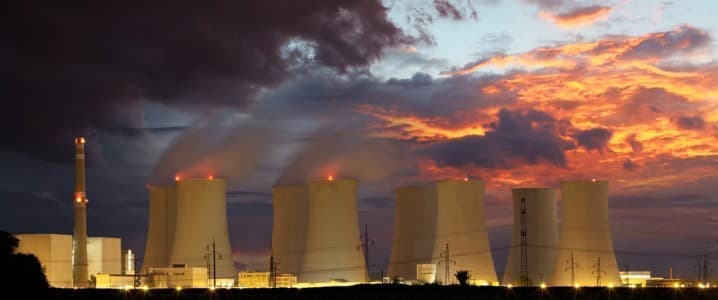
Japan, a nation historically dependent on energy imports to fuel its vast economy, is signaling a profound strategic shift. The impending approval for a partial restart of the Kashiwazaki-Kariwa nuclear power plant, the world’s largest with an 8-gigawatt (GW) nameplate capacity, represents a pivotal moment in this pivot. This move, driven by a national imperative to bolster energy independence and reduce reliance on volatile fossil fuel markets, carries significant implications for global natural gas demand and, by extension, the broader energy complex. For investors navigating an already intricate market, understanding the nuances of this reawakening is critical to forecasting future commodity price trajectories.
Kashiwazaki-Kariwa: A Symbol of Japan’s Energy Sovereignty
The journey to restart Kashiwazaki-Kariwa has been protracted, stretching back years as Tokyo Electric Power Company (TEPCO), the plant operator, grappled with safety concerns and local opposition following the 2011 Fukushima disaster. However, momentum is now firmly on the side of reactivation. The governor of Niigata Prefecture is expected to grant consent this Friday for the restart of two of the plant’s units. While this is a crucial step, the final decision rests with the Niigata Prefecture assembly, which is slated to discuss TEPCO’s proposal in early December. This upcoming vote represents a critical calendar event for energy investors, potentially unlocking a substantial new source of baseload power. Prime Minister Sanae Takaichi has been a vocal proponent of accelerating nuclear restarts, viewing it as an essential strategy to reduce Japan’s significant energy import bill and enhance the G7 economy’s energy security. Before the Fukushima incident, nuclear power constituted approximately 30% of Japan’s electricity generation. The current national agenda aims to reclaim a significant portion of that capacity, shifting away from thermal power generation that has filled the gap, predominantly with imported liquefied natural gas (LNG).
Navigating Volatility: Nuclear Restart Amidst Shifting Market Tides
This long-term energy pivot in Japan comes amidst a backdrop of considerable volatility in global commodity markets. As of today, Brent crude trades at $90.7 per barrel, marking an 8.74% decline from its previous close, with WTI similarly pressured, down 9.24% at $82.75. Gasoline prices have also seen a notable dip, settling at $2.93, a 5.18% decrease. This recent downward movement extends a broader trend observed over the past two weeks, where Brent has shed $14, or 12.4%, since late March. While immediate market movements are influenced by a confluence of factors, including the upcoming OPEC+ Joint Ministerial Monitoring Committee (JMMC) meeting this Friday and the Full Ministerial meeting on Saturday, the prospect of reduced long-term energy demand from a major importer like Japan adds another layer of complexity for investors. The continued influx of weekly inventory data, such as the API and EIA reports slated for next Tuesday and Wednesday respectively, will offer more granular insights into short-term supply-demand balances, but Japan’s nuclear push signals a fundamental shift in demand dynamics over the medium to long term.
Investor Focus: The Direct Impact on Gas and Indirect on Oil
Our proprietary reader intent data reveals a strong investor focus on future energy price trajectories, with many asking about oil price predictions for late 2026 and seeking clarity on OPEC+ production quotas. Japan’s nuclear strategy directly addresses these concerns from the demand side. The restart of Kashiwazaki-Kariwa, and the broader push to bring more of Japan’s 33 reactors online (14 have restarted since 2015, with 11 more in the approval process), fundamentally alters the country’s energy mix. Each gigawatt of nuclear capacity that comes back online directly displaces thermal power generation, primarily fueled by imported LNG. Given Japan’s status as a top global LNG importer, a sustained reduction in its gas demand would send ripples through the global LNG market. Lower LNG demand could depress international gas prices, making gas-to-oil switching less attractive in some regions and potentially reducing demand for crude oil used in industrial or power generation sectors. While the immediate impact on global crude prices might be muted compared to OPEC+ decisions or inventory swings, the cumulative effect of a major economy shifting away from fossil fuels for baseload power cannot be understated for long-term investment theses in oil and gas.
Key Hurdles and Forward-Looking Analysis
While the governor’s expected approval this Friday sets the stage for Kashiwazaki-Kariwa, the critical hurdle remains the Niigata Prefecture assembly’s discussion in early December. This specific upcoming calendar event will be a crucial inflection point, potentially confirming a significant shift in Japan’s energy procurement strategy. Beyond this, TEPCO still faces strong local opposition and accusations of attempting to “bribe” residents, indicating that the path to full operation may still encounter friction. However, with the national government’s strong backing and the strategic imperative for energy security, the long-term trend appears set. Investors should monitor not only the Kashiwazaki-Kariwa developments but also the progress of the other 11 reactors currently in the approval pipeline. Each successful restart chips away at Japan’s reliance on imported fossil fuels, creating a cumulative bearish pressure on global natural gas demand, which in turn could influence the broader energy complex. While short-term market dynamics will continue to be driven by events like the weekly API and EIA reports or the Baker Hughes Rig Count released every Friday, Japan’s nuclear re-entry represents a significant structural change that oil and gas investors must integrate into their long-term models.


