The Electric Wave Hits Heavy Haul: Implications for Long-Term Oil Demand
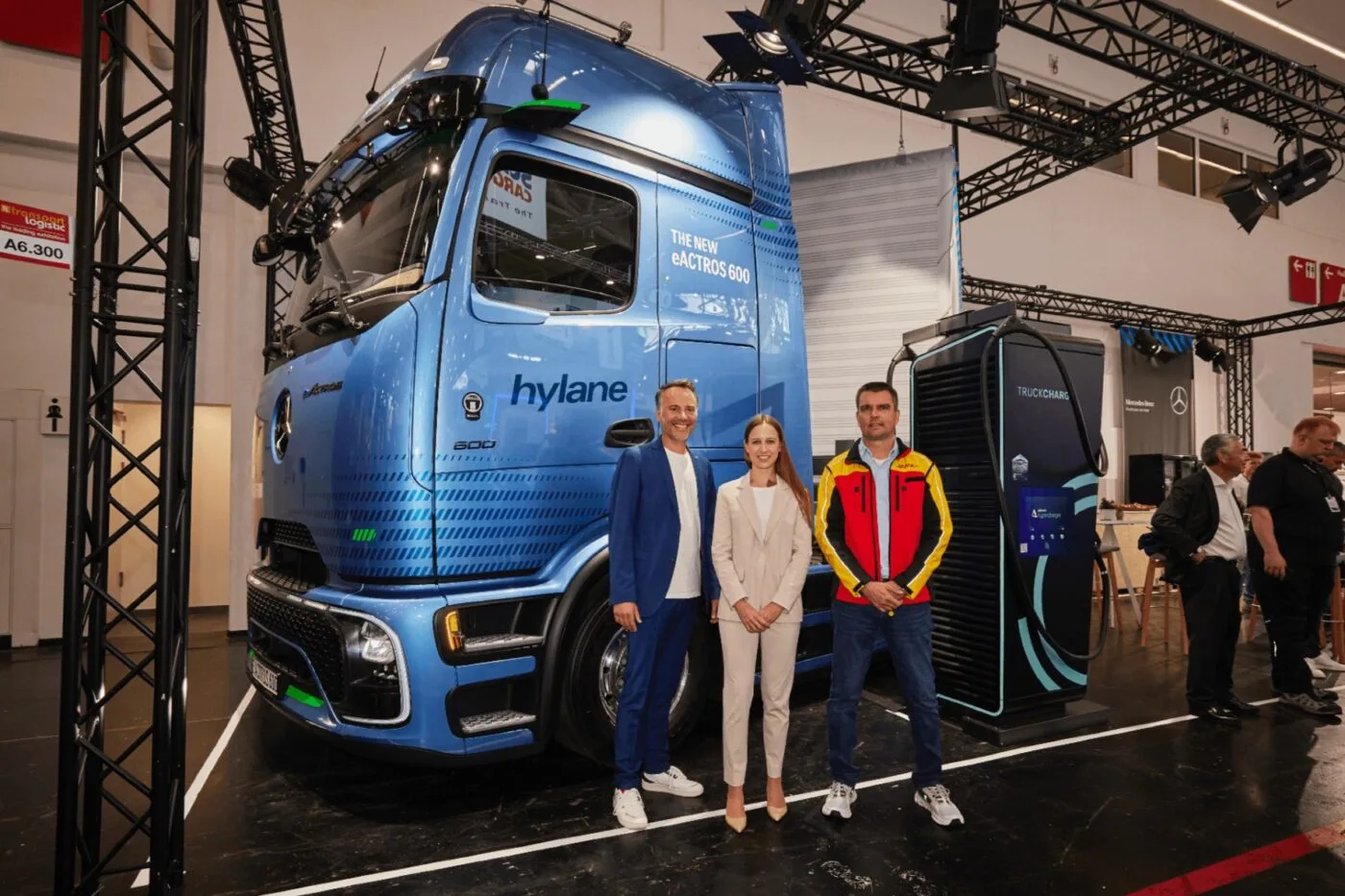
The global logistics landscape is undergoing a significant transformation, with major players like DHL Group actively accelerating the transition to electric vehicles. In a recent move signaling this strategic pivot, DHL has entered into a cooperation agreement to operate 30 Mercedes-Benz eActros 600 electric trucks through Hylane’s innovative “transport as a service” model. While 30 heavy-duty trucks may seem a modest figure in the grand scheme of global freight, this partnership between a logistics giant, a leading vehicle manufacturer, and an agile rental provider underscores a critical shift that investors in the oil and gas sector cannot afford to overlook. This isn’t just about a few electric trucks; it’s a testament to the increasing viability and strategic imperative of decarbonizing commercial fleets, directly impacting the long-term demand narrative for diesel and, by extension, crude oil.
Current Market Dynamics: Short-Term Volatility Meets Long-Term Structural Shifts
Amidst the strategic moves by logistics firms towards electrification, the crude oil market itself presents a picture of immediate volatility. As of today, Brent Crude trades at $90.38 per barrel, reflecting a significant 9.07% drop in the session, with a daily range between $86.08 and $98.97. WTI Crude mirrors this sentiment, currently at $82.59, down 9.41%. This steep decline is not an isolated event; our proprietary data shows Brent has shed $20.91, or 18.5%, from $112.78 just two weeks ago on March 30th. Gasoline prices are also feeling the pressure, trading at $2.93, a 5.18% decrease today. This current market weakness, influenced by broader macroeconomic concerns and supply-demand perceptions, sets a crucial backdrop against which the long-term structural changes in demand, such as those driven by fleet electrification, must be evaluated. Investors are keenly watching how these short-term price swings interact with the slow but steady erosion of traditional fuel demand.
Electrification of Heavy-Duty Transport: A Growing Demand Headwind
The DHL-Hylane-Daimler Truck collaboration highlights a tangible step towards the electrification of heavy-duty, long-haul transport – a segment historically considered a bastion of diesel consumption. The Mercedes-Benz eActros 600, available since December 2024, boasts a 600 kWh battery capacity and a robust range of around 500 kilometers, with intermediate charging during statutory breaks making over 1,000 kilometers per day possible. DHL’s commitment to deploy these 30 trucks within its Post & Parcel Germany division by the end of Q2 2026, and its broader strategy of opening EV battery service centers globally and striking multiple electric vehicle deals, signals a clear intent to scale. While the immediate displacement of diesel demand from 30 trucks is marginal in a global context, this move by the “world’s leading logistics company” acts as a powerful bellwether. It contributes to the persistent investor question we’ve observed in our reader intent data: “What do you predict the price of oil per barrel will be by end of 2026?” The increasing adoption of heavy-duty EVs, even if gradual, adds a structural headwind to demand forecasts, creating a ceiling for long-term price appreciation that was less apparent just a few years ago.
The “Transport-as-a-Service” Model: Accelerating EV Adoption and Capital Shifts
A critical element of the DHL deal is its innovative “transport as a service” model facilitated by Hylane. DHL will not purchase these electric trucks outright; instead, Hylane will invoice DHL based on actual kilometers driven. This model is a game-changer for accelerating EV adoption in commercial fleets. It significantly de-risks the transition for logistics providers by eliminating the hefty upfront capital expenditure typically associated with fleet renewal and the inherent uncertainties of new, unproven technologies. By shifting from a capital-intensive ownership model to an operational expenditure model, companies like DHL can integrate emission-free vehicles more rapidly and flexibly, mitigating balance sheet impact and technology obsolescence risks. For oil and gas investors, this means that the barriers to entry for electric commercial vehicles are being systematically lowered, potentially speeding up the rate at which fossil fuel demand from this critical sector erodes. This fundamental shift in procurement strategy could unleash a faster wave of electrification than traditional capital budgeting cycles might suggest, influencing future demand trajectories more profoundly than individual vehicle announcements.
Navigating Future Volatility: OPEC+ Decisions and Inventory Signals
Looking ahead, while structural demand shifts from electrification are a long-term concern, immediate market direction will hinge on critical supply-side factors and inventory data. This weekend, investors will be closely monitoring the OPEC+ Joint Ministerial Monitoring Committee (JMMC) meeting on April 18th, followed by the full Ministerial Meeting on April 19th. Among the most frequent questions from our readers this week is “What are OPEC+ current production quotas?” These meetings are pivotal, as any adjustments to production quotas will directly impact global crude supply, offering a counter-balance to demand concerns. Historically, OPEC+ decisions have proven to be significant catalysts for price movement, and any signals regarding future output policy will be scrutinized intensely. Furthermore, the market will turn its attention to the API Weekly Crude Inventory report on April 21st and the EIA Weekly Petroleum Status Report on April 22nd. These inventory figures provide crucial insights into immediate supply-demand balances within the U.S., often setting the tone for global sentiment in the short term. The interplay between these imminent supply-side decisions and inventory signals, against the backdrop of an evolving demand landscape shaped by heavy-duty EV adoption, underscores the complex environment oil and gas investors must navigate in the coming weeks.