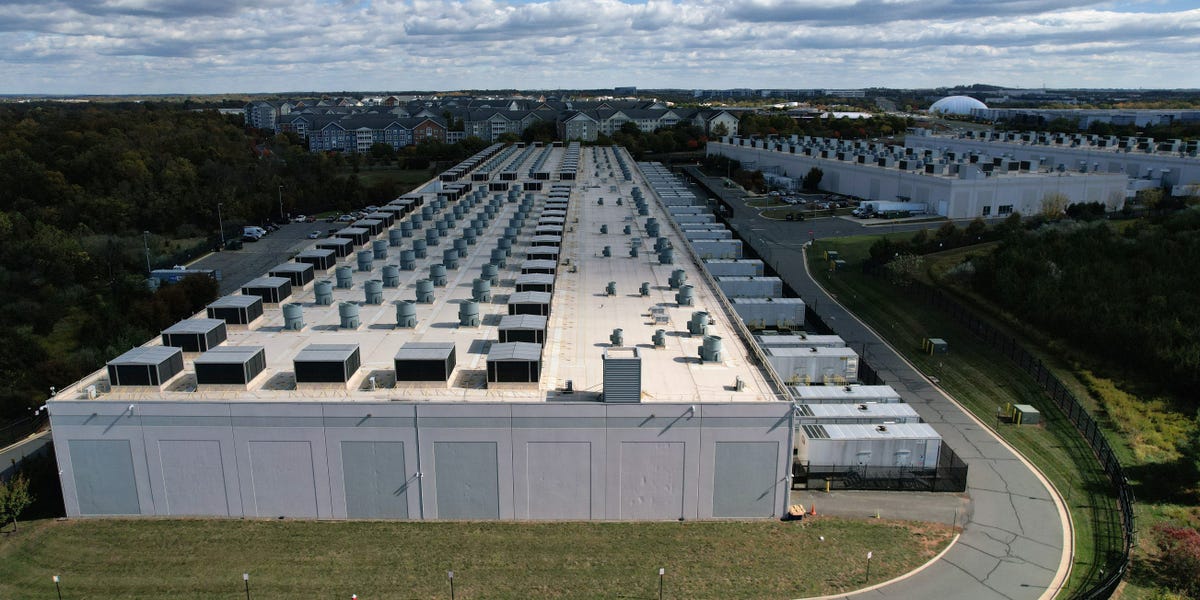
The digital transformation sweeping through the oil and gas sector demands constant vigilance, and a recent high-profile cloud outage serves as a stark reminder of the inherent vulnerabilities within our increasingly interconnected world. While the disruption, stemming from a Domain Name System (DNS) error at a major Amazon Web Services (AWS) data center in northern Virginia, might appear to be a tech-centric hiccup affecting consumer apps like Snapchat and Venmo, its implications for the backbone of modern energy operations are profound. This incident underscores critical questions about operational resilience, data integrity, and the strategic imperative for robust cloud infrastructure within an industry heavily reliant on digital processes for everything from exploration and production to trading and logistics. For investors, understanding these vulnerabilities is no longer an ancillary concern but a core component of risk assessment in a digitally-driven oil and gas landscape.
The Cloud’s Critical Role and Exposed Vulnerabilities
On a recent Monday morning, a fundamental DNS error at AWS’s largest and oldest data center triggered a cascading failure, bringing down an estimated 142 services for hours. The Domain Name System, essentially the internet’s directory service, translates human-readable domain names into machine-friendly IP addresses. When this lookup process fails, websites and services become unreachable, as users experienced until the outage was resolved around 6 p.m. ET that day. This wasn’t merely an inconvenience; it exposed how deeply reliant modern industries, including oil and gas, are on these foundational cloud services. From real-time seismic data processing to managing complex supply chains, optimizing refinery operations, and powering sophisticated trading algorithms, cloud computing has become indispensable. An outage of this magnitude, even brief, can lead to significant operational delays, data access issues, and potential financial losses for energy firms whose digital infrastructure is heavily dependent on providers like AWS, Microsoft Azure, or Google Cloud Platform. The incident highlights the need for diversified cloud strategies and robust disaster recovery plans that go beyond single-provider reliance.
Navigating Market Volatility Amidst Digital Risks
The stability of the underlying digital infrastructure is more critical than ever, especially in a period marked by significant market volatility. As of today, Brent Crude trades at $90.38, marking a significant 9.07% drop within the day, with its range fluctuating between $86.08 and $98.97. Similarly, WTI Crude stands at $82.59, down 9.41% today, having moved between $78.97 and $90.34. This sharp daily decline follows a broader trend; Brent has shed $22.4, or nearly 20%, from $112.78 on March 30th to its current level. Gasoline prices have also seen a dip, currently at $2.93, down 5.18% today. In such a dynamic environment, where price swings are substantial and rapid, the ability of energy companies and investors to access, process, and act on real-time market data is paramount. Any disruption to cloud services that host trading platforms, analytics tools, or critical market data feeds can exacerbate market uncertainty, delay crucial decision-making, and potentially lead to missed opportunities or heightened exposure. The AWS outage serves as a potent reminder that even indirect technological failures can ripple into tangible financial impacts for the O&G sector.
Investor Focus: Data Integrity and Future Price Discovery
Our proprietary reader intent data reveals a clear focus among investors on critical questions like “what do you predict the price of oil per barrel will be by end of 2026?” and inquiries about the data sources powering our market intelligence tools. These questions directly intersect with the implications of the recent cloud outage. The integrity and continuous availability of market data are fundamental to forecasting future prices and evaluating investment opportunities, such as the potential performance of companies like Repsol. If the underlying cloud infrastructure that collects, processes, and disseminates this information is vulnerable, then the reliability of our analytical models and, by extension, investor confidence can be undermined. Investors are increasingly sophisticated, asking about the APIs and feeds that power platforms like EnerGPT, demonstrating a keen awareness that the quality and resilience of data pipelines are as important as the data itself. The AWS incident underscores that digital resilience is not just an IT concern; it’s a strategic investment imperative that directly impacts the trustworthiness of market intelligence and the ability to make informed decisions in a complex energy market.
Anticipating Key Events with Enhanced Digital Foresight
Looking ahead, the oil and gas investment landscape is punctuated by a series of critical events that will undoubtedly shape market dynamics. The upcoming OPEC+ Joint Ministerial Monitoring Committee (JMMC) Meeting on April 19th, followed by the full OPEC+ Ministerial Meeting on April 20th, are pivotal for understanding future production quotas and supply-side dynamics. Immediately following, the API Weekly Crude Inventory report on April 21st and the EIA Weekly Petroleum Status Report on April 22nd will provide crucial insights into demand and inventory levels. These events, occurring within days of each other, demand uninterrupted access to information and robust analytical capabilities. An outage similar to the recent AWS event during such a critical period could disrupt the dissemination of official reports, delay market reactions, and create arbitrage opportunities or disadvantages for those affected. As investors prepare for these announcements, and subsequent Baker Hughes Rig Count reports on April 24th and May 1st, the O&G industry must prioritize investments in resilient cloud architectures and cybersecurity measures. Ensuring the continuity of data flows and operational systems is paramount not only for compliance and efficiency but for maintaining market stability and investor confidence in a sector increasingly defined by its digital backbone.


