A New Electric Era for European Statecraft: Implications for Oil Demand
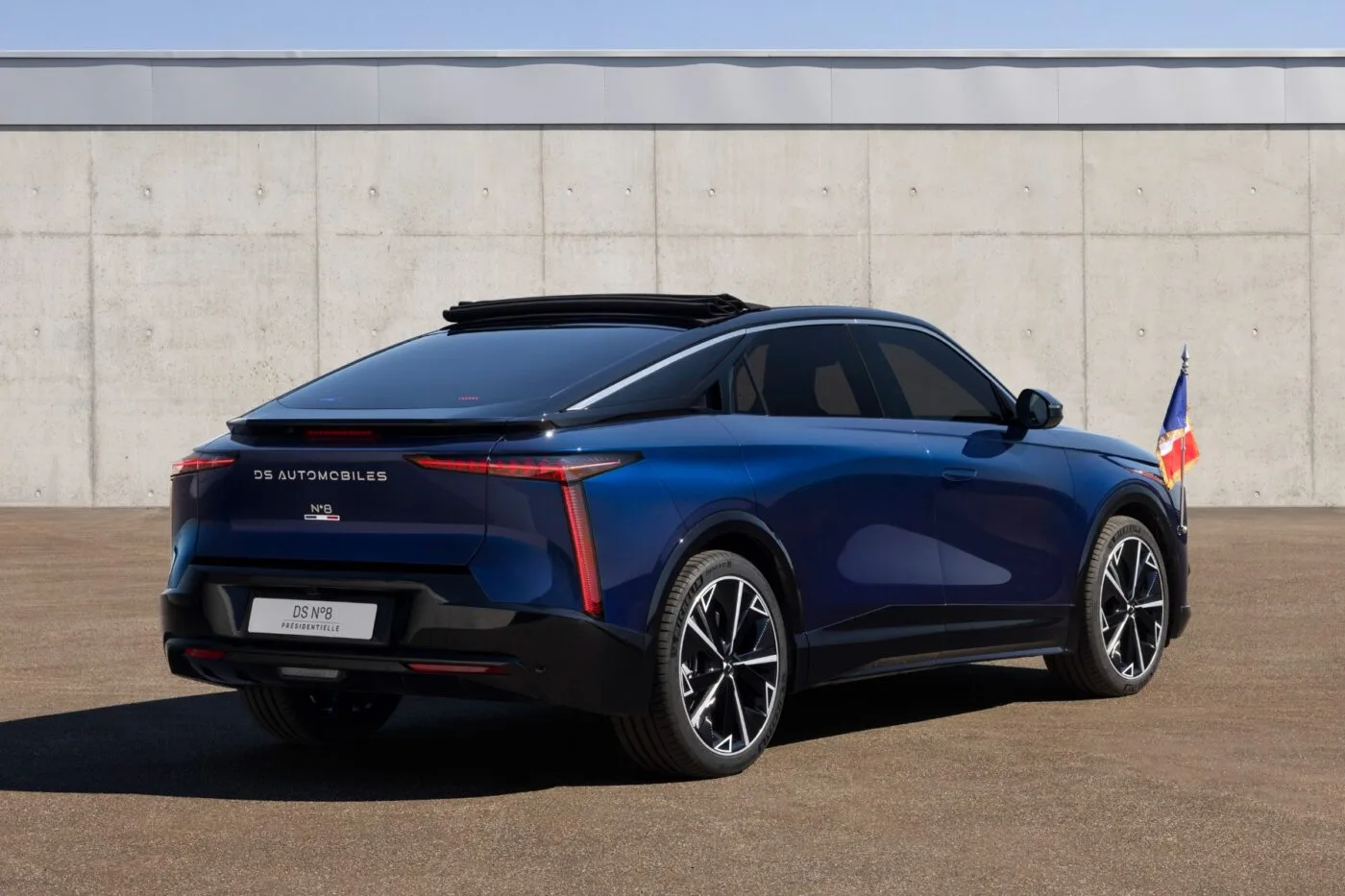
The recent unveiling of the fully electric PRESIDENTIAL DS No. 8 for French President Emmanuel Macron signals a profound shift in European statecraft and, critically, offers a potent indicator for the future trajectory of oil demand across the continent. Delivered on May 8th to commemorate the 80th anniversary of VE Day, this bespoke armored vehicle marks an unprecedented milestone: the first time a head of a republic has adopted a purely electric model as their official state transport. For investors tracking the global energy transition, this is more than just a ceremonial upgrade; it’s a powerful statement on the accelerating pace of electric vehicle (EV) adoption and its inevitable impact on petroleum consumption.
The Presidential EV: A Glimpse into Tomorrow’s Mobility
The PRESIDENTIAL DS No. 8, purpose-built for the French Republic’s highest office, is not merely a vehicle but a technological and symbolic flagship. Its striking Sapphire Blue finish, contrasted with black-painted quarter panels and an illuminated grille featuring the French Tricolore, exudes a regal presence. Beyond aesthetics, the vehicle boasts advanced security features and an interior crafted with artisanal French textiles from esteemed companies like Ateliers Lison de Caunes, Métaphores, and Atelier Lognon, underscoring a commitment to both luxury and national craftsmanship.
Crucially for the energy sector, the DS No. 8 is powered by an ACC battery system, offering an impressive range of up to 750 kilometers. DS Automobiles highlights its capability to traverse over 500 kilometers on a motorway without requiring a recharge, and it can recover a substantial 200 kilometers of range in just ten minutes of charging. Such specifications not only meet the rigorous demands of presidential travel but also effectively counter lingering concerns about EV range anxiety and charging convenience, especially for high-profile, mission-critical applications. This technological prowess, now endorsed at the highest political level, reinforces the viability and growing maturity of electric propulsion, directly challenging the long-held dominance of internal combustion engines (ICE) in even the most demanding automotive segments.
Macron’s Progressive Embrace of Electrification
President Macron’s journey with DS vehicles illustrates a deliberate and escalating commitment to electrification within the presidential fleet. His 2017 inauguration saw him driven down the Champs-Élysées in a custom DS 7 Crossback, an early indication of a preference for the national brand. This was followed in November 2021 by the addition of the DS 7 Élysée, a plug-in hybrid electric vehicle (PHEV) boasting a 300-horsepower E-Tense drivetrain, which joined the official presidential convoy. The progression from an ICE to a PHEV, and now to a fully battery-electric vehicle, mirrors the broader market’s evolutionary path towards decarbonized transport and signals a consistent policy direction from the Elysée Palace.
Xavier Peugeot, CEO of DS Automobiles, underscored this historical continuity and forward vision, noting that the Presidential DS N°8 “continues the line of special DS models acclaimed by the Presidency of the Republic for nearly 70 years.” He drew a parallel to the opening ceremony of the 2024 Olympic Games, emphasizing how the vehicle “connects past and present,” combining “exceptional craftsmanship and avant-garde spirit” with its 750 km electric range. This statement encapsulates the blend of heritage and future-proofing that defines Europe’s energy transition, with political leadership actively demonstrating confidence in the capabilities of next-generation mobility solutions.
Policy Reinforcement and Market Signals for Oil Investors
The symbolic power of a head of state adopting an all-electric vehicle extends far beyond French borders. It sends an unequivocal message to consumers, businesses, and policymakers across Europe and globally: electric vehicles are not just a niche product or a future promise, but a current, high-performance reality fit for the most demanding roles. This presidential endorsement reinforces Europe’s aggressive decarbonization targets and its legislative push towards banning new ICE vehicle sales by 2035.
For oil and gas investors, this development serves as another clear signal regarding the accelerating erosion of petroleum demand, particularly in the light-duty transportation sector. As more nations and high-profile figures champion EV adoption, the public perception of electric mobility improves, consumer confidence grows, and the rate of transition from gasoline and diesel cars is likely to intensify. This will inevitably translate into declining demand for refined products, impacting refinery utilization rates and overall fuel consumption forecasts in key European markets.
Navigating the Evolving Landscape: Investment Implications
The implications for energy sector investment are significant. Companies heavily reliant on gasoline and diesel sales in Europe face structural headwinds that are now amplified by such high-profile governmental endorsements. Oil and gas firms must continue to diversify their portfolios, explore new revenue streams in cleaner energy technologies, or prepare for scenarios of peak oil demand arriving sooner than anticipated in developed economies.
Investors should closely monitor European regulatory frameworks, which are likely to become even more stringent in promoting EVs and discouraging fossil fuel consumption. The continued investment in charging infrastructure, battery technology, and renewable energy sources to power these vehicles will also create new opportunities, while simultaneously diminishing the long-term prospects for traditional fuel stations and associated logistics. While global oil demand will continue to be driven by emerging markets and sectors like aviation and petrochemicals for the foreseeable future, the accelerating electrification of personal and state transportation in regions like Europe highlights a clear and present threat to a significant portion of current petroleum consumption.
The Road Ahead: A Future Less Reliant on Oil
While a single presidential car will not singularly dismantle global oil demand, its significance lies in its powerful symbolism and the tangible shift it represents. It underscores the growing maturity of EV technology and the political will to accelerate the energy transition. For oil and gas financial journalists and investors, this event is a crucial data point, reinforcing the narrative of a world progressively moving towards a future less reliant on fossil fuels for its mobility needs. Prudent investment strategies in the energy sector must increasingly factor in these macro trends, anticipating a future where electric vehicles, even for heads of state, are not an exception, but the norm.


