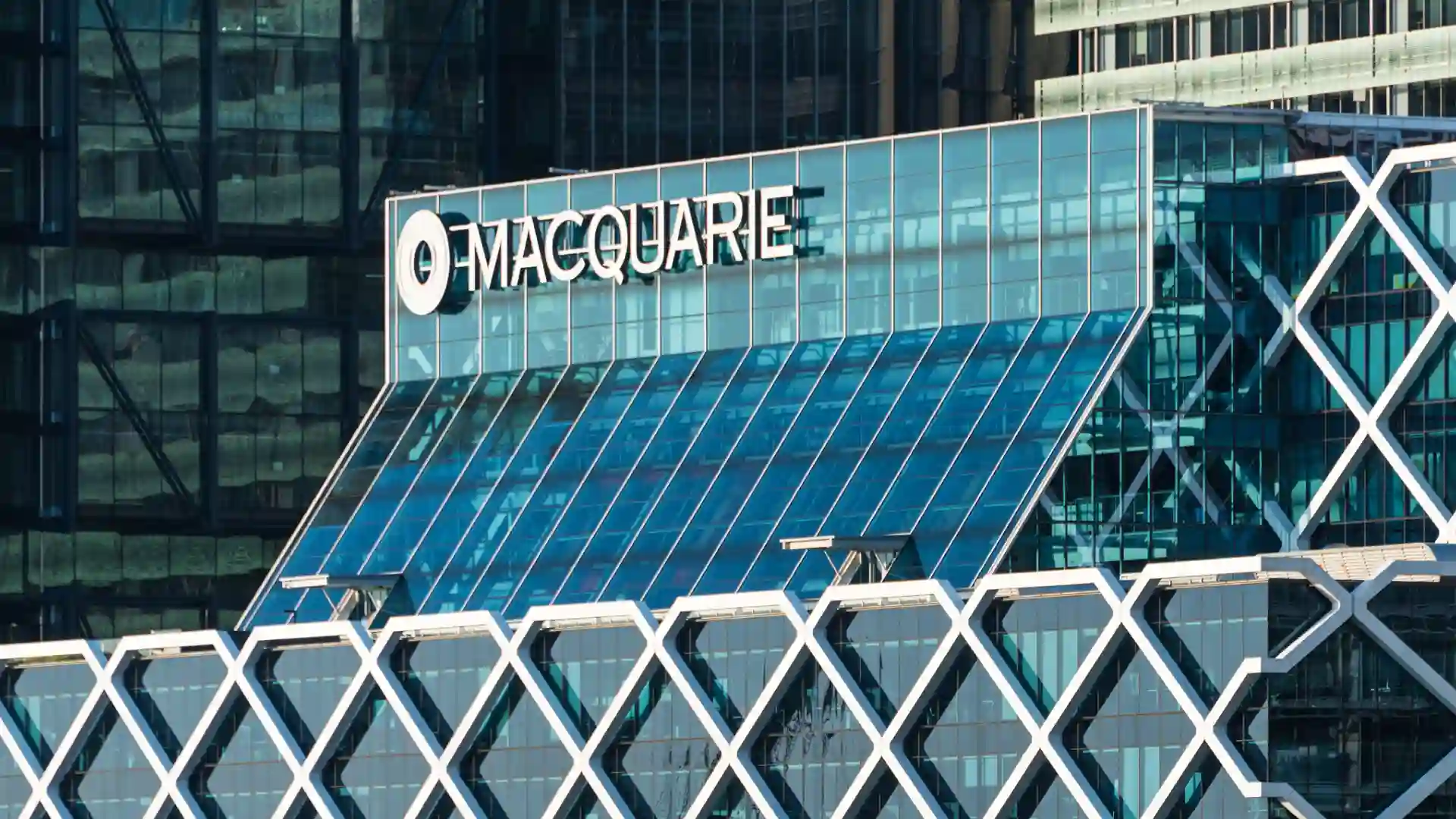
Macquarie’s Strategic €51M Wind Bet in Finland: A Deep Dive into Energy Transition Financing
In a landscape increasingly defined by energy transition imperatives and volatile commodity markets, Macquarie Asset Management has made a notable move, committing €51 million in second lien financing to an operational wind platform in Finland. This investment, directed towards eight wind farms with a combined capacity of 218 MW, signals a continued shift in capital allocation towards proven renewable assets, even as traditional oil and gas markets exhibit renewed vigor. For investors navigating the complex interplay between fossil fuels and clean energy, this transaction offers valuable insights into the evolving strategies of major financial institutions and the specific attributes making Nordic renewables an attractive proposition.
Deconstructing the Finnish Wind Investment: Stability Amidst Nordic Evolution
Macquarie’s €51 million second lien financing is not merely a capital injection; it’s a strategically tailored package designed to support the refinancing of an existing, operational wind portfolio owned by Taaleri Energia funds. The 218 MW capacity spread across eight sites in Central-South Finland provides immediate, de-risked generation, appealing to investors seeking stable returns. The “bespoke terms” of this financing are particularly noteworthy, aimed at providing “flexibility in navigating the evolving Nordic power market.” This implies an understanding of the unique dynamics of the region, including fluctuating power prices, increasing grid integration of renewables, and progressive policy frameworks pushing towards carbon neutrality. For Finland, onshore wind is a critical component of its decarbonization pathway, making such infrastructure investments foundational to national energy security and environmental goals. This specific deal also fits within Macquarie’s broader, substantial commitment to the renewable energy sector, which has seen its Credit & Insurance division provide €4.2 billion in debt financing to projects since 2014, underscoring a consistent, long-term strategic focus on green infrastructure.
Market Contradictions: Renewables Thrive as Crude Surges
The timing of Macquarie’s latest renewable energy commitment offers a fascinating counterpoint to the immediate performance of traditional energy markets. As of today, Brent crude trades at $98.87, marking a robust 4.15% increase within a single day, while WTI crude sits at $90.76, up 2.98%. Gasoline prices have also climbed to $3.08, reflecting a 2.66% gain. This daily upward swing comes despite a notable 12.4% decline in Brent over the past 14 days, falling from $108.01 to $94.58. This volatility in the fossil fuel complex underscores the inherent appeal of operational renewable assets for institutional investors. While crude oil prices can swing dramatically based on geopolitical events, supply decisions, or demand shocks, a portfolio of established wind farms typically offers more predictable cash flows, often underpinned by long-term power purchase agreements or stable regulatory frameworks. This divergence highlights a key investment thesis: capital is increasingly seeking stability and de-correlated returns, even as traditional energy assets experience short-term price rallies.
Navigating Future Volatility: Upcoming Events and Portfolio Resilience
Looking ahead, the broader energy market remains highly sensitive to a series of critical upcoming events, which will undoubtedly influence investor sentiment across the entire energy spectrum. Our calendar highlights key dates, including the Baker Hughes Rig Count on April 17th and April 24th, offering insights into drilling activity. More significantly, the OPEC+ JMMC meeting on April 18th and the full Ministerial Meeting on April 20th are poised to deliver crucial decisions regarding global oil supply. These developments, alongside the API and EIA Weekly Crude Inventory reports on April 21st, 22nd, 28th, and 29th, will provide fresh data points on supply-demand balances and could inject further volatility into crude markets. For investment analysts, Macquarie’s decision to provide “highly tailored terms” for its Finnish wind financing can be seen as a proactive measure to build resilience against such external shocks. By securing operational assets with flexible debt structures, they are positioning the platform to better navigate potential shifts in energy prices and policy, ensuring continued performance regardless of the short-term gyrations in the fossil fuel complex.
Addressing Investor Concerns: The Quest for Predictability in an Uncertain World
Our proprietary reader intent data reveals a clear and persistent theme among investors this week: a fervent desire for clarity on future crude prices. Queries such as “Build a base-case Brent price forecast for next quarter” and “What is the consensus 2026 Brent forecast?” dominate discussions, reflecting significant anxiety about market direction. This focus on forecasting, coupled with questions about specific demand drivers like “How are Chinese tea-pot refineries running this quarter?” and “What’s driving Asian LNG spot prices this week?”, underscores a broader search for predictable investment avenues. In this context, Macquarie’s investment in operational wind assets directly addresses this investor need for stability. Unlike the speculative nature of predicting future crude movements, operational renewable projects offer more transparent financial models, often supported by long-term contracts. This move represents a strategic diversification away from the inherent volatility of hydrocarbon commodities, providing a more robust, long-term growth profile that appeals to institutions seeking to balance their portfolios against the unpredictable swings of the global oil and gas market.


