Lufthansa’s Flight Cancellations Signal Deepening Energy Market Turmoil
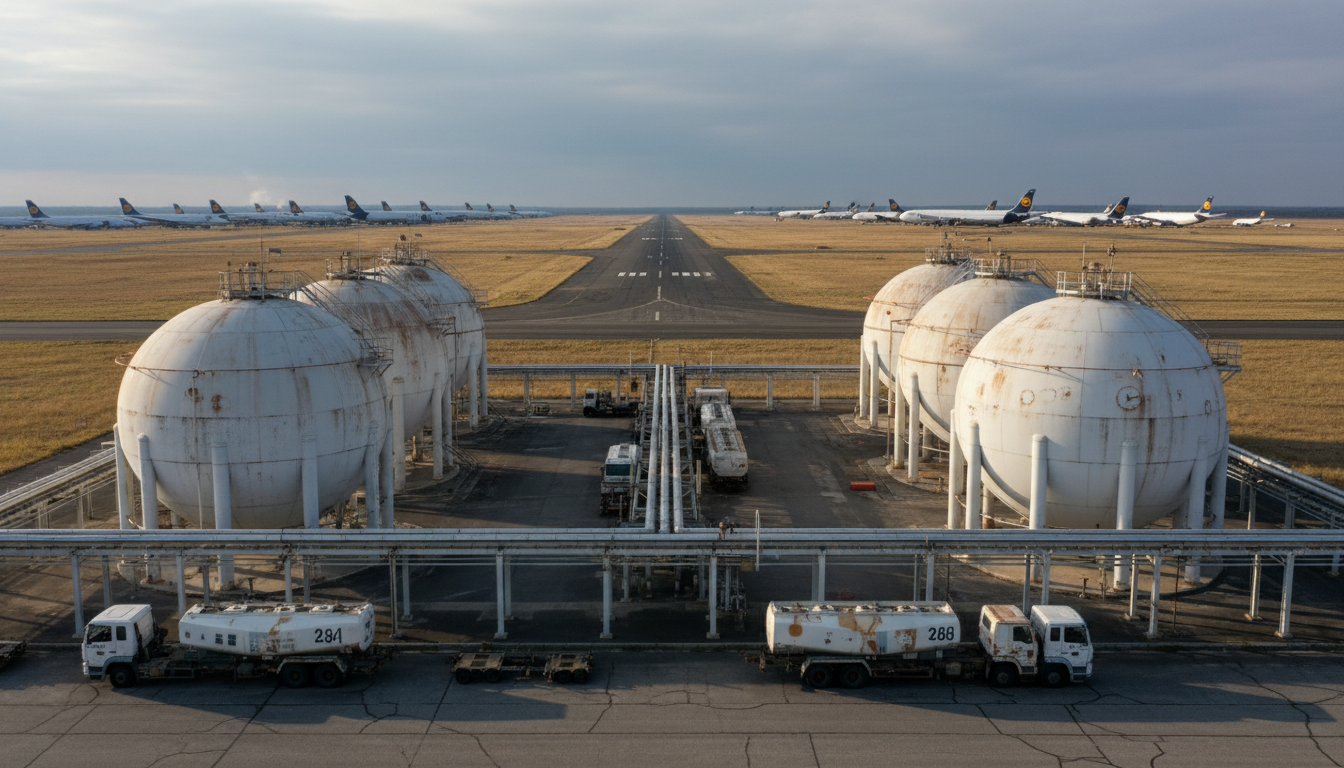
Europe’s premier airline group, Lufthansa, has announced a significant reduction in its European summer flight schedule, pulling 20,000 short-haul flights. This dramatic operational adjustment, impacting routes through October, underscores the severe headwinds buffeting the aviation sector: a relentless surge in jet fuel prices and a tightening grip on supply. For investors tracking the intricate dynamics of global energy markets, this move by one of the continent’s largest carriers serves as a stark reminder of escalating geopolitical risks and the enduring fragility of refining infrastructure.
The decision to ground these flights is not merely a strategic choice but an economic imperative. Lufthansa estimates that eliminating these uneconomical journeys will conserve approximately 40,000 metric tons of jet fuel. This conservation effort directly addresses the unprecedented cost pressures, with jet fuel prices having more than doubled since the onset of intensified regional conflicts in the Middle East. Such an extreme price escalation, pushing operating costs to unsustainable levels for certain routes, directly impacts airline profitability and demands swift, decisive action.
Strategic Maneuvers Amidst Soaring Kerosene Costs
Lufthansa’s proactive measures extend beyond simple flight cancellations. The airline has also accelerated plans to trim its overall flight program and retire a portion of its older aircraft fleet ahead of schedule. Till Streichert, Chief Financial Officer of Lufthansa Group, candidly articulated the necessity of these moves, stating that such “fleet and capacity measures” are “unavoidable in light of the sharply increased kerosene costs and geopolitical instability.” This acknowledgment highlights the multifaceted nature of the challenge, where energy economics intersect with global politics to create an incredibly complex operating environment for aviation. Despite these immediate cutbacks, Lufthansa expresses cautious optimism regarding its overall fuel access for the summer timetable, emphasizing ongoing efforts in physical procurement and strategic price hedging to secure essential supplies.
The Anatomy of Europe’s Jet Fuel Crisis
The current predicament stems from a confluence of long-term structural issues and immediate geopolitical shocks. Europe’s reliance on external jet fuel sources has become a critical vulnerability. Recent escalations of conflict in the Middle East, particularly affecting key maritime arteries like the Strait of Hormuz, have severely curtailed the flow of jet fuel into the European market. These disruptions effectively severed a major supply lifeline, creating an immediate and acute shortage. The last cargoes from the Middle East, having navigated Hormuz before the conflict fully erupted, have now reached their destinations, leaving Europe searching for alternatives.
Adding to this immediate crisis is a decades-long decline in Europe’s domestic refining capacity. For nearly two decades, the continent has seen numerous refineries permanently shut down or repurposed for biofuel production. While the transition to more sustainable energy sources is a long-term goal, the rapid erosion of conventional refining infrastructure has left Europe highly exposed to external supply shocks, particularly for specialized products like jet fuel. This structural deficit means that local production is simply insufficient to meet current demand, even under normal market conditions, let alone during a period of geopolitical stress.
Global Scramble: High Prices and Fierce Competition
The scarcity has driven jet fuel prices to unprecedented heights, with benchmarks spiking to over $200 per barrel. This meteoric rise reflects not just the supply crunch but also the intense global competition for dwindling available barrels. Currently, the United States stands as the primary alternative source for Europe’s jet fuel needs. However, the volumes available from the U.S. are proving woefully inadequate to fully compensate for the loss of Middle Eastern supplies.
Furthermore, Europe faces fierce competition from Asian markets, which are grappling with a parallel, though distinct, set of energy challenges. Asia itself has experienced significant disruptions in crude supply from the Middle East, prompting its refiners to cut operational runs. This, combined with national governments imposing fuel export restrictions to safeguard domestic supplies, creates a global bidding war for available product. The interconnectedness of global energy markets means that a crisis in one region quickly ripples outwards, exacerbating shortages and driving up prices worldwide. For investors, this highlights the critical need to assess not just regional supply-demand dynamics but also the broader global competitive landscape for refined petroleum products.
Investment Outlook: Navigating the Turbulent Skies
The implications for investors are profound and far-reaching. For the airline sector, sustained high jet fuel prices translate directly into compressed margins, potentially higher ticket prices for consumers, and continued operational adjustments. Airlines are forced to balance network profitability against the imperative of maintaining connectivity, leading to strategic decisions like Lufthansa’s flight cancellations. This environment necessitates a close examination of airline balance sheets, fuel hedging strategies, and long-term capacity plans.
In the energy sector, the crisis underscores the strategic value of refining assets, particularly those capable of producing high-demand products like jet fuel, or those with flexible feedstocks. It also accelerates the discussion around energy security and diversification of supply, potentially driving further investment into alternative aviation fuels and resilient supply chain infrastructure. Companies with robust logistics and trading arms, capable of navigating complex and volatile global energy flows, may find strategic advantages. The current volatility serves as a powerful reminder that geopolitical events can rapidly reshape commodity markets, making informed, strategic investment decisions in the oil and gas sector more critical than ever before.