L’Oréal Green Fund: Future Petrochem Demand Outlook
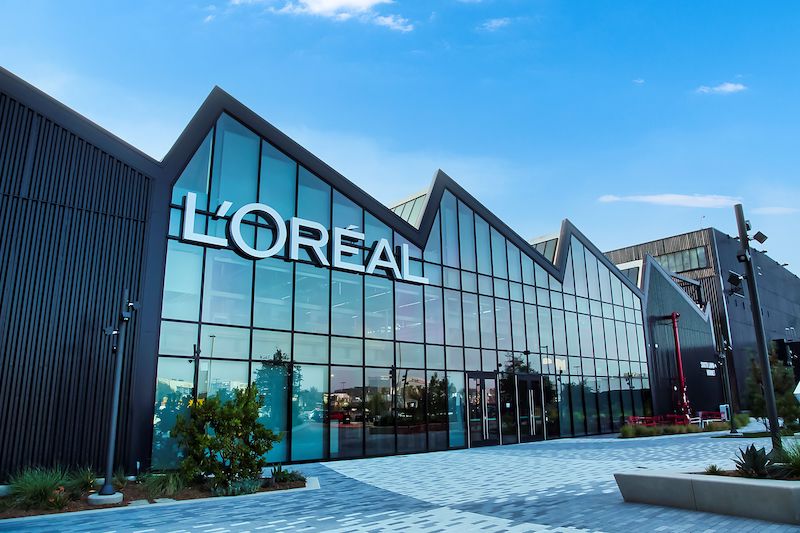
The global energy landscape is in constant flux, driven not only by geopolitical shifts and supply-side dynamics but increasingly by the evolving demands of downstream industries. A recent strategic move by L’Oréal Groupe, the beauty industry titan, serves as a potent signal for oil and gas investors regarding the future trajectory of petrochemical demand. With a commitment of €100 million over five years into its Sustainable Innovation Accelerator, L’Oréal is actively scouting and scaling breakthrough sustainability solutions. While seemingly niche, this initiative, in partnership with the University of Cambridge Institute for Sustainability Leadership (CISL), directly targets technologies that will displace traditional fossil-derived petrochemicals, offering a glimpse into the structural changes impacting demand profiles for polymers, specialty chemicals, and packaging materials.
The Beauty Sector’s Petrochemical Pivot: A €100M Signal
L’Oréal’s substantial €100 million investment into sustainability innovation is not merely a corporate social responsibility play; it’s a strategic realignment with significant implications for the petrochemical sector. The accelerator program, open for applications until September 30, 2025, focuses on seven critical areas designed to de-link the beauty industry from its reliance on virgin fossil resources. These areas include plastic alternatives, biobased or recycled ingredients and materials, circular packaging solutions, and low-carbon technologies. Consider the ripple effect: a global leader committing such capital to develop biodegradable packaging or alternative ingredients means a direct, albeit initially small, erosion of demand for conventional plastics like polyethylene, polypropylene, and various synthetic chemicals currently derived from crude oil and natural gas. Investors must recognize this as a leading indicator of broader industry shifts, where consumer-facing companies are increasingly willing to pay a premium for sustainable inputs, fundamentally altering the long-term demand curve for petrochemical feedstocks.
Current Crude Dynamics Vs. Emerging Demand Headwinds
While long-term structural shifts are underway, the immediate focus for many oil and gas investors remains on current market dynamics. As of today, Brent crude trades at $95.35 per barrel, reflecting a 0.59% gain, with WTI crude posting a stronger increase of 1.29% to $92.46. Gasoline prices are also up, currently at $3.02 per gallon. This short-term strength underscores ongoing supply tightness and robust demand for transportation fuels. However, juxtapose this immediate price action with the recent 14-day trend for Brent, which saw prices decline by 8.8% from $102.22 to $93.22. This volatility highlights the delicate balance between supply-side concerns and demand uncertainty. The €100 million L’Oréal investment, while not impacting current crude prices, represents a critical long-term demand headwind. As more industries follow suit in reducing their petrochemical footprint, the cumulative effect will become increasingly significant, potentially tempering future demand growth forecasts for the light ends of the barrel, a crucial input for plastics and chemicals.
Navigating Near-Term Volatility: Upcoming Market Catalysts
Even as the long-term energy transition narrative gains traction, tactical investors remain focused on the catalysts driving near-term price movements. The coming weeks are packed with significant events that could inject fresh volatility into crude markets. On April 17th and 24th, the Baker Hughes Rig Count will offer a crucial read on North American production trends. More critically, the OPEC+ Joint Ministerial Monitoring Committee (JMMC) meeting on April 18th, followed by the full Ministerial Meeting on April 20th, will be closely watched for any signals regarding production quotas or supply strategy adjustments. Any unexpected shifts from the cartel could quickly swing prices. Furthermore, the weekly API and EIA crude inventory reports, scheduled for April 21st, 22nd, 28th, and 29th, will provide vital snapshots of U.S. supply and demand balances, often leading to intraday price reactions. These events offer short-term trading opportunities and risks, requiring investors to maintain agility even as they monitor the unfolding long-term demand transformation heralded by initiatives like L’Oréal’s accelerator.
Addressing Investor Concerns: Implications for Brent Forecasts
A recurring theme in investor queries this week revolves around Brent crude price forecasts, particularly for the next quarter and the consensus outlook for 2026. While geopolitical tensions and OPEC+ decisions will largely dictate short-term price action, initiatives like L’Oréal’s Sustainable Innovation Accelerator introduce a new layer of complexity to long-term demand modeling. The accelerating drive towards biobased materials, recycled content, and circular business models, even if currently representing a small fraction of total petrochemical demand, cumulatively contributes to a more cautious long-term demand growth outlook. For investors building a base-case Brent forecast for the coming quarters and into 2026, it becomes imperative to factor in not just traditional economic growth and supply elasticity, but also the increasing capital deployment towards demand displacement technologies. While the immediate impact on global crude balances is minimal, the trend signals a fundamental shift in industrial procurement, suggesting that the upside potential for crude prices could become increasingly constrained by these structural demand-side pressures in the years to come, influencing the upper bound of 2026 consensus forecasts.


