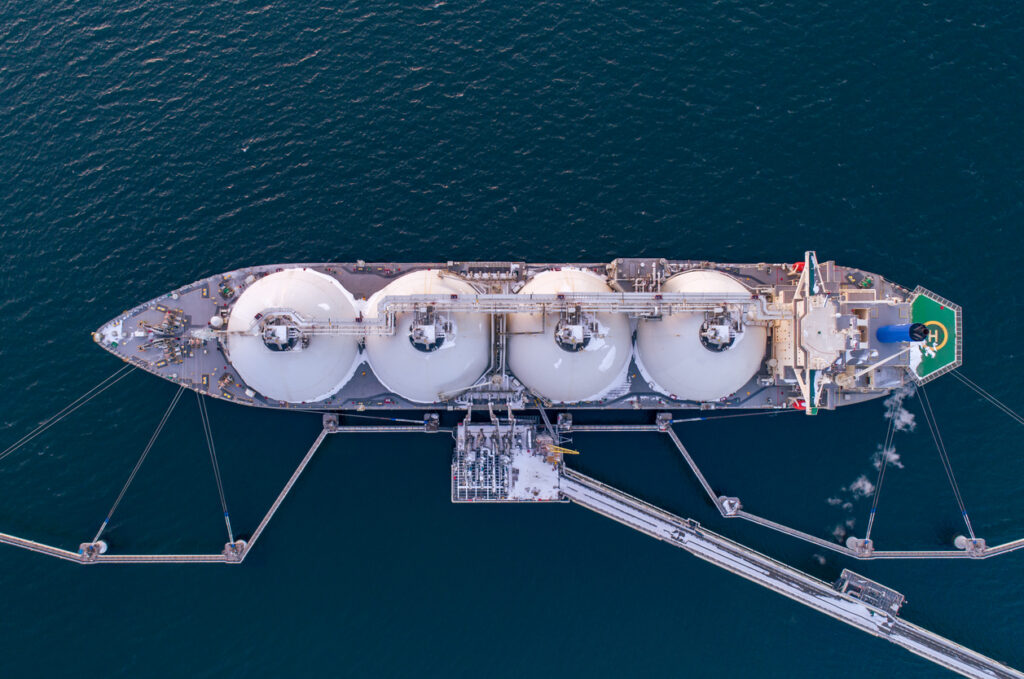
The global energy landscape is on the cusp of a significant transformation, driven by an unprecedented wave of liquefied natural gas (LNG) supply set to hit markets by the end of this decade. This impending surge, fueled by billions in capital expenditure on new export terminals from major players like ADNOC, promises to fundamentally reshape natural gas pricing and demand dynamics. For investors, the critical question is not just the volume of this new supply, but its long-term impact on global energy economics, particularly how lower prices might or might not unlock sustainable new demand. This analysis delves into the nuances of this supply expansion, contrasting it with current market volatility and forward-looking indicators, to provide a comprehensive outlook for discerning investors.
The Looming LNG Supply Tsunami
A substantial expansion in global LNG export capacity is rapidly taking shape, promising to dramatically increase the availability of super-chilled fuel. This includes significant projects such as Abu Dhabi National Oil Co.’s (ADNOC) plant at Ruwais, which alone is projected to more than double the company’s export capabilities. This is not an isolated development; it’s part of a broader industry trend where suppliers are investing massive sums into new liquefaction facilities. The underlying bet is that this increased supply, by driving down prices, will stimulate robust consumption growth, particularly across the emerging world. According to industry executives, historically, more competitive prices have been a catalyst for creating new demand. When price-sensitive markets commit to LNG, they often make substantial investments in receiving terminals and associated infrastructure, thereby establishing a sticky, long-term demand base that is unlikely to revert.
This perspective is largely corroborated by leading energy organizations, including the International Energy Agency (IEA), which anticipates record demand for natural gas in the coming year. The IEA specifically points to burgeoning consumption in price-sensitive Asian markets, alongside growing needs in Africa and the Middle East. These regions are seen as key battlegrounds for future LNG demand, where the affordability of gas relative to other energy sources will dictate adoption rates. The sheer scale of these investments underscores a strong conviction among producers that the global appetite for natural gas, especially in its liquefied form, will continue its upward trajectory, albeit with a crucial dependency on price elasticity.
Market Volatility and the Crude Backdrop
While the long-term outlook for LNG supply and demand is being shaped, the broader energy market continues to exhibit considerable short-term volatility, which invariably influences investor sentiment across the sector. As of today, April 19, 2026, Brent crude trades at $90.38 per barrel, marking a significant daily decline of 9.07%. This recent downturn extends a broader trend, with Brent having fallen nearly 20% from its $112.78 peak recorded just two weeks prior on March 30th. Similarly, WTI crude has seen a sharp 9.41% daily drop, now standing at $82.59, while gasoline prices have also retreated to $2.93, down 5.18%.
This backdrop of declining crude prices creates a complex environment for investors evaluating large-scale, capital-intensive LNG projects. Many of our readers are actively seeking clarity on the future of oil prices, with a frequent question being, “What do you predict the price of oil per barrel will be by the end of 2026?” While LNG and crude oil markets operate with distinct supply-demand dynamics, a sustained period of lower crude prices can dampen overall investor confidence in the energy sector, potentially impacting the cost of capital for new LNG ventures. The recent sharp declines suggest a significant shift in market sentiment, moving away from the higher price ranges seen earlier in the month, signaling a cautious period for energy commodity investments.
Uncertain Demand Dynamics: The “Sticky” Factor
The core thesis driving billions in LNG investment hinges on the belief that lower prices will not only stimulate demand but create a “sticky” consumption base. This concept is crucial for investors, implying that once new buyers, particularly price-sensitive emerging economies, integrate LNG into their energy mix and build the necessary import infrastructure, they will remain long-term customers. The rationale is compelling: investing in receiving terminals, regasification facilities, and distribution networks represents a significant sunk cost, making it economically challenging to pivot away from LNG once adopted.
However, the path to guaranteed demand growth is not without its hurdles. The experience of Pakistan serves as a salient example of this uncertainty. Once considered a rapidly expanding market for LNG, Pakistan has begun to shift its national energy strategy away from the super-chilled fuel. This reorientation is partly attributable to years where LNG prices were not consistently competitive, coupled with a strategic buildout of domestic solar power capacity. This case highlights a critical risk for investors: while lower prices can attract new buyers, the availability and cost-competitiveness of alternative energy sources, especially renewables, can undermine the “sticky” demand premise. For investors, understanding the unique energy policy landscapes and competitive dynamics within target emerging markets is paramount to accurately assessing the long-term viability of these multi-billion-dollar LNG bets.
Navigating the Near-Term with Key Calendar Events
While the LNG supply surge is a multi-year development, short-term market events provide crucial signals that can influence investor sentiment and strategic planning. Investors will be keenly focused on the upcoming OPEC+ Joint Ministerial Monitoring Committee (JMMC) Meeting on April 19th, followed immediately by the full OPEC+ Ministerial Meeting on April 20th. Decisions from these gatherings regarding crude production quotas will have a direct impact on global oil supply and prices, which, as discussed, can indirectly affect capital allocation in the broader energy sector. The market’s interpretation of these meetings will be vital for assessing near-term stability.
Beyond OPEC+, investors will also be monitoring critical weekly data releases. The API Weekly Crude Inventory report on April 21st and the EIA Weekly Petroleum Status Report on April 22nd will offer insights into current crude and refined product supply-demand balances in the United States. These reports, alongside their subsequent releases on April 28th and April 29th, respectively, provide a snapshot of market health. Furthermore, the Baker Hughes Rig Count, scheduled for release on April 24th and May 1st, serves as a forward-looking indicator for North American drilling activity, including potential associated gas production. As investors grapple with questions like “What are OPEC+ current production quotas?” and aim to predict long-term oil prices, the outcomes of these near-term events will provide invaluable directional cues for navigating the complex energy market landscape.
The impending surge in LNG supply represents a monumental shift for the global energy market, presenting both immense opportunities and significant risks for investors. While the prospect of lower prices stimulating new, sticky demand in emerging markets is compelling, the track record of countries like Pakistan demonstrates that this growth is not guaranteed and faces competition from alternative energy sources. Against a backdrop of recent volatility in crude oil prices, discerning investors must carefully weigh the long-term potential of expanding LNG markets against immediate market realities and the nuanced energy policies of importing nations. Monitoring key upcoming events and understanding the intricate interplay of supply, demand, and geopolitical factors will be essential for capitalizing on the evolving LNG landscape.