Librec Inaugurates European EV Battery Recycling Powerhouse, Reshaping Critical Mineral Supply
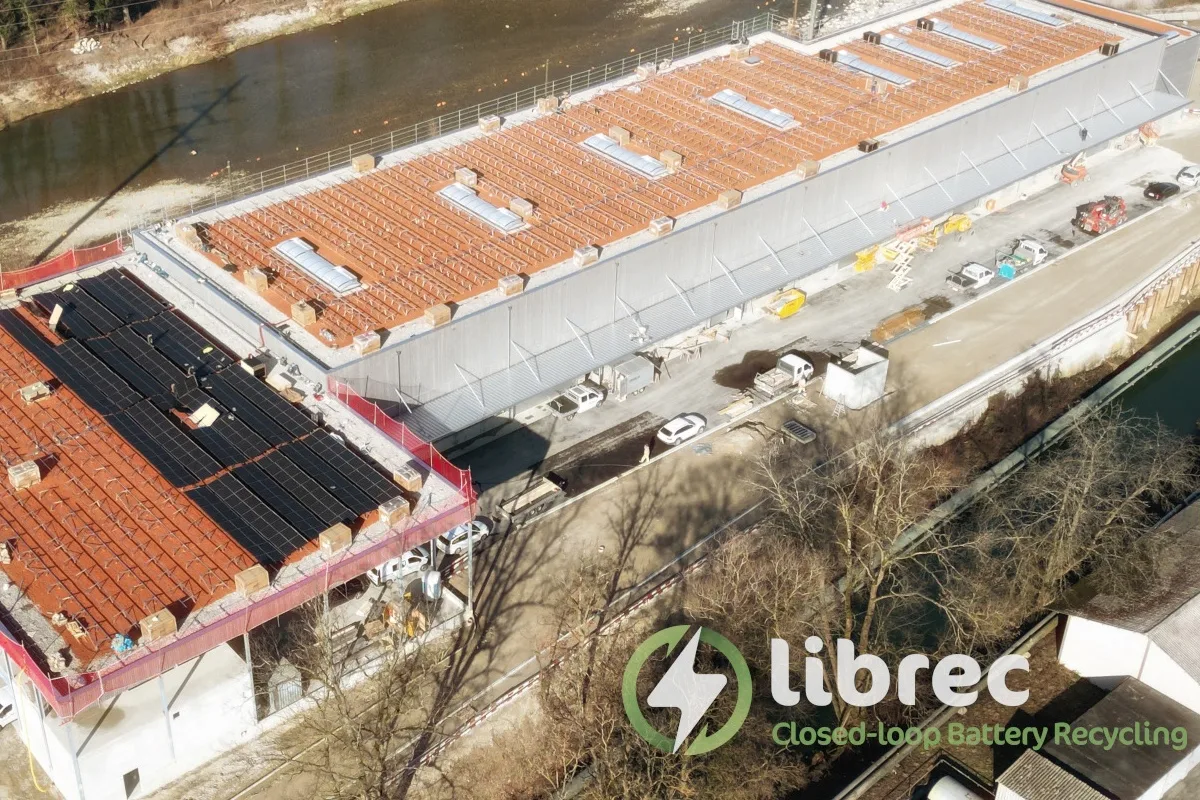
The landscape of European energy independence and raw material security just gained a significant new player. Librec, a Swiss innovator, has officially launched its state-of-the-art industrial recycling facility for electric vehicle (EV) batteries in Biberist, Switzerland. This landmark plant, constructed on the former grounds of a paper factory, represents a pivotal step in establishing a robust circular economy for the critical minerals essential to the global energy transition. For investors tracking the evolving dynamics of commodities and industrial infrastructure, Librec’s entry signals a powerful shift towards localized, sustainable supply chains for the accelerating EV market.
With an impressive annual capacity designed to process 12,000 tons of electric car batteries, this facility is poised to make a substantial impact on Europe’s ability to manage its burgeoning EV waste stream. The Biberist operation, first announced last summer, is not just about volume; it boasts a recovery rate exceeding 97% for valuable materials, a figure Librec highlights as previously “unattained” within the industry. This high efficiency applies to both end-of-life vehicle batteries and manufacturing rejects, underscoring its dual role in waste management and industrial resource optimization. Such recovery metrics are crucial for minimizing environmental footprint and maximizing economic yield from every ton processed.
Operational Prowess and Sustainable Energy Integration
The operational design of the Librec plant reflects a commitment to both efficiency and sustainability. At full operational capacity, the facility will run continuously on a three-shift schedule, ensuring constant processing flow. A key innovation lies in its energy management system: upon arrival, batteries undergo a complete discharge. This extracted energy is not wasted but is strategically channeled back into the recycling plant, covering a remarkable one-third of its total energy requirements. The remaining two-thirds are sourced entirely from renewable energy, much of which is generated directly on the plant’s rooftops. This integrated approach to energy use not only reduces operating costs but also significantly enhances the plant’s overall environmental credentials, a compelling factor for ESG-conscious investors.
Librec’s ambition extends beyond specific battery types; the company aims to recycle batteries from all manufacturers, establishing itself as a universal solution provider. The core process involves several crucial steps: after initial energy discharge, batteries are meticulously dismantled, then shredded, and finally dried. This sophisticated mechanical processing culminates in the creation of “black mass,” a highly concentrated powder rich in critical raw materials. This black mass is the invaluable intermediate product, ready to be fed directly back into the production cycle for new batteries, thereby closing the loop on vital resources.
The Strategic Value of Black Mass and European Independence
The transformation of crushed batteries into black mass is where the true strategic value for Europe emerges. From this concentrated powder, essential raw materials such as cobalt, lithium, nickel, copper, and aluminum can be efficiently extracted and refined. These are the very metals that power the modern economy, from electric vehicles to grid-scale energy storage, and their secure supply is paramount for industrial resilience.
Historically, the vast majority of black mass generated in Europe faced a significant bottleneck: limited regional processing capacity. This forced reliance on facilities primarily located in China and Southeast Asia, leading to the logistical and economic burden of shipping shredded batteries across continents. This dependency not only adds to carbon emissions but also creates vulnerability in the European supply chain for these strategic commodities. Librec’s Biberist plant directly addresses this challenge, enabling critical raw materials to remain within regional loops of perpetual use, reuse, and recycling, thereby bolstering Europe’s drive towards greater energy and industrial independence.
Jodok Reinhardt, Managing Director of Librec, emphasizes the quality and competitive edge of their output: “We are receiving very good feedback on our central recyclate, the so-called black mass, and can assume that we are currently producing the best black mass in Europe at the most attractive conditions and with maximum sustainability.” This assertion highlights Librec’s confidence in its processing technology and its ability to deliver a superior product, positioning it as a key player in the nascent European battery materials market.
Vision for Expansion and Global Impact
While Librec’s initial operational focus is firmly rooted in Switzerland, the company holds clear ambitions for internationalization. Jürg Steiger, Chairman of the Board of Directors of Librec, articulated this strategic trajectory: “Next, we want to consolidate our operations in Biberist and maximize capacity utilization. Based on this experience, we will examine attractive partners for cooperation abroad and also our own projects abroad.” This phased approach suggests a methodical expansion, leveraging proven expertise from the Biberist site to inform future ventures, either through partnerships or direct investments in other geographies. For investors, this signals a potential for scalable growth within a rapidly expanding global market for battery recycling.
The Biberist site is also becoming a hub for battery innovation, incidentally hosting Libattion, another entity that recently launched an upcycling facility for electric vehicle batteries. This co-location fosters an ecosystem of expertise and innovation, further solidifying the region’s role in the evolving battery lifecycle management sector. Librec’s timely entry into industrial-scale EV battery recycling marks a significant milestone for Europe’s sustainable industrial future. By efficiently recovering critical raw materials, minimizing energy consumption, and strategically planning for expansion, Librec is not just recycling batteries; it is actively constructing the vital infrastructure for a resilient, circular economy that underpins the global energy transition. For those monitoring the intersection of commodities, technology, and environmental responsibility, Librec presents a compelling case study in strategic investment within the new energy paradigm.