Li Auto’s Battery Bet: A Deeper Dive into EV Supply Chain Control
In a strategic move set to reshape its production capabilities and long-term cost structure, Li Auto has formalized a joint venture (JV) with Sunwoda’s battery arm, SEVB. This newly registered entity, based in Shandong, signifies a pivotal shift towards deeply integrated, self-developed battery manufacturing for the ambitious electric vehicle maker. For investors tracking the dynamic EV landscape, this isn’t merely a supply agreement; it’s a bold declaration of intent to control one of the most critical and expensive components in an EV, positioning Li Auto for enhanced brand legitimacy, cost efficiency, and technological differentiation in an increasingly competitive market.
The Strategic Imperative: Mastering the Battery Supply Chain
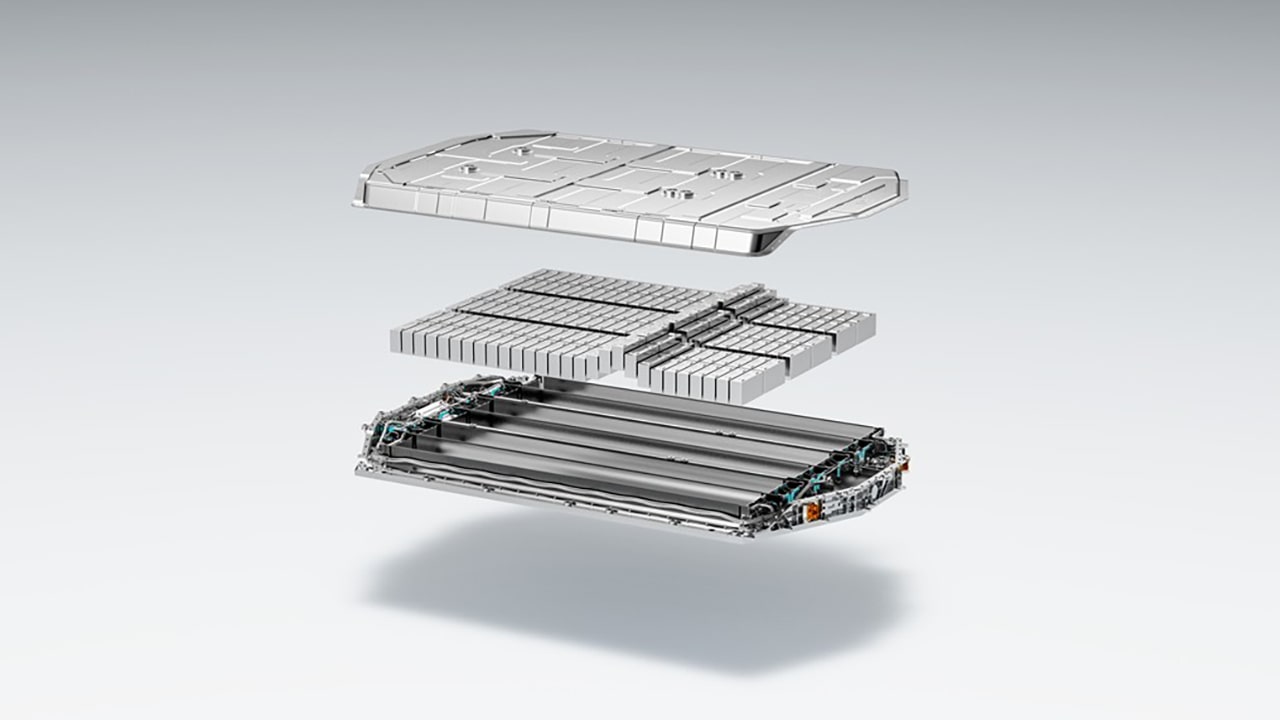
Li Auto’s decision to form an equal capital contribution JV with SEVB, specifically for the production and sale of lithium-ion batteries, underscores a core strategic imperative shared by top-tier EV manufacturers: gaining mastery over the battery supply chain. Batteries typically account for a substantial 30-35% of an electric vehicle’s total cost, making them central to profitability and pricing power. This JV, according to insider insights, falls squarely into Li Auto’s “self-developed and self-produced” category of supply chain collaboration, reserved for core components where the company leads design, process, and materials, and where no mature external supplier perfectly aligns with its values or strategic vision. This contrasts with its co-development project with CATL, highlighting a multi-faceted approach to battery sourcing that prioritizes both strategic control and diversified partnerships. The company’s prior success with similar ventures for range extenders and electric drive systems, through entities like Huixiang, provides a proven blueprint for this latest move.
Navigating Energy Market Volatility: EV Sector Builds Resilience
While the broader energy markets grapple with significant fluctuations, the EV sector continues to build internal resilience. As of today, Brent crude trades at $90.38 per barrel, marking a sharp 9.07% decline within the day, and reflecting a considerable 18.5% drop over the last 14 days from $112.78 to $91.87. This volatility in traditional energy underscores the strategic importance of EV makers like Li Auto securing their own supply chains, insulating them from external price shocks in key components. Investors are increasingly seeking clarity on the sustainability of EV growth, and Li Auto’s aggressive push into in-house battery production directly addresses these concerns. With a dedicated R&D team of over 200 members, focused heavily on advanced technologies like 5C ultrafast charging batteries, Li Auto is not just securing supply but driving innovation from within, covering chemistry, structural design, and Battery Management System (BMS) algorithms. This deep involvement signals a long-term commitment to technological leadership and cost optimization, critical factors for investor confidence in the evolving energy landscape.
Forward Outlook: Production & Investor Focus on Long-Term Strategy
The establishment of this JV paves the way for Li Auto’s self-developed batteries to be integrated into its vehicles as early as next year. This rapid timeline, closely tracked by president Ma Donghui with reviews roughly every two weeks, indicates the high priority and significant investment Li Auto is placing on this initiative. For investors, particularly those asking about the long-term trajectory of the energy market and predicting oil prices by the end of 2026, understanding the robustness of the EV supply chain is paramount. While traditional oil markets brace for key updates, with the OPEC+ Joint Ministerial Monitoring Committee (JMMC) meeting scheduled for tomorrow, April 18th, and the full ministerial meeting on April 19th, alongside the upcoming EIA weekly petroleum status reports next week, the long-term investment horizon increasingly factors in the resilience and innovation of EV supply chains. Li Auto’s move towards internalizing battery production is a strong signal that the company is proactively managing its future costs and ensuring supply, a proactive stance that can drive sustained growth regardless of external commodity price movements. The concurrent strategic cooperation agreement with CATL further highlights a mature strategy of diversification, ensuring supply security and cost control as the company scales.
Investment Implications: Control, Customization, and Competitive Edge
For investors, Li Auto’s battery JV with SEVB offers several compelling implications. Firstly, it provides enhanced control over one of the most capital-intensive components, crucial for managing costs and improving margins in a sector known for its intense competition. Secondly, it enables deeper customization and integration of battery technology with vehicle design, potentially unlocking performance advantages such as the targeted 5C ultrafast charging. This level of vertical integration can differentiate Li Auto’s offerings and strengthen its brand. Just as investors closely monitor OPEC+ production quotas for insights into future oil supply, smart money in the EV space is scrutinizing how companies like Li Auto are securing and optimizing their critical battery supply. By bringing battery development and production closer to home, Li Auto is not just streamlining its operations; it’s building a more resilient, technologically advanced, and cost-effective foundation for its ambitious growth plans, ultimately enhancing its long-term investment appeal in the rapidly accelerating energy transition.


