In the dynamic landscape of global energy, the pace of the electric vehicle (EV) transition remains a critical variable for oil and gas investors. While daily headlines often focus on geopolitical tensions or immediate supply-side shifts, the foundational technological advancements that underpin the energy transition are quietly reshaping long-term demand forecasts. A recent innovation from Swiss measurement technology specialist LEM—a new current sensing unit for EV high-voltage battery management—exemplifies this trend, offering a glimpse into how continuous cost reduction and efficiency gains in EV manufacturing could accelerate adoption and, consequently, impact future petroleum demand. For investors tracking the intricate dance between fossil fuels and emerging energy solutions, understanding these seemingly peripheral developments is paramount.
The EV Cost Curve: A Persistent Headwind for Oil Demand
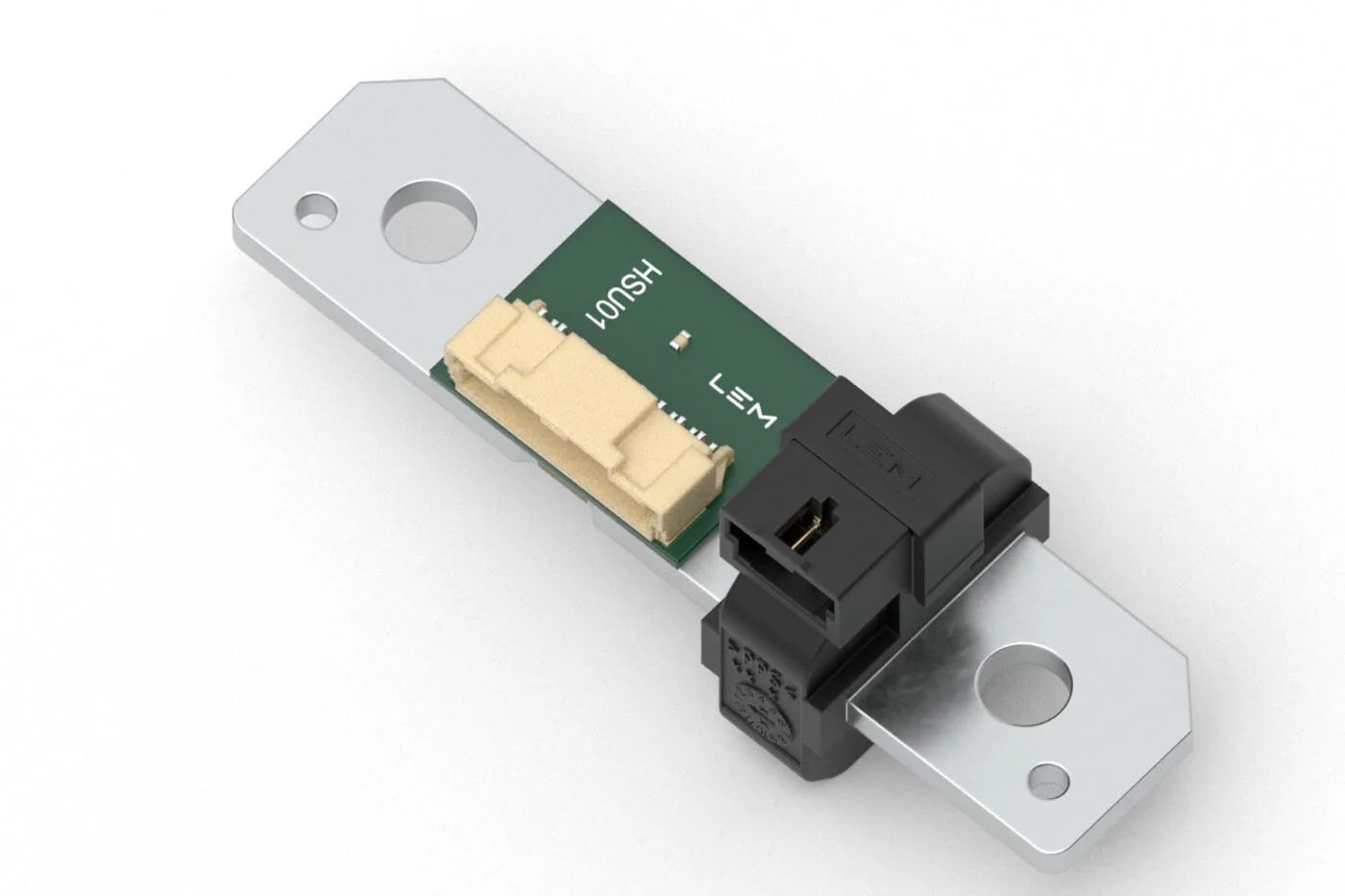
The core challenge for widespread EV adoption has always revolved around cost, range, and charging infrastructure. While range and infrastructure are seeing significant investment, the relentless drive to reduce manufacturing costs is where innovations like LEM’s new ‘Hybrid Supervising Unit’ (HSU) make a tangible difference. By integrating shunt and Hall-effect technologies into a single, compact component, LEM aims to simplify EV battery management systems (BMS), enhance safety, and, crucially, lower the overall bill of materials (BOM) for EV manufacturers. This isn’t just about a single component; it’s indicative of a broader industry trend where every element of the EV supply chain is being optimized for cost and performance. A more cost-effective EV translates directly into a more accessible EV for the mass market, accelerating the displacement of internal combustion engine vehicles and, by extension, gasoline demand. For oil and gas investors, this signifies a persistent, technologically driven erosion of demand, requiring a strategic re-evaluation of long-term investment horizons and portfolio diversification.
Navigating Immediate Volatility Amidst Structural Shifts
While the long-term structural shifts driven by EV innovation are undeniable, the immediate oil market continues to be swayed by a different set of forces. As of today, Brent crude trades at $90.38 per barrel, marking a significant 9.07% decrease within the day, with its range fluctuating between $86.08 and $98.97. Similarly, WTI crude is priced at $82.59, down 9.41%, having traded between $78.97 and $90.34. Gasoline prices have also seen a notable dip, currently at $2.93, a 5.18% reduction, with a daily range of $2.82 to $3.10. This pronounced volatility comes on the heels of a challenging two weeks for crude, with Brent having declined by approximately 18.5% since March 30th, falling from $112.78 to $91.87 by yesterday’s close. These sharp daily and bi-weekly movements highlight the market’s sensitivity to geopolitical events, short-term supply-demand imbalances, and macroeconomic signals. However, for the discerning investor, it’s critical to contextualize this immediate turbulence within the broader narrative of energy transition. While short-term supply shocks or demand spurts can create trading opportunities, the underlying pressure from advancing technologies like cheaper EV components continues to build, creating a long-term demand ceiling that conventional market forces might increasingly struggle to breach.
Investor Focus: Decoding Future Demand and OPEC+’s Role
Our proprietary reader intent data reveals a significant focus among investors on understanding the future trajectory of oil prices and the strategies employed by key market players. Specifically, investors are frequently asking about predictions for the price of oil per barrel by the end of 2026, alongside keen interest in OPEC+’s current production quotas. These questions underscore the dual challenge facing oil and gas investors: projecting demand in an evolving energy landscape and anticipating supply management responses. The continued reduction in EV manufacturing costs, exemplified by LEM’s sensor, directly impacts these demand projections. If EVs become cheaper faster, the demand curve for gasoline shifts more aggressively downwards. This puts immense pressure on OPEC+ to continually assess their production strategies. Will they maintain current quotas, cut further, or even increase supply to manage market share in a potentially shrinking global demand pool? The answers to these questions are not solely dependent on traditional metrics but increasingly on the pace of technological innovation in the alternative energy sector.
Upcoming Catalysts and Strategic Positioning
The coming weeks present several pivotal events that will directly influence short-term market dynamics, forcing investors to weigh immediate reactions against long-term trends. The OPEC+ Joint Ministerial Monitoring Committee (JMMC) meeting tomorrow, April 18th, followed by the Full Ministerial Meeting on April 19th, will be under intense scrutiny. These meetings are crucial for understanding whether the cartel will adjust its production strategy in response to current market volatility and evolving demand forecasts, which now must increasingly factor in the accelerating EV adoption facilitated by innovations like the HSU. Beyond OPEC+, weekly data releases, such as the API Weekly Crude Inventory (April 21st, 28th) and the EIA Weekly Petroleum Status Report (April 22nd, 29th), will offer granular insights into U.S. supply and demand. The Baker Hughes Rig Count (April 24th, May 1st) will provide a barometer of upstream activity. For oil and gas investors, successful navigation requires not only reacting to these immediate catalysts but also strategically positioning portfolios to account for the persistent, cost-driven advancements in EV technology. Companies that are diversifying into lower-carbon energy solutions or focusing on highly efficient, low-cost extraction may be better insulated against the long-term demand erosion driven by such innovations. The future of oil and gas investing hinges on a nuanced understanding of both the ebb and flow of daily market forces and the relentless march of technological progress in the energy transition.