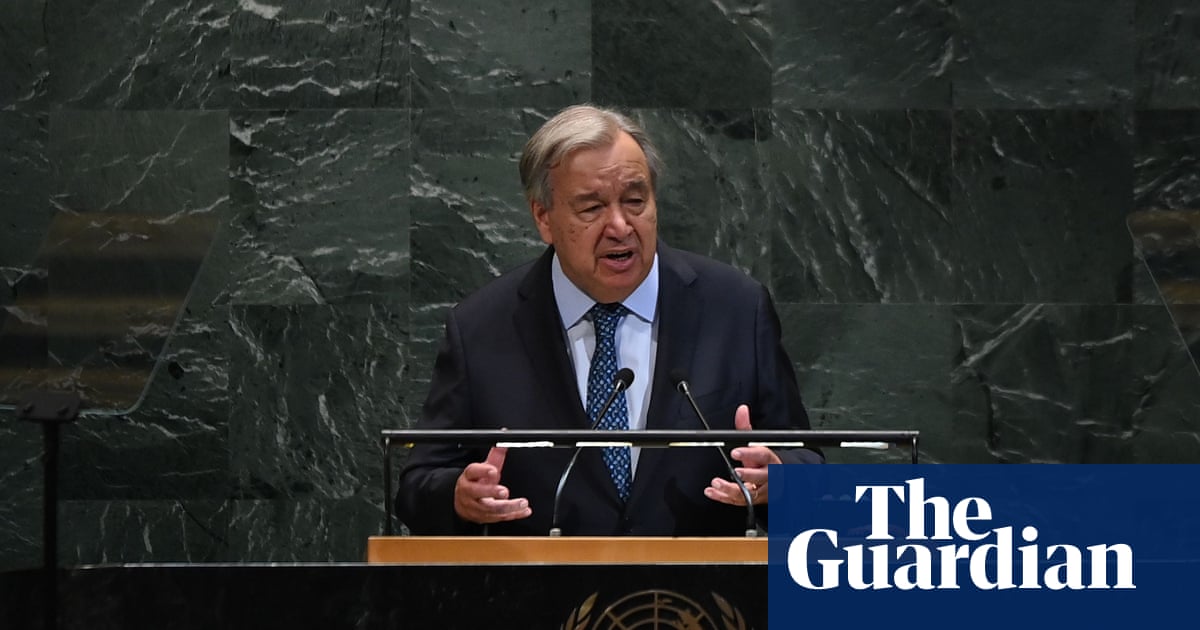
The global energy landscape is undergoing a profound transformation, and the latest pronouncements from world leaders at the United Nations underscore the mounting pressure on the traditional oil and gas sector. With 120 countries and the European Union unveiling renewed commitments to curb planet-heating pollution, investors are confronted with an increasingly complex risk matrix. While the immediate focus remains on market fundamentals, the long-term strategic implications of these climate ambitions, alongside starkly opposing political narratives, demand a sophisticated analytical approach to portfolio positioning.
Market Volatility Reflects Shifting Sands
The immediate market reaction to the confluence of economic signals and intensified climate rhetoric has been significant, signaling investor caution. As of today, Brent Crude trades at $90.38, marking a sharp 9.07% decline within the day, with its trading range stretching from $86.08 to $98.97. Similarly, WTI Crude has fallen to $82.59, down 9.41% today, traversing a daily range of $78.97 to $90.34. Gasoline prices have also seen a notable dip to $2.93, a 5.18% reduction. This immediate downturn is part of a broader trend; Brent Crude has shed $20.91, or 18.5%, over the past 14 days, falling from $112.78 on March 30th to $91.87 just yesterday. Such pronounced volatility highlights the market’s sensitivity to both demand concerns and the growing perception of long-term policy headwinds for fossil fuels. While other factors undoubtedly contribute to these price movements, the renewed global push for emissions reductions adds a layer of uncertainty that investors cannot ignore, influencing sentiment and potentially future demand projections.
Escalating Climate Targets and Long-Term Investment Risks
The UN summit served as a critical platform for governments to signal their intent ahead of the pivotal Cop30 talks slated for November in Brazil. With the UN Secretary-General António Guterres admitting the international goal of limiting global temperature rise to 1.5C is at risk, his call for “much further, much faster” cuts reverberates through the energy sector. Notably, China, the world’s leading emitter, pledged to reduce emissions by 7-10% from its peak level by 2035. These commitments, alongside similar pledges from over a hundred other nations, are not mere political statements; they are precursors to policy and regulatory shifts that will directly impact the cost of doing business for oil and gas companies. The projected global temperature rise of up to 3C beyond pre-industrial averages, far exceeding the 1.5C Paris Agreement target, underscores the urgency driving these targets. Investors must factor in escalating carbon pricing, stricter environmental regulations, and potential limitations on new exploration and production as these national commitments translate into concrete actions.
Investor Questions: Navigating Price Outlook and Production Quotas
Our proprietary reader intent data reveals a clear focus among investors on the future trajectory of oil prices and the stability of supply. Many are asking: “what do you predict the price of oil per barrel will be by end of 2026?” and “What are OPEC+ current production quotas?” These questions highlight the complexity of forecasting in a market increasingly influenced by global climate policy. The UN’s renewed climate push introduces a significant variable into price models, potentially dampening long-term demand growth expectations even as short-term supply dynamics remain tight. The conflicting political rhetoric, with figures like Donald Trump dismissing climate science as a “hoax” and advocating for increased drilling, further complicates the outlook, suggesting potential policy reversals depending on electoral outcomes in key producing and consuming nations. For investors considering specific companies, such as Repsol, who are asking “How well do you think Repsol will end in April 2026?”, the answer lies in evaluating how well these companies are positioned to navigate both the immediate market volatility and the long-term energy transition. Those with diversified portfolios, lower carbon intensity operations, or clear transition strategies are likely to fare better under these evolving conditions.
Upcoming Catalysts and Strategic Positioning
The coming weeks are packed with events that will provide crucial data points for investors, all set against the backdrop of increased climate scrutiny. The OPEC+ Joint Ministerial Monitoring Committee (JMMC) meets tomorrow, April 18th, followed by the full Ministerial Meeting on April 19th. These meetings will be critical for understanding how major producers intend to respond to the recent price declines and the broader market sentiment, potentially adjusting production quotas. Further insights into supply and demand dynamics will come from the API Weekly Crude Inventory reports on April 21st and 28th, and the EIA Weekly Petroleum Status Reports on April 22nd and 29th. These will offer fresh data on U.S. crude stocks and refinery activity. The Baker Hughes Rig Count, scheduled for April 24th and May 1st, will also indicate near-term drilling activity. For investors, these events are not just about short-term trading signals; they offer opportunities to assess the resilience of the O&G sector in the face of persistent climate advocacy. Companies with robust capital allocation strategies, focusing on efficiency and lower-emission production, will be better equipped to weather these evolving headwinds and capitalize on the opportunities presented by the energy transition.


