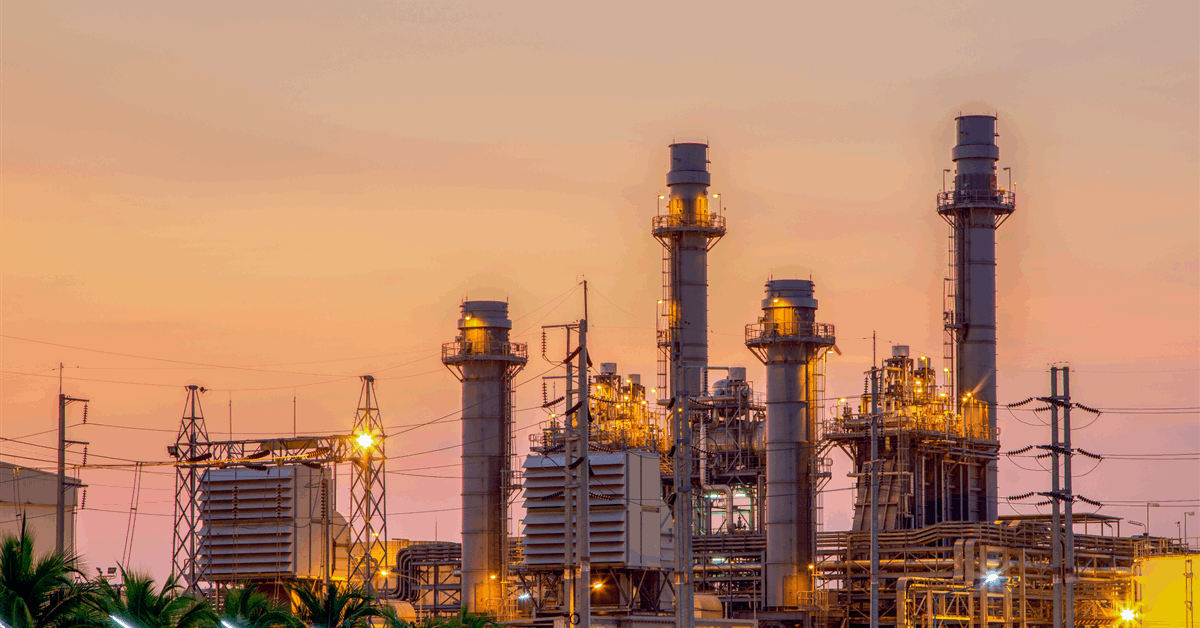
The Permian Basin, long the epicenter of U.S. oil production, is rapidly evolving into a critical hub for future energy infrastructure, driven by the surging demand for digital services. A significant new development underscores this shift: LandBridge Co LLC and NRG Energy Inc are collaborating to explore a potential 1,100-megawatt (MW) natural gas power generation facility in Reeves County, Texas, within the prolific Delaware Basin. This ambitious project, designed to support a major data center, signifies a strategic pivot for landholders and energy companies alike, leveraging the region’s abundant, low-cost natural gas resources to fuel the digital economy. For investors, this initiative highlights the growing intersection of traditional energy assets with next-generation infrastructure, presenting new avenues for long-term value creation in a dynamic market.
Delaware Basin: Fueling the Digital Frontier
LandBridge’s agreement with NRG Energy centers on a vast tract of its 277,000 acres in the Delaware Basin, a sub-region of the Permian that has become synonymous with prolific hydrocarbon output. The proposed 1,100 MW natural gas plant, pending a suitable power purchase agreement (PPA) with a data center client, is strategically positioned adjacent to the Waha Gas market hub. This location offers immediate, cost-effective access to existing natural gas supply and robust transmission infrastructure, making it an ideal site for large-scale power generation. NRG has already initiated the necessary permitting and interconnection applications, targeting an operational date by the end of 2029. This venture exemplifies LandBridge’s “powered land strategy,” transforming its surface acreage into a critical asset for blue-chip power generators and burgeoning digital infrastructure developers. The collaboration reflects a clear understanding that the Permian’s role is expanding beyond simply extracting hydrocarbons; it’s becoming a foundational energy provider for the data-intensive future, ensuring grid stability and economic resilience in West Texas.
Navigating Volatile Markets: Natural Gas as a Strategic Asset
While the long-term outlook for natural gas-fired power projects in the Permian remains robust, investors are currently navigating a more volatile crude oil market. As of today, Brent crude trades at $90.38 per barrel, marking a significant daily decline of 9.07%, with a range between $86.08 and $98.97. Similarly, WTI crude has fallen to $82.59 per barrel, down 9.41% within a daily range of $78.97 to $90.34. This sharp downturn contrasts with recent trends, where Brent saw a nearly 20% decline, dropping from $112.78 on March 30 to its current level. Gasoline prices have also felt the pressure, sitting at $2.93 per gallon, down 5.18% today. This broader market softening, fueled by various geopolitical and demand-side concerns, highlights the importance of diversified energy portfolios. For companies like NRG and LandBridge, focusing on natural gas for stable, baseload power to crucial industrial consumers like data centers offers a degree of insulation from the more speculative swings of the crude market. The reliability and cost-effectiveness of Permian natural gas provide a compelling value proposition, especially as the demand for consistent, high-capacity power escalates.
Investor Outlook: Strategic Positioning Amidst Key Market Events
Our proprietary reader intent data reveals a keen focus from investors on market direction and strategic positioning. Questions like “What do you predict the price of oil per barrel will be by end of 2026?” underscore the prevailing uncertainty and the search for long-term clarity. The LandBridge-NRG project offers a tangible example of how energy companies are adapting to these evolving demands, shifting focus from pure extraction to integrated energy solutions. The stability offered by natural gas in power generation for high-growth sectors like data centers is increasingly attractive, especially as a reliable complement to intermittent renewable sources. This strategic move directly addresses the need for energy security and economic resilience that investors are increasingly prioritizing.
Looking ahead, several upcoming energy events will shape the broader market landscape and indirectly influence the attractiveness of such ventures. This Sunday, April 19, marks a crucial OPEC+ Ministerial Meeting. Any decisions regarding production quotas could significantly impact crude oil prices, potentially adding further volatility or providing a floor. Investors will be closely watching for signals on supply discipline, which could, in turn, affect the broader sentiment towards all energy commodities. Furthermore, the EIA Weekly Petroleum Status Reports on April 22 and April 29, alongside the Baker Hughes Rig Counts on April 24 and May 1, will offer vital insights into U.S. supply, demand, and drilling activity. These reports are particularly relevant for natural gas, as they can indicate future production trends in key basins like the Permian. A sustained increase in natural gas supply, coupled with robust demand from industrial consumers, would further strengthen the investment thesis for projects like the 1,100 MW plant, reinforcing the Permian’s role as a reliable energy provider.
The Future of Permian Infrastructure and Diversification
The LandBridge-NRG collaboration is more than just a power plant; it represents a significant step in the diversification of the Permian Basin’s economy and infrastructure. By establishing a dedicated power source for a data center, the project taps into a rapidly growing sector with insatiable energy demands. This move not only creates a new revenue stream for LandBridge beyond traditional mineral rights and land leases but also positions the Permian as a critical enabler of the digital economy. The availability of low-cost, abundant natural gas, combined with existing transmission infrastructure, makes the region uniquely suited to attract such large-scale industrial consumers. This strategy aligns with the broader energy transition narrative, where natural gas serves as a crucial bridge fuel, ensuring grid stability and powering high-tech industries while the grid integrates more renewable energy. For investors, this project underscores the enduring value of strategic landholdings and infrastructure development in key energy basins, offering a pathway to capitalize on both traditional energy strengths and emerging industrial demands.


