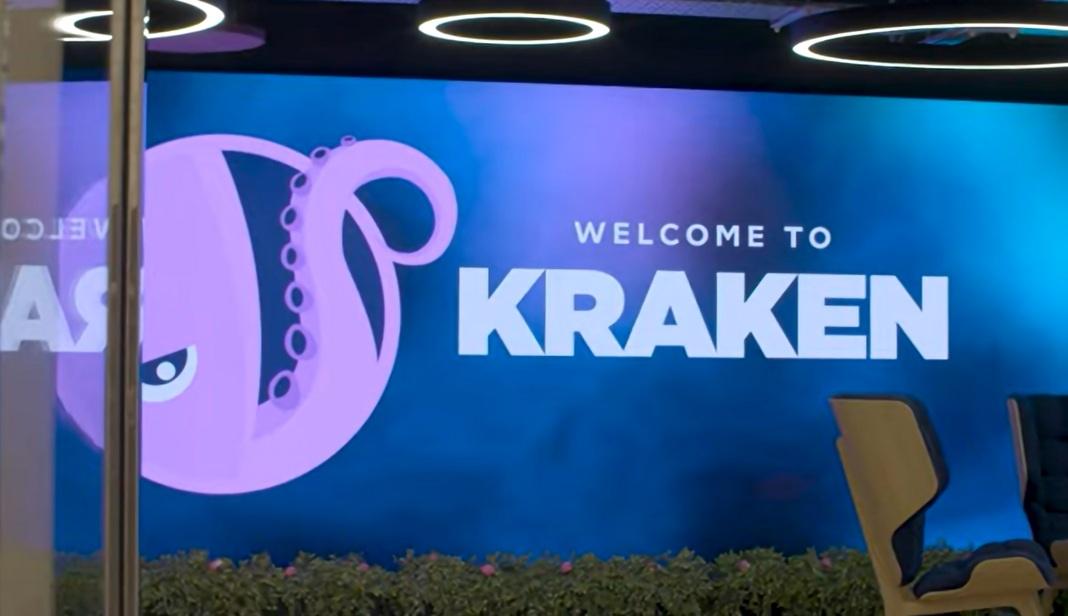
The energy landscape is undergoing a profound transformation, driven by technological innovation and shifting investment priorities. A recent landmark event underscores this trend: the spin-out and substantial $1 billion investment into Kraken, an AI-powered operating system for utilities, valuing the company at over $8.6 billion. This move, backed by prominent investors including D1 Capital Partners and Ontario Teachers’ Pension Plan Board, signals a powerful vote of confidence in the future of smart grid infrastructure. For oil and gas investors, understanding Kraken’s trajectory is crucial, as its disruptive potential could reshape global energy demand dynamics and utility operations, influencing long-term commodity price forecasts and strategic plays across the sector.
Kraken’s AI-Powered Grid: A New Paradigm for Energy Management
Kraken’s core offering is an AI-powered operating system designed to optimize energy utility operations globally. By managing networks, enhancing field efficiency, supporting customers, and facilitating new product development, Kraken aims to modernize the foundational infrastructure of energy delivery. Its Virtual Power Plant (VPP) technology, which orchestrates power from diverse sources like EVs, solar panels, home batteries, and heat pumps, has already surpassed 500,000 connected devices and 2 GW of power. This capability is not merely about integrating renewables; it’s about intelligent demand-side management, flattening peak electricity demand, and enabling energy consumption when it’s most abundant, cheapest, and greenest. The company’s growth trajectory is staggering, with contracted annual revenues quadrupling in just three years to over $500 million, and its platform now serving more than 70 million accounts worldwide. This scale and efficiency will inevitably have ripple effects on traditional energy generation, including gas-fired power plants, by reducing the reliance on conventional baseload capacity and improving overall grid stability.
Market Volatility vs. Tech Stability: Investor’s Dual Focus
While innovative energy technologies like Kraken attract significant capital, the traditional oil and gas markets continue to present their own set of challenges and opportunities. As of today, Brent Crude trades at $90.4, reflecting a slight dip, having seen a notable decline of nearly 20% from $118.35 just three weeks ago. WTI Crude similarly stands at $86.8. This short-term volatility and recent bearish trend underscore the geopolitical sensitivities and supply-demand imbalances that perpetually influence oil prices. Investors are keenly asking: “Is WTI going up or down?” and “What do you predict the price of oil per barrel will be by end of 2026?” These questions highlight the immediate concerns around market direction. However, the substantial investment in Kraken reveals a parallel, long-term investment thesis: that the fundamental structure of energy consumption and distribution is shifting. While oil and gas prices react to immediate events, the rise of AI-driven utility platforms suggests a future where demand management and efficiency will play an increasingly central role, potentially capping long-term demand growth for traditional fuels, even as global energy needs continue to expand.
Strategic Implications for Oil & Gas Majors and Utilities
The spin-out of Kraken as an independent, neutral technology platform for utilities worldwide, backed by $1 billion in growth capital, forces traditional oil and gas companies and incumbent utilities to re-evaluate their long-term strategies. For oil and gas majors with significant power generation assets or those looking to diversify into broader energy services, Kraken presents both a threat and an opportunity. Will they seek to develop similar in-house capabilities, partner with emerging tech giants, or acquire companies that can provide such sophisticated grid management solutions? The successful scaling of Kraken, now serving 70 million accounts, suggests that the competitive landscape for utility services is rapidly evolving beyond just supplying electrons or molecules. It’s about data, efficiency, and customer experience. This shift influences capital allocation decisions, pushing traditional players to invest more in digital transformation, grid modernization, and integrated energy solutions to remain competitive and relevant in an increasingly decentralized and intelligent energy ecosystem.
The Road Ahead: Upcoming Events and Future Grid Evolution
The coming weeks offer a blend of traditional market indicators and forward-looking insights for energy investors. We anticipate key events such as the OPEC+ JMMC Meeting on April 21st, which will provide clues on short-term crude supply policies. This will be followed by the EIA Weekly Petroleum Status Reports and Baker Hughes Rig Counts, offering granular data on U.S. inventory and production trends. However, these immediate market drivers exist within a broader context of accelerating energy transition. The EIA’s Short-Term Energy Outlook on May 2nd will offer updated forecasts, but even these will need to account for the systemic impact of technologies like Kraken. As Kraken, now an independent entity, focuses on deepening partnerships and accelerating global adoption, its influence on grid efficiency and renewable integration will only grow. For investors exploring the future of energy, understanding how these AI-powered platforms are reshaping the grid is paramount. It’s not just about where the next barrel of oil comes from, but how efficiently that energy, regardless of its source, is managed and delivered to meet evolving demand, a question increasingly answered by sophisticated, data-driven systems like Kraken.


