South Korea’s EV Surge: A Significant Headwind for Global Oil Demand
Savvy investors in the global energy markets must closely scrutinize the accelerating pace of electric vehicle (EV) infrastructure deployment, particularly across vital Asian economies. South Korea, a nation with significant crude oil import requirements and a pivotal refining presence, recently unveiled its most expansive fast-charging station. This strategic development, situated in Goyang, approximately 20 kilometers northwest of Seoul within the Gyeonggi Province, broadcasts a robust commitment to electrification. For oil and gas investors, this represents a tangible and growing threat to future petroleum demand across the region, signaling a structural shift that demands attention.
KINTEX Superhub: A New Benchmark for EV Infrastructure
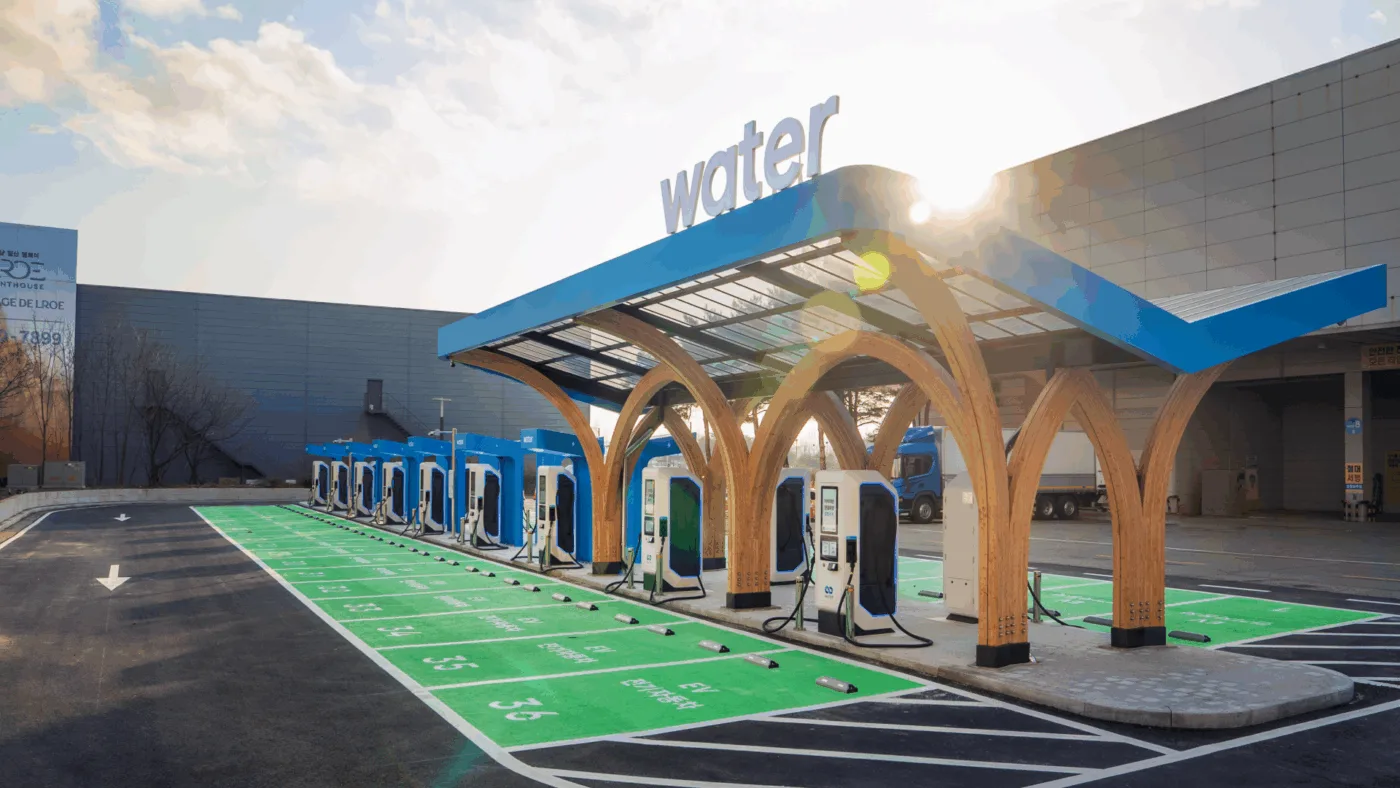
At the heart of this electrification drive lies the new superhub at the Korea International Exhibition Center (KINTEX), the nation’s premier convention venue. Operated by Water, the dedicated fast-charging network division of Brite Energy Partners, this impressive facility is engineered to power 46 electric vehicles simultaneously with high-speed charging capabilities. Its strategic placement is no accident; KINTEX attracts an estimated 5.8 million visitors annually, ensuring maximum exposure and convenience to a vast user base, thereby accelerating EV adoption rates.
Yoo Dae-won, CEO of Water, underscored the transformative impact of this hub, emphasizing its capacity to drastically reduce charging wait times. This initiative extends beyond merely serving private passenger cars; it also targets commercial vehicles, including electric buses. This dual focus is critical, as it directly aims to displace both gasoline consumption from personal transport and diesel consumption from commercial fleets, hitting at the core of petroleum demand in a comprehensive manner.
Cutting-Edge Charging Technology Drives Efficiency
The KINTEX superhub stands as a testament to advanced charging technology, meticulously designed to meet the rigorous demands of modern electric vehicles. The facility strategically allocates its charging resources across two outdoor parking zones at KINTEX Exhibition Center 2. Zone A features an impressive array of 14 units delivering 100 kW of power and four units providing a potent 200 kW. Complementing this, Zone B adds another five units of 100 kW chargers. Crucially, all these units are equipped with dual guns, a design choice that significantly maximizes throughput and operational efficiency, allowing more vehicles to charge sequentially or simultaneously.
These high-power chargers fundamentally redefine the EV user experience by dramatically shortening charging durations. Consider an EV equipped with a 77.4 kWh battery pack, typical of earlier models like the Hyundai Ioniq 5 or Kia EV6. A 100 kW charger can achieve a 10% to 80% state-of-charge (SoC) in approximately 40 minutes. However, the more powerful 200 kW units slash this time to a mere 20 minutes for the same charge level. This rapid turnaround capability is a game-changer, directly addressing and alleviating “range anxiety,” one of the primary psychological barriers to broader EV adoption. The competitive charging fee of 320 won per kilowatt-hour, translating to roughly 0.20 euros per kWh, further enhances the economic appeal of electric mobility over traditional fuel costs, making the shift even more compelling for consumers and businesses alike.
South Korea’s Ambitious National Electrification Blueprint
The Goyang superhub is not merely an isolated project; rather, it represents a foundational component of a far more extensive, city-wide electrification strategy. Goyang city has laid out ambitious plans to deploy a total of 112 dual-gun fast chargers across 52 strategic locations. This comprehensive network will comprise 62 units delivering 100 kW and 50 units providing 200 kW of power. Officials project that once fully operational, this robust infrastructure will cater to up to 4,000 electric vehicles daily. This considerable scale of targeted petroleum displacement underscores the serious long-term implications for investors holding positions in oil and gas, as a significant portion of daily fuel consumption will transition to electricity.
Further solidifying the national EV charging landscape, Brite Energy Partners is actively involved in expanding its footprint. The company intends to install 1,200 fast chargers across more than 250 locations throughout South Korea by the end of 2024. This aggressive deployment strategy aims to establish a ubiquitous and reliable charging network, a critical enabler for widespread EV adoption. This concerted national effort, driven by both municipal and private sector initiatives, illustrates a clear and irreversible trajectory towards electric mobility, posing a structural challenge to traditional oil demand forecasts.
Investment Implications for Oil and Gas Markets
For investors focused on the oil and gas sector, South Korea’s aggressive push into EV infrastructure represents a potent bearish catalyst for crude demand. As a major importer and refiner, any significant reduction in its domestic petroleum consumption will reverberate through global energy markets. The displacement of thousands of gasoline and diesel vehicles daily translates directly into reduced demand for refined products, impacting refinery utilization rates and crude purchasing volumes over time.
This trend is not unique to South Korea but serves as a powerful microcosm of broader shifts occurring across developed and rapidly developing economies. The emphasis on high-speed, convenient, and cost-effective charging directly targets the pain points of EV adoption, accelerating the transition away from internal combustion engines. Oil and gas investors must therefore integrate these accelerating electrification trends into their long-term models, recognizing that peak oil demand may arrive sooner and be more pronounced than previously anticipated in key regions. The structural headwinds emanating from markets like South Korea demand a recalibration of investment strategies, highlighting the increasing risk associated with a singular focus on fossil fuels in an era of rapid energy transition.