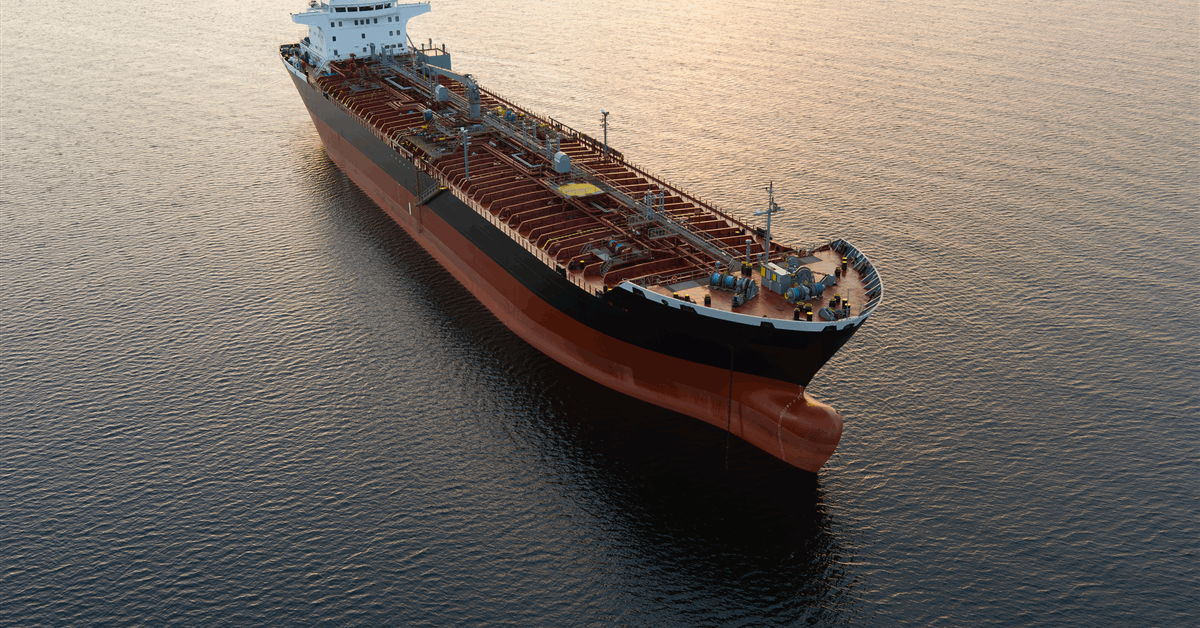
In a dynamic global energy landscape marked by persistent volatility, discerning investors are increasingly seeking robust operational performance and predictable cash flows. KNOT Offshore Partners LP has recently delivered on both fronts, reporting compelling financial results for the second quarter of 2025. With revenues reaching $87.1 million, operating income at $22.2 million, and net income of $6.8 million, the marine shipping and logistics company has demonstrated a significant uplift from the previous year. This impressive performance, anchored by near-full fleet utilization, signals strong underlying demand for its specialized shuttle tanker services and positions the company for continued upside in a tightening niche market.
Operational Excellence Driving Financial Rebound
KNOT Offshore Partners showcased exceptional operational efficiency in Q2 2025, a critical factor for asset-heavy maritime businesses. The company reported a remarkable 100 percent utilization rate for its fleet during scheduled operations. Even when accounting for necessary drydockings of vessels such as the Raquel Knutsen and the Windsor Knutsen, utilization remained robust at 96.8 percent. This high operational tempo directly translated into healthy financial metrics, building on Q1 2025 revenues of $84 million, operating income of $23.4 million, and net income of $7.6 million.
More significantly for investors, the Q2 2025 operating income of $22.2 million represents a substantial year-on-year increase of $20.9 million. This marks a powerful turnaround from the net loss of $12.9 million recorded in Q2 2024, underscoring effective management and a favorable market environment. This swing from loss to solid profitability highlights the company’s ability to maximize earnings from its fleet and secure advantageous charter agreements, a cornerstone of its strategy to generate stable cash flows.
Strategic Charter Coverage and a Tightening Shuttle Tanker Market
Looking ahead, KNOT’s management has provided a clear picture of future revenue stability, a key attraction for long-term investors. As of the date of their latest release, the company has successfully secured 100 percent charter coverage for the second half of 2025, even after accounting for scheduled drydockings. Furthermore, approximately 89 percent of charter coverage is already in place for 2026. This high degree of forward visibility significantly de-risks future earnings and provides a solid foundation for dividend sustainability, crucial for income-focused investors.
CEO and CFO Derek Lowe emphasized that the global market for shuttle tankers is experiencing substantial growth and tightening conditions. This positive momentum is primarily fueled by aggressive production start-ups in Brazil’s pre-salt fields and sustained activity in the North Sea, albeit with Brazil leading the charge. Lowe anticipates that the demand for these specialized vessels will outpace new vessel supply over the coming years. This imbalance is exacerbated by an aging global fleet and significant yard capacity constraints, which are expected to limit new orders until at least 2028. Even with newbuild orders, including seven for Knutsen NYK, these are projected to be readily absorbed by the expanding market, creating a favorable supply-demand dynamic for existing operators like KNOT Offshore Partners.
Navigating Crude Volatility and Investor Sentiment
The specialized nature of KNOT’s operations offers a degree of insulation from the broader crude oil price volatility that often dictates sentiment in the energy sector. As of today, Brent Crude trades at $90.38, reflecting a significant -9.07% decline from its open, while WTI Crude stands at $82.59, down -9.41%. This recent sharp downturn, part of a 14-day trend that saw Brent fall from $112.78 to $90.38 (a nearly 20% drop), underscores the unpredictable nature of global oil markets.
Our proprietary market data reveals that investors are keenly focused on these price movements, with frequent queries asking what the price of oil per barrel will be by the end of 2026 and seeking clarity on current OPEC+ production quotas. While these macro trends impact overall oil production, KNOT’s business model, built on long-term charters for specific offshore loading operations, provides a buffer against short-term price swings. Their revenue streams are more tied to the operational requirements of offshore fields in regions like Brazil and the North Sea, rather than the daily spot price of crude. This inherent stability makes KNOT an intriguing prospect for investors looking for exposure to the oil sector with reduced direct commodity price risk.
Upcoming Events and Strategic Market Positioning
The coming weeks hold several key events that will shape the broader energy market, indirectly influencing the operational landscape for companies like KNOT. The highly anticipated OPEC+ Ministerial Meeting on April 19th is a critical juncture, as any adjustments to production quotas could significantly impact global supply dynamics and the volume of crude requiring transportation. Subsequent weekly data releases, such as the API Weekly Crude Inventory (April 21st, April 28th) and the EIA Weekly Petroleum Status Report (April 22nd, April 29th), along with the Baker Hughes Rig Count (April 24th, May 1st), will provide further insights into demand and drilling activity.
While KNOT’s long-term charters offer a shield against immediate market fluctuations, the underlying health of the global oil and gas industry, particularly offshore production, remains vital. The anticipated increase in production from Brazil’s pre-salt fields, a core driver for shuttle tanker demand, provides a robust counter-narrative to potential short-term market anxieties stemming from these upcoming events. KNOT’s strategic focus on being a market leader and securing long-term contracts positions it to capitalize on sustained offshore development, regardless of the immediate headlines, ensuring consistent revenue generation and a steady return for its shareholders.


