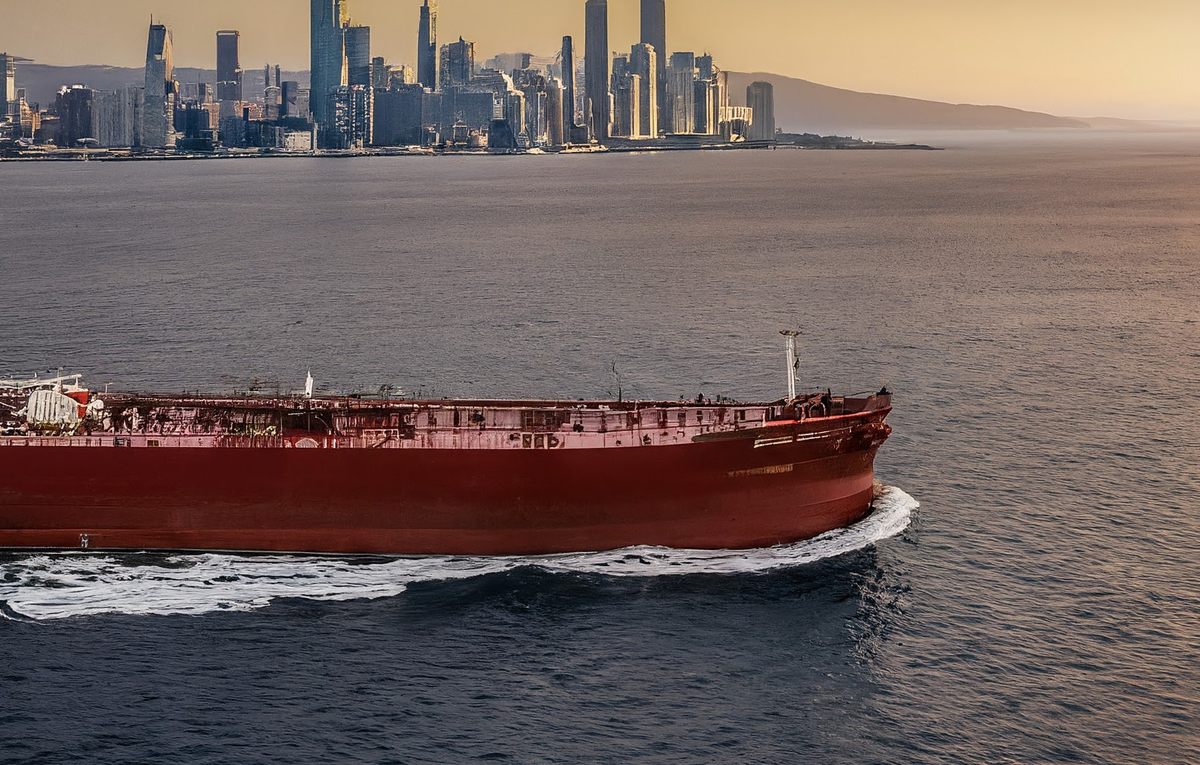
Kerala Marine Fuel Spill Adds New Dynamic to Asia’s Supply Landscape
The intricate supply chains supporting global maritime trade face a fresh point of scrutiny following reports of dangerous cargo, including significant quantities of marine fuels, having fallen into the Arabian Sea off India’s Kerala coast. This incident, confirmed by the Kerala State Disaster Management Authority (KSDMA) on Saturday, May 25, 2025, introduces a new layer of uncertainty for energy market participants monitoring fuel availability and pricing in a crucial shipping corridor.
Information initially relayed by the Coast Guard indicates that a vessel lost its hazardous consignment, encompassing both containers and specific oil products, into the waters proximate to the Kerala coastline. Sekhar Kuriakose, a key official with the KSDMA, communicated the gravity of the situation, cautioning the public against any contact with potential flotsam washing ashore. His advisory specifically highlighted the likelihood of containers and oil reaching coastal areas, urging immediate notification to law enforcement should such items be sighted. Furthermore, the possibility of oil slicks forming along the shore in certain regions has been acknowledged, underscoring the environmental and operational challenges at hand.
Understanding the Lost Cargo: MGO and VLSFO
Of particular interest to energy investors and shipping stakeholders is the confirmed nature of the lost cargo: Marine Gasoil (MGO) and Very Low Sulfur Fuel Oil (VLSFO). These are not merely generic oil products but critical bunker fuels that power a substantial portion of the global shipping fleet. VLSFO, in particular, gained prominence following the IMO 2020 regulations, which mandated a significant reduction in sulfur content for marine fuels. Its widespread adoption has reshaped the refining landscape and established specific supply and demand dynamics within the bunker market.
MGO, a distillate fuel, also plays a vital role, often used by vessels operating in Emission Control Areas (ECAs) or by smaller vessels. The loss of these specific fuel types, while perhaps not monumental in global terms, holds regional significance. The Arabian Sea is a bustling maritime artery, connecting the Middle East’s energy hubs to Asia, Europe, and beyond. Any disruption, however localized, in the availability or perceived risk associated with marine fuels in such a strategic area warrants close attention from those invested in global trade and energy markets.
Potential Market Repercussions and Supply Chain Sensitivity
While the exact volume of MGO and VLSFO lost has not been disclosed, the incident immediately raises questions about regional bunker fuel pricing and supply stability. Even minor disruptions in key shipping lanes can create ripple effects, potentially leading to short-term price volatility for marine fuels in ports along the Indian subcontinent and possibly extending to other Asian bunkering hubs. Shipping companies operating in the vicinity may face increased operational costs due if they need to divert or seek alternative fuel sources, impacting their bottom lines and potentially influencing freight rates.
The maritime industry operates on tight margins, and any unforeseen events that introduce delays, necessitate diversions, or increase fuel expenses are closely scrutinized. Investors with exposure to shipping companies, refiners supplying marine fuels, or commodity traders dealing in these specific products should monitor how this situation evolves. The incident underscores the inherent vulnerabilities in global supply chains, particularly those dependent on seamless maritime transport for essential energy commodities.
Environmental and Regulatory Scrutiny on the Horizon
Beyond immediate supply concerns, the environmental implications of the spill cannot be overlooked. Oil films appearing along the coast pose a threat to marine ecosystems and coastal communities. This aspect often triggers swift regulatory responses and could result in significant clean-up costs and liabilities for the responsible parties. For investors, this translates into potential financial penalties, insurance claims, and reputational risks for the shipping company involved.
Maritime incidents of this nature invariably lead to heightened scrutiny from international and national regulatory bodies concerning vessel safety, cargo handling procedures, and environmental protection protocols. Such events can influence future policy decisions, potentially tightening existing regulations or introducing new requirements for vessels transiting sensitive ecological zones. Energy and shipping firms with robust environmental governance frameworks and transparent operational practices are better positioned to navigate such challenges, mitigating potential investor concerns.
Investor Outlook: Monitoring a Developing Situation
The Kerala marine fuel spill, while a localized event, serves as a pertinent reminder of the complex interplay between geopolitics, environmental risks, and the delicate balance of global energy supply. For oil and gas investors, this developing situation necessitates vigilance. Key areas to monitor include:
- Updates on the extent of the spill and successful recovery efforts.
- Any discernible impact on bunker fuel prices and availability in regional Indian ports and beyond.
- Statements from maritime authorities regarding the cause of the cargo loss and potential preventative measures.
- Financial implications for the involved shipping entity, including insurance payouts and environmental remediation costs.
As global trade continues to rely heavily on maritime transport, the resilience of shipping lanes and the security of fuel supplies remain paramount. This incident, while hopefully contained swiftly, injects a new element of consideration into the broader energy market outlook, particularly for those analyzing the intricate dynamics of marine fuel supply and demand in the bustling Asian energy corridor.