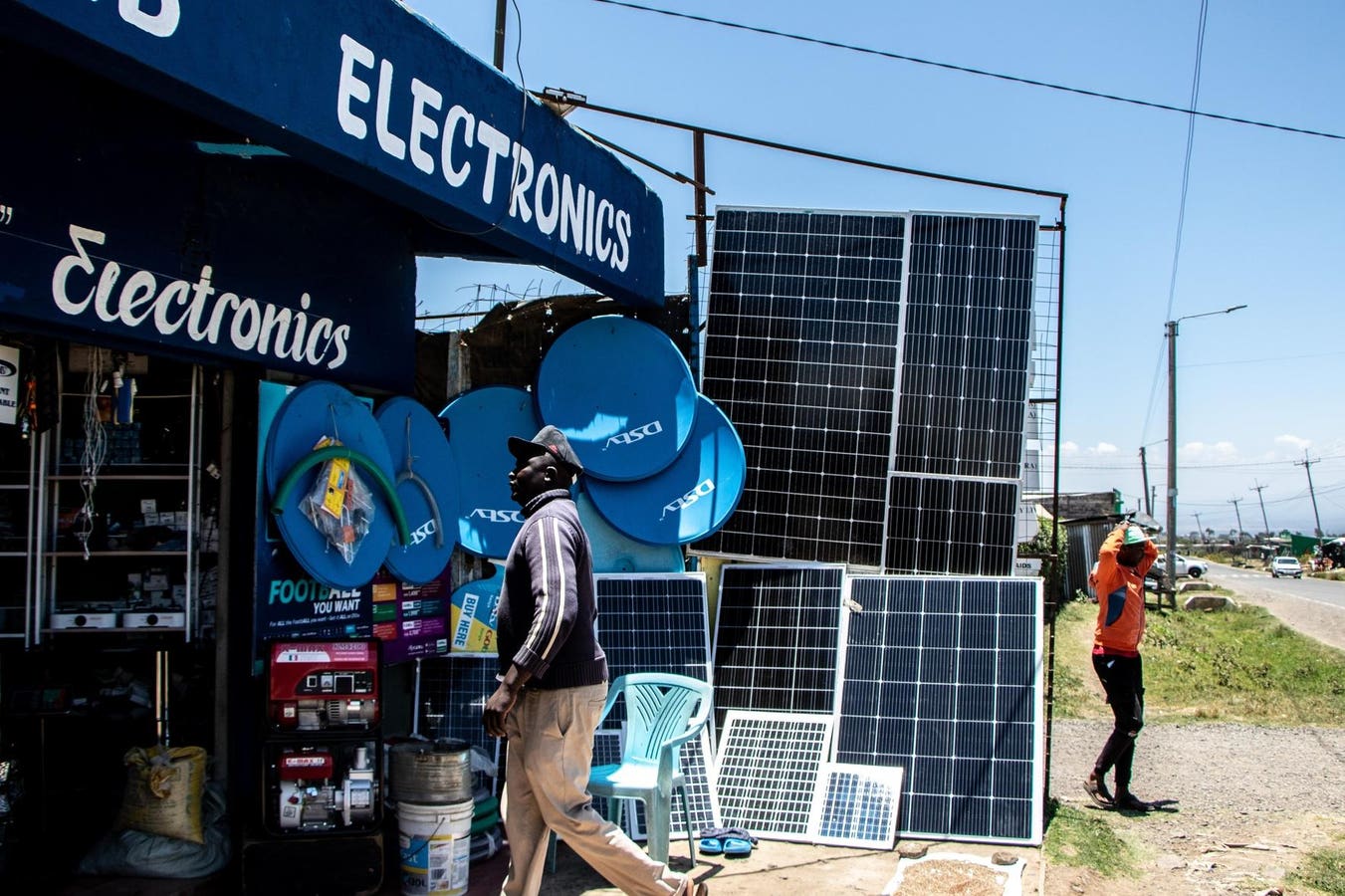
Kenya’s Electrification Boom: A Gateway for Energy Investors
Kenya stands at the forefront of a remarkable energy transformation, presenting a compelling narrative for investors seeking growth in dynamic African markets. Over the past decade, the nation has achieved an unprecedented expansion in electricity access, fundamentally reshaping its economic landscape and opening new avenues for energy sector engagement. This dramatic shift from widespread outages to reliable power underscores a powerful commitment to development and signals robust opportunities across the entire energy value chain.
Rapid Grid Expansion Fuels Economic Momentum
The statistics speak volumes about Kenya’s success story. In a mere ten years, the country more than doubled its electricity access rate, soaring from 37% in 2013 to an impressive 79% by 2023. This rapid acceleration, as detailed in recent energy policy reviews, signifies a monumental leap in infrastructure development and a profound improvement in the daily lives of millions. For investors, this rapid electrification translates directly into a burgeoning consumer base and a more productive industrial sector, both of which drive overall energy demand.
This progress extends significantly into previously underserved communities. Beginning in May 2014, a targeted, community-centric approach by the national utility provider successfully tripled the number of households connected in informal urban settlements within a single year. This strategic initiative has propelled urban access rates to nearly 100%, a stark contrast to 2010 when urban connectivity lagged behind rural areas due due to challenges in these unplanned zones. Such focused development demonstrates a government capable of executing large-scale infrastructure projects and addressing complex social equity issues, providing a stable environment for long-term investment.
Ambitious Goals and Future Investment Horizons
Kenya’s forward-looking energy strategy sets ambitious targets that promise continued growth and innovation. The government aims to achieve universal electricity access by 2030, a goal supported by ongoing grid expansion and off-grid solutions. Furthermore, it has committed to achieving 100% renewable electricity generation by 2035, a bold statement of climate leadership that positions Kenya as a key player in the global energy transition.
While the path to these goals presents its challenges—the “next push” often proves the most demanding—it simultaneously creates significant opportunities for capital deployment. Investors in renewable energy projects, grid modernization, energy storage solutions, and smart grid technologies will find a receptive market and clear policy direction. However, the economic growth spurred by electrification also has broader implications for conventional energy sources. A more industrialized Kenya will require increased fuel for transportation, industrial processes, and backup power, potentially boosting demand for refined petroleum products and natural gas, even as the electricity grid decarbonizes.
The Multiplier Effect: Beyond Electricity
The expansion of electricity access is not merely an end in itself; it acts as a powerful catalyst for broader economic development. With reliable power, businesses can operate more efficiently, manufacturing sectors can expand, and services can flourish. This economic vibrancy invariably leads to increased demand across the entire energy spectrum. As per capita income rises and urbanization continues, the need for transportation fuels, industrial feedstocks, and even residential heating and cooking solutions will grow. This creates a multi-faceted investment landscape where traditional oil and gas players can identify opportunities in logistics, distribution, and specialized industrial energy supply, complementing the renewable energy surge.
Consider the growth in commercial and industrial activity that accompanies widespread electrification. Factories, processing plants, and commercial centers often require significant process heat, which can be supplied by natural gas or fuel oil. Increased trade and consumer spending necessitate more robust transportation networks, directly impacting demand for gasoline and diesel. Therefore, while Kenya charts a course for green electricity, the underlying economic expansion driven by this electrification inherently expands the overall energy market, presenting nuanced opportunities for diversified energy portfolios.
Kenya’s Leadership in the African Energy Narrative
Kenya’s achievements resonate deeply within the broader context of global energy objectives, particularly Sustainable Development Goal 7, which targets universal energy access and a doubling of energy efficiency improvements by 2030. While global progress remains uneven, with significant disparities in clean cooking access—only 73% of people globally had access in 2022, with sub-Saharan Africa being one of the most deprived regions—Kenya stands out as a beacon of progress.
Sub-Saharan Africa, despite its challenges, is experiencing dynamic shifts in its energy mix. Between 1990 and 2021, the share of renewable energy in the region’s total energy mix surged by an impressive 69%, more than double the rate of any other global region. Kenya’s success in leveraging its abundant geothermal, solar, and wind resources positions it as a leader in this regional energy transition. This leadership provides a compelling case for investors looking to participate in high-growth, impactful markets. The nation’s ability to rapidly scale infrastructure and attract investment in green technologies offers a blueprint for sustainable development across the continent.
Seizing the Kenyan Energy Opportunity
For discerning investors, Kenya represents a prime example of an emerging market with strong fundamentals and clear growth trajectories in the energy sector. The country’s rapid electrification, ambitious renewable energy targets, and robust economic development create a fertile ground for diverse energy investments. From large-scale renewable projects and grid infrastructure upgrades to the downstream opportunities in refined products and industrial energy solutions driven by an expanding economy, Kenya offers a compelling risk-reward profile. As the nation continues its journey towards universal access and a fully renewable electricity grid, it solidifies its position as a critical player in Africa’s energy future, deserving of close attention from global capital markets.