Investors in the global energy market are closely monitoring developments out of Kazakhstan, a crucial supplier of crude oil, as projections indicate a notable reduction in its May oil exports. Daily shipments of CPC Blend crude originating from Russia’s Black Sea port of Novorossiysk are anticipated to fall to approximately 1.5 million barrels per day (bpd) next month, a decrease from the 1.6 million bpd observed in April. This impending dip, confirmed by industry sources, signals renewed volatility for a key export route already navigating a complex web of operational disruptions and geopolitical tensions. For market participants, understanding the underlying causes and potential long-term implications of this reduced flow is paramount to assessing global supply stability and price dynamics.
The Caspian Pipeline’s Persistent Operational Hurdles
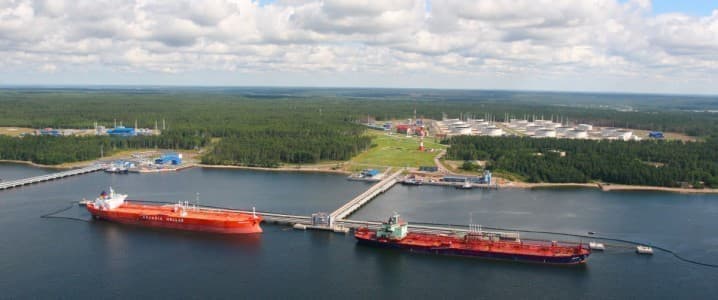
At the heart of Kazakhstan’s export challenges lies the Caspian Pipeline Consortium (CPC) pipeline, the primary conduit for the nation’s crude oil to international markets. This critical infrastructure has endured a series of operational setbacks in recent months, largely driven by the prevailing geopolitical landscape. A significant blow to capacity occurred earlier this year when Russian authorities mandated the closure of two out of three single point moorings (SPM-1 and SPM-2) at the Novorossiysk terminal. This action, following safety inspections linked to a December oil spill in the Kerch Strait, effectively capped CPC Blend exports at 1 million bpd as of April 1st, temporarily removing approximately 700,000 bpd from the market. While a subsequent Russian court ruling partially alleviated these stringent restrictions, allowing operations to resume at two moorings, the third remains offline, ensuring that the pipeline operates under constrained capacity. This ongoing limitation directly contributes to the projected export reductions, prompting close scrutiny from those invested in global crude supply.
Geopolitical Undercurrents and Infrastructure Vulnerabilities
The operational struggles of the CPC pipeline are inextricably linked to broader geopolitical dynamics. The Russian government holds a significant 24% stake in the consortium, alongside major Western oil companies Chevron and ExxonMobil, which are minority shareholders. This ownership structure places the pipeline at the intersection of international energy interests and regional political volatility. Moscow has attributed some of the infrastructure’s recent issues to external threats, specifically citing alleged Ukrainian drone attacks on facilities such as the Kropotkinskaya pumping station and a nearby oil depot. Such claims underscore the elevated risk profile associated with energy infrastructure in the Black Sea region, introducing an unpredictable element for global crude supply. Investors must consider how these external factors can rapidly transform operational forecasts, influencing market sentiment and crude benchmarks.
Kazakhstan’s OPEC+ Compliance Conundrum
Adding another layer of complexity for Kazakhstan and its market observers is the nation’s struggle to adhere to its production quotas set by the OPEC+ alliance. Despite commitments to manage supply, Kazakhstan’s crude output has frequently exceeded its agreed-upon limits. A primary driver for this overproduction has been the robust output from the Tengiz oilfield, a massive project led by Chevron. While increased production from a major field might typically be viewed positively, in the context of OPEC+ agreements and the current export constraints, it creates a challenging dynamic. The inability to consistently meet quota obligations, combined with export bottlenecks, highlights the delicate balancing act Astana faces between maximizing resource extraction and fulfilling international commitments. This situation can create market uncertainty regarding the true availability of Kazakh crude, impacting global supply-demand models.
Strategic Diversification: Astana’s Long-Term Vision
In a proactive move to mitigate its reliance on a single export route and diversify its energy partnerships, Kazakhstan has recently forged significant new alliances. The nation finalized agreements totaling over $5 billion with the United Arab Emirates, signaling a strategic pivot towards broader economic and energy collaboration. These multifaceted agreements encompass a range of sectors, including green energy initiatives, critical infrastructure development, and digital transformation projects. For investors, these partnerships represent Kazakhstan’s long-term vision to enhance its energy security, attract foreign direct investment, and modernize its economy beyond traditional oil and gas exports. This strategic diversification effort could strengthen the nation’s resilience against future geopolitical or operational disruptions, making it a more stable long-term energy partner, even as short-term export challenges persist.
Investor Outlook: Navigating Short-Term Volatility and Long-Term Shifts
The confluence of reduced export capacity via the CPC pipeline, persistent geopolitical risks, and Kazakhstan’s ongoing efforts to balance OPEC+ commitments with domestic production targets presents a nuanced picture for energy market participants. The projected 100,000 bpd drop in May exports, following previous, more drastic reductions, underscores the fragility of supply chains emanating from the region. While the immediate impact might be moderate, the cumulative effect of recurring disruptions could tighten global crude markets and introduce a risk premium. Savvy investors will closely monitor the operational stability of the CPC, developments in the broader Black Sea region, and the effectiveness of Kazakhstan’s strategic diversification initiatives. These factors will collectively shape the future investment landscape for one of the world’s most significant non-OPEC oil producers, demanding a dynamic and informed approach to portfolio management.